Aaron Sand lists himself as Artist, Singer, Songwriter, Recording Artist, Actor, Model,…
By Fashion Discovery · 2026-11-23
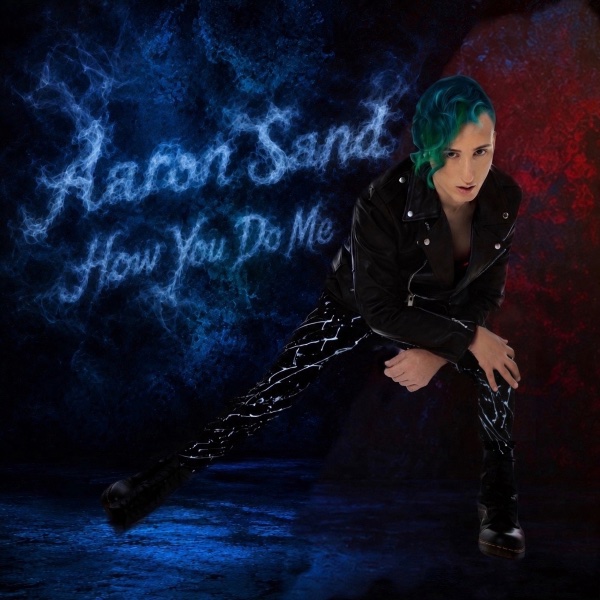
The Creative Polymath in Contemporary Culture
What does it mean to build a career across multiple creative disciplines? The figure who identifies simultaneously as artist, musician, actor, model, dancer, and entrepreneur represents a particular vision of contemporary creative work: one that rejects the specialized, siloed career path in favor of a more expansive, integrated practice. This educational exploration examines the historical and cultural context for why some creators pursue this multidisciplinary approach, how it functions as both artistic philosophy and professional strategy, and what it reveals about contemporary creative culture.
The Historical Precedent for Polymathy
The idea of the creative polymath is not new. Renaissance thinkers like Leonardo da Vinci understood the interconnection between disciplines such as art, anatomy, music, and engineering. What shifted in the twentieth century was industrialization and specialization, which encouraged artists to narrow their focus into discrete fields. A musician was a musician. An actor was an actor. This compartmentalization became the dominant professional model. Yet throughout art history, certain creators have resisted this logic. David Bowie famously moved between visual art, performance, acting, and music. Prince recorded, acted, designed, and refused to be contained by any single category. These precedents suggest that multidisciplinary practice is not a modern anomaly but rather a return to an older, more holistic understanding of creative work.
The Aesthetic Coherence Across Forms
When a creator works across multiple disciplines, the unifying force is often not the medium but rather a consistent aesthetic vision or point of view. A choreographer who also composes music and acts in film is not necessarily scattered; rather, they may be exploring a singular set of preoccupations through different formal languages. The body, gesture, rhythm, and narrative might remain central concerns whether the creator is on stage, in a recording studio, or on film. This approach treats different creative disciplines as dialects within a larger artistic language rather than as separate professional endeavors. Understanding this framework helps explain why some creators feel compelled to work across seemingly unrelated fields.
The Commercial and Cultural Shift
The digital era and social media have fundamentally altered the economics and visibility of creative work. A creator can now build an audience across multiple platforms simultaneously, sharing visual art, music, dance, and performance in rapid succession. The barrier to entry for creating and distributing work has lowered significantly. This democratization has enabled creators to present themselves more fluidly and to cultivate followings based on a broader aesthetic sensibility rather than a single product or discipline. Platforms designed for portfolio building and direct audience connection have made the multidisciplinary identit