Brain-Computer Interfaces
By zalmy touger · 2026-10-19
1. Where we are today
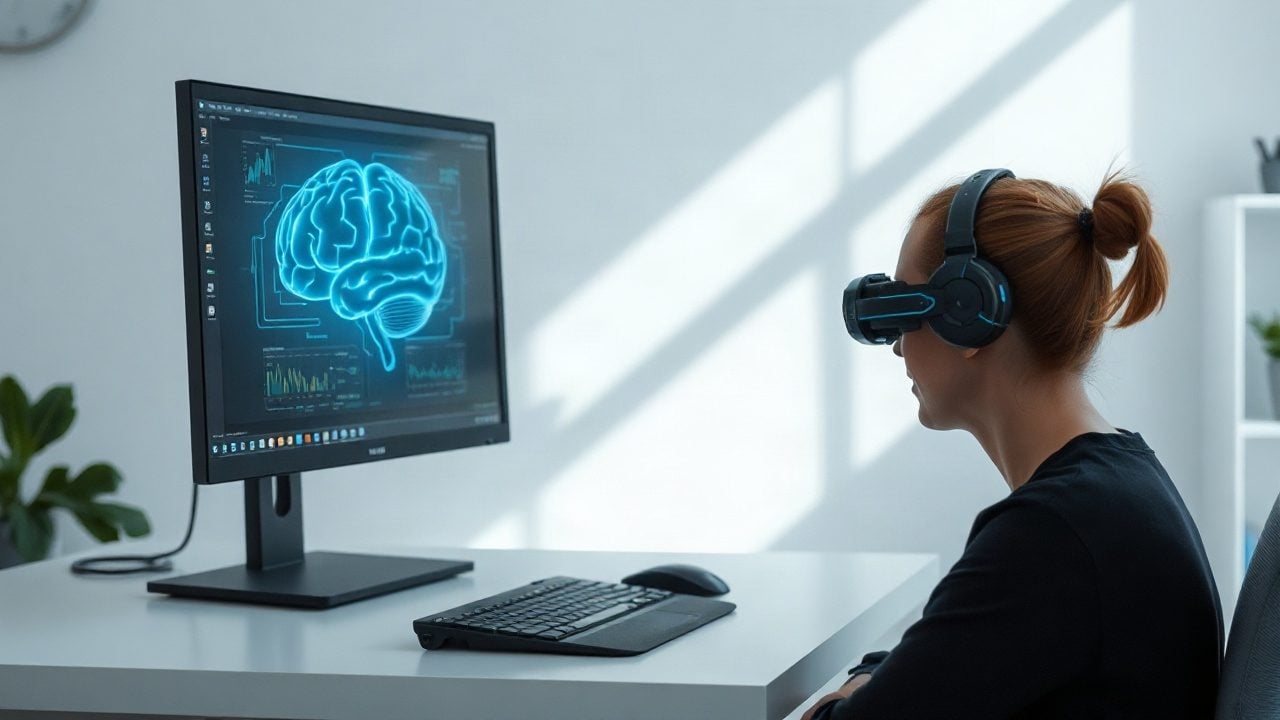
A brain-computer interface (BCI) is a device that creates a direct communication pathway between the brain and outside technology. Ideally BCI devices can either analyze neural signals ("read"), stimulate brain activity ("write"), or even do both. They also cover a wide range of types of hardware, from highly invasive devices surgically placed in the brain to fully external wearables meant for mass consumer use.
All these technologies do different types of jobs, some record activity, some stimulate neural circuits, and some do both. Measuring brain activity also doesn't automatically mean a device can turn it into useful commands.
(Being still a young field, there is constantly updating news with new hardware approaches coming out of university and industry labs worldwide.)
2. What does an interface actually do?
The first step is deciding what to capture, how to capture it, and how to interpret it. If we want to help someone communicate through attempted speech, it means finding the relevant neural activity and brain regions.
The brain is made up of individual neurons, which are living cells surrounded by something called a membrane. There are different concentrations of electrically charged particles, called ions, that are inside and outside each neuron, sodium is more concentrated outside and potassium more concentrated inside. This stores energy which is kinda like water behind a dam.
When a channel in the membrane opens, ions move across it, down their gradient changing the voltage across the membrane. When the voltage rises enough to reach a certain threshold (usually around −55 mV, up from a resting level around −70 mV), it can trigger what is called a spike, or action potential.
At that point, voltage-gated sodium channels open in a rush and the voltage shoots up, until the sodium channels shut off and potassium channels open, pushing it back down. Spikes are all-or-nothing, so information is carried by the timing and rate of spikes rather than their size.
So when we say "reading the brain through a BCI device" this is the electrical signals that they are actually picking up. The key point that you should keep in mind is the device does not receive or read a finished sentence or a thought. Rather what it's doing is attempting to read the changes in certain electrical signals and map those to specific intents, and then the recorded signals need to be converted into digital data and processed.
Which then depending on the system, this can include filtering, reducing interference, and extracting useful measurements called features.
All this goes through several steps, Recording → Processing → Decoding → Output → Feedback.