Chani Katzman works at the intersection of digital creation, fashion, and finance
By Fashion Discovery · 2026-10-17
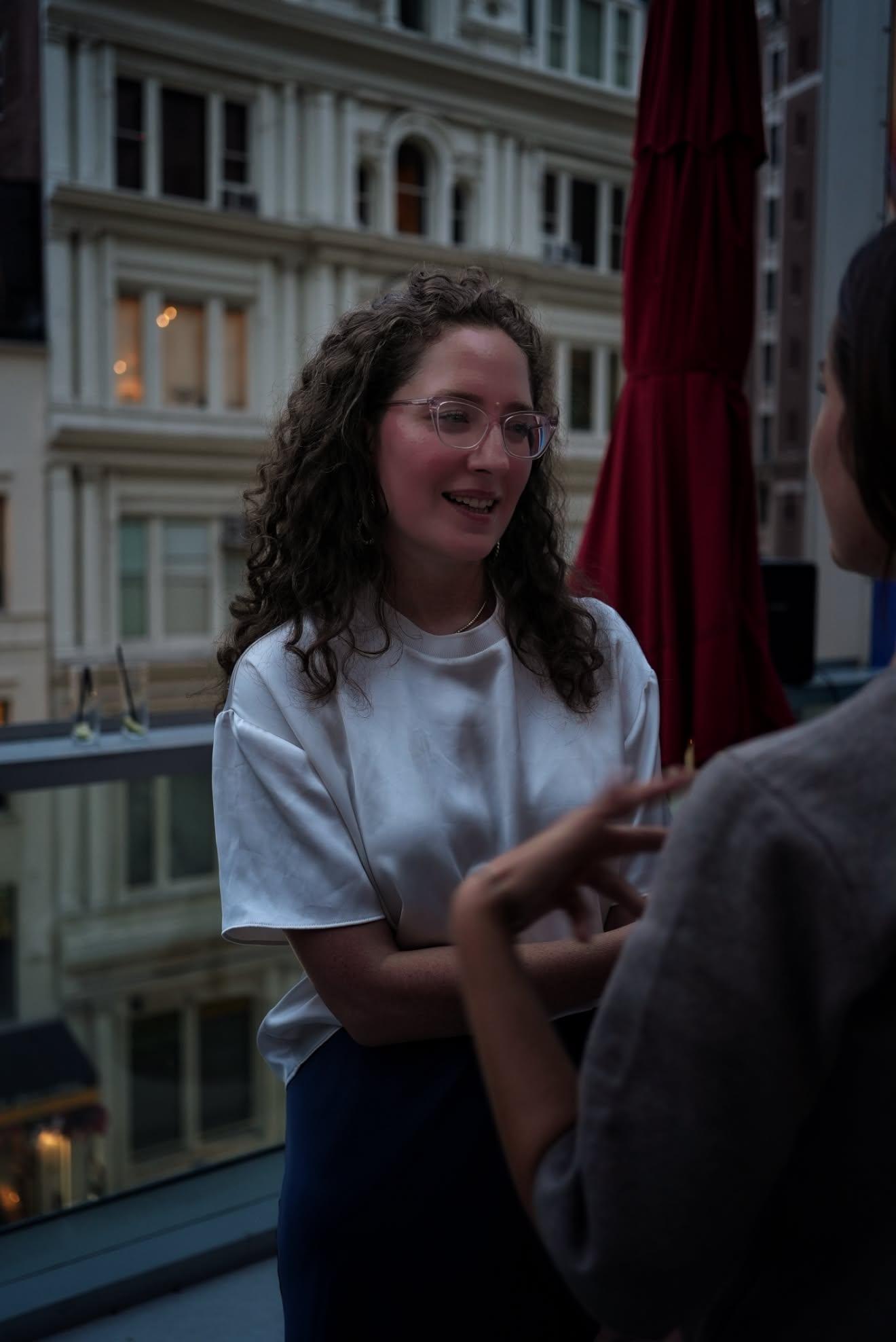
The intersection of digital creation, fashion, and finance represents one of the most dynamic—and least understood—territories in contemporary media. Understanding how these three domains connect reveals something essential about how culture, commerce, and technology are reshaping each other in real time.
What Is Digital Creation in Fashion
Digital creation refers to the practice of designing, producing, and distributing visual and experiential content through screens and online platforms, rather than through traditional print or physical-first channels. In fashion, this means designers and creators working directly with digital tools, from design software to social platforms to livestream environments. The work exists natively online, which fundamentally changes how a creator relates to their audience, how they monetize their output, and what kinds of creative choices make sense.
This differs from traditional fashion journalism or e-commerce photography, which treats digital as a secondary distribution channel for work conceived in physical space. Digital-native fashion creation treats the screen as the primary canvas. That distinction matters because it changes everything about pacing, format, audience relationship, and revenue structure.
The Creator Economy and Fashion
The rise of creator platforms has democratized fashion communication. Historically, a small gatekeeping structure—magazine editors, photographers, luxury brand publicists, retail buyers—decided what fashion narratives reached public attention. Digital platforms shifted that power distribution, enabling individual creators to build audiences directly and stake claims as legitimate voices within fashion discourse.
Creators who work across fashion can now document their perspective, build community, and generate income without securing a magazine contract or retail partnership first. This has produced a more granular, diversified fashion landscape where micro-communities, niche aesthetics, and regional voices can thrive. The creator economy also created new professional roles: the content creator, the influencer, the digital fashion commentator, the online community builder.
How Finance Enters the Picture
Finance and fashion have always been entangled, but the relationship has traditionally been one-directional: brands spent money on marketing to sell products. The creator economy inverted this partly. Now creators generate revenue directly through platform monetization, sponsorships, affiliate relationships, and by building their own direct-to-audience businesses.
Additionally, as fashion content became financially valuable—as audiences could be measured and monetized—the business of creating fashion content became worthy of analysis itself. How creators price their work, how they negotiate sponsorship terms, how they structure their income across multiple platforms, and how they build sustainable creative careers all became legitimate questions. Some creators openly d