David Acala lists himself across music, film, fashion direction, event planning, life…
By Fashion Discovery · 2026-10-31
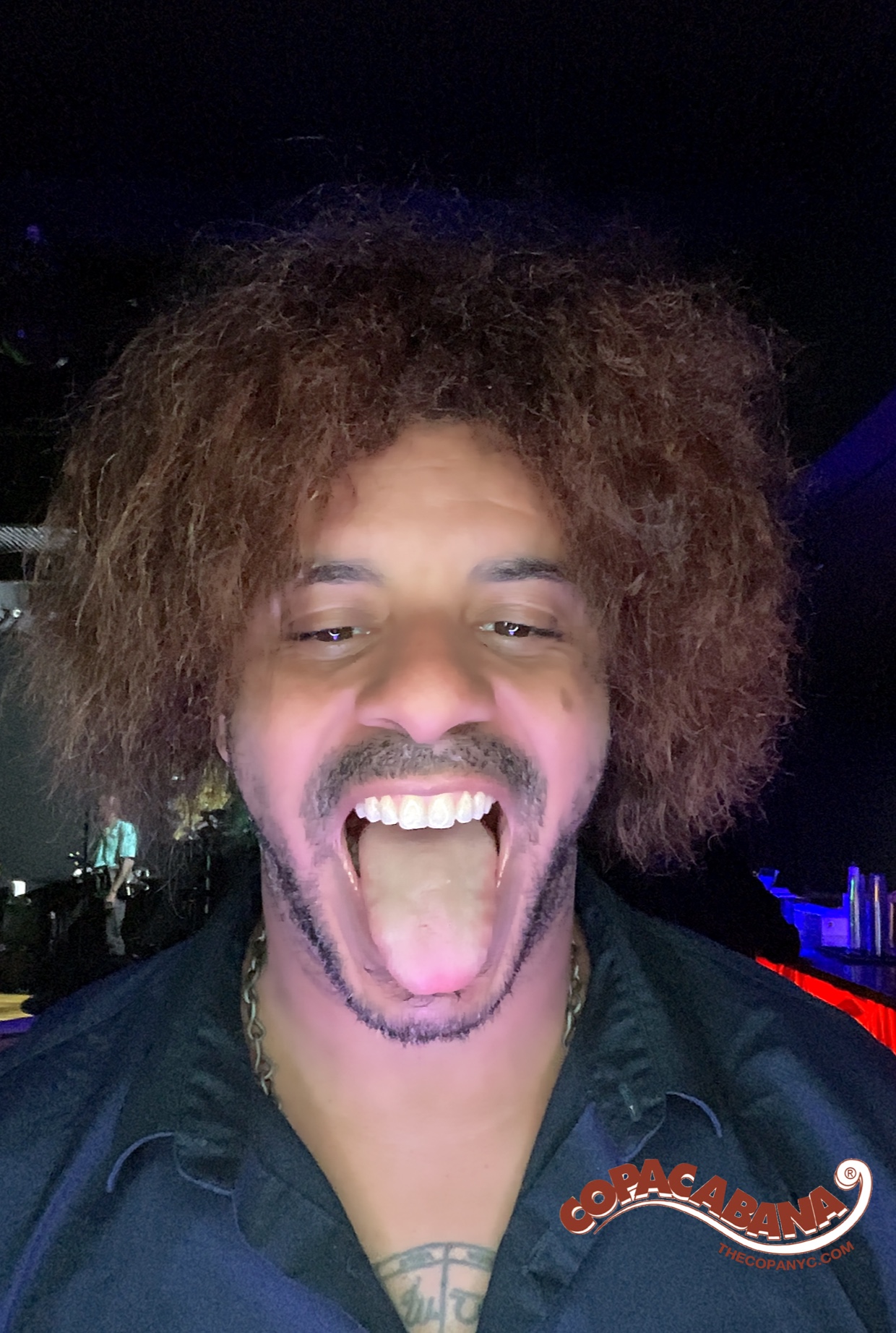
The figure who works across music, film, fashion direction, event planning, and community engagement represents a pattern increasingly visible in creative culture: the polymath operator who refuses to stay in a single lane. Understanding how these disciplines intersect, and why someone might move fluidly between them, requires looking at how creative work itself has shifted.
The rise of the multidisciplinary creator
The idea of an artist working in only one medium is relatively recent. For most of human history, the most celebrated creative figures moved across forms: architects designed entire environments including the objects inside them; musicians composed for specific social occasions and designed the spaces where performances happened. It was the industrial era and the rise of specialized professions that created hard lines between disciplines. Today, those lines are becoming permeable again, especially among people who came of age as digital platforms made it possible to reach audiences across any medium simultaneously.
Fashion direction as creative authorship
Fashion direction differs fundamentally from fashion design or styling. A fashion director shapes the visual language across a brand, campaign, film, or event. They are orchestrating how clothing, movement, color, and body relate to each other and to a larger narrative or idea. This role requires understanding fabric and construction, but more importantly, it demands a point of view about culture, identity, and communication. Fashion direction often sits at the intersection of many disciplines because it's inherently collaborative: it touches photography, music, set design, casting, and narrative all at once.
Community work and cultural knowledge
When a creative professional lists community engagement alongside their commercial work, they are often indicating something about their creative research and values. Community work grounds abstract creative thinking in real human context. It provides the kind of cultural knowledge and relationship that cannot be obtained through theory alone. Many serious creative operators understand that their work reflects and affects actual communities, and that doing that work carefully requires direct involvement, listening, and reciprocal relationship.
Event production as creative laboratory
Event planning sits between performance, visual design, spatial thinking, and logistics. When a creative person takes on event production, they are typically thinking about how to create an experience that moves through time and space, how to direct attention and emotion through an environment, how to make something live and temporary that still communicates clearly. Events are environments where all the other disciplines converge and must function together simultaneously.
The interconnected practice
These fields are not separate for practitioners who think about them as expressions of the same underlying creative language: how to communicate ideas, val