Gibbi makes memes and humor content as an independent creator on YESODI
By Fashion Discovery · 2026-10-05
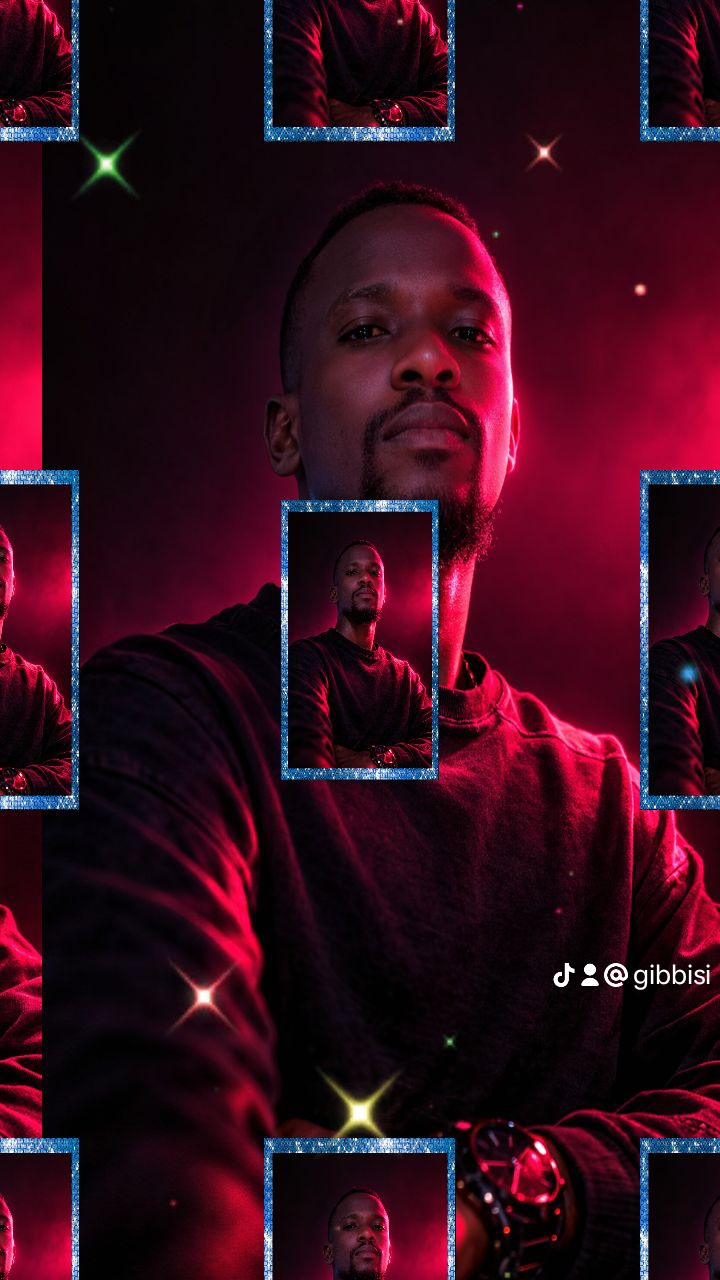
The intersection of fashion direction and humor as a creative practice has roots in the broader history of image-making and commentary. Fashion has always contained an element of performance and play, but the formalization of "fashion direction" as a discipline emerged primarily through cinema, editorial work, and advertising in the twentieth century. Fashion directors traditionally function as visual strategists who shape how clothing, accessories, and overall aesthetic communicate meaning within a larger narrative or brand context. What distinguishes contemporary fashion direction is how it operates across distributed digital platforms where individual creators can build authority and audience without institutional gatekeeping, and increasingly, where the tools of commentary and satire shape how fashion itself gets discussed and understood.
The practice of using humor and memes as a language within fashion culture represents a genuine shift in how visual literacy functions. Memes operate through pattern recognition and cultural shorthand, allowing creators to compress complex ideas about aesthetics, trends, or social behavior into shareable moments. When a fashion-focused creator uses humor as their primary medium, they are not simply making jokes about clothing. They are functioning as cultural interpreters, identifying the absurdities, contradictions, and unspoken rules embedded in how people present themselves and consume style. This role carries intellectual weight because it requires acute observation and the ability to communicate insights in ways that feel immediate and accessible rather than academic or distant.
The video format itself has become a natural home for this kind of creative work. Short-form video allows creators to layer meaning through editing, sound design, pacing, and visual juxtaposition in ways that written commentary cannot match. Fashion exists as a visual and embodied practice, so a creator working in video format can show rather than tell, can demonstrate the gap between intention and perception, or can highlight the performative nature of style choices. This medium has democratized who gets to speak authoritatively about fashion and how that authority gets established. A creator with a distinct point of view and the ability to communicate visually can develop an engaged audience regardless of institutional credentials or traditional fashion industry connections.
Independent creation on digital platforms has reshaped the economics and social dynamics of fashion commentary. Traditional fashion gatekeepers like magazines, fashion houses, and established critics no longer hold monopolies on whose voice matters or what conversation shapes the culture. An independent creator building an audience through authentic perspective and consistent quality can influence how people think about style, trends, and the often contradictory signals that fashion sends. This structural change means that fashion direction it