How Aircraft Detect Wind Shear?
By Aviation Explained · 2026-11-13
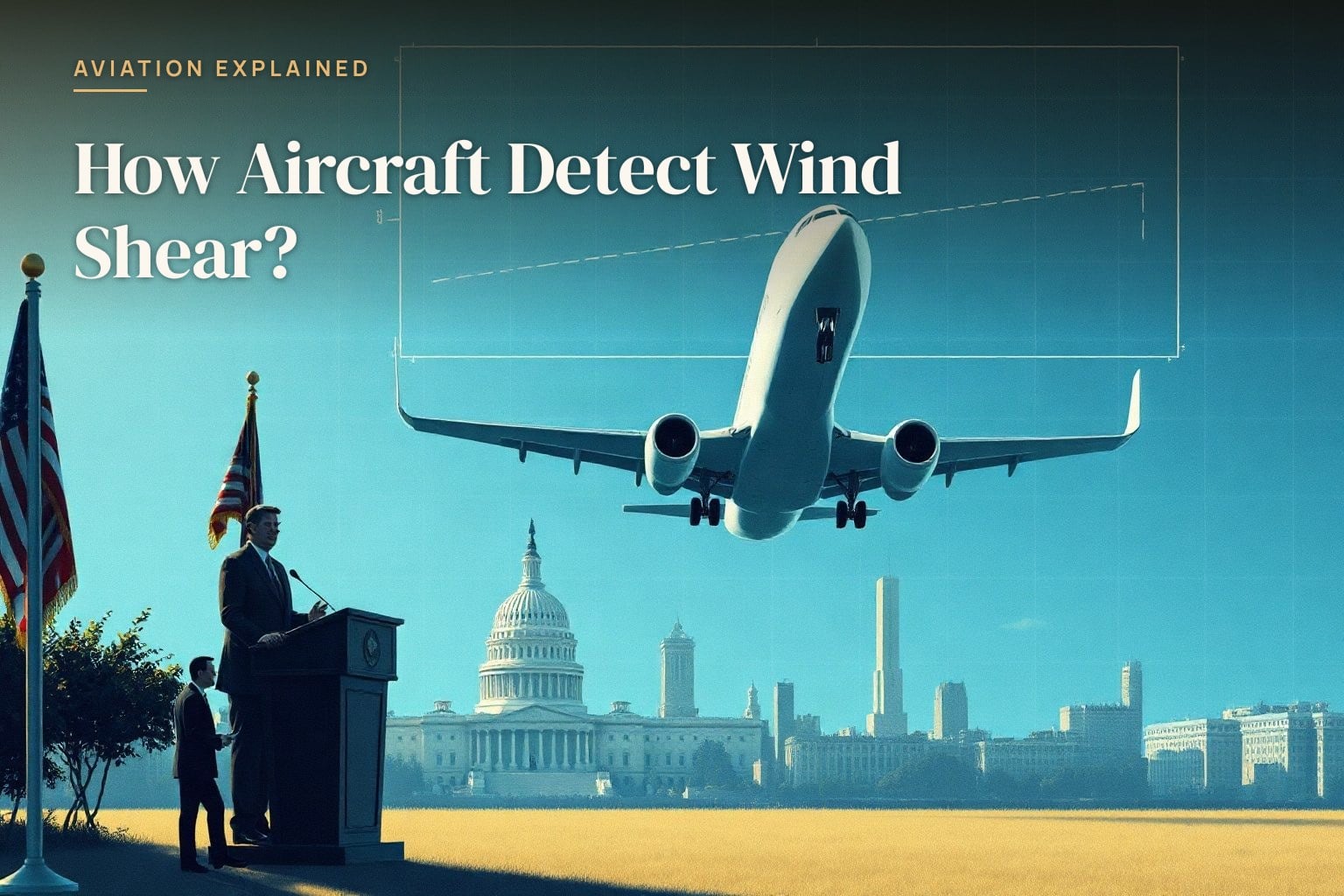
Wind shear is when the wind speed or direction changes sharply over a short distance. Imagine driving on a highway and suddenly the road tilts sideways. That is what wind shear does to an aircraft trying to land or take off. A plane can lose airspeed in seconds, sink toward the ground, and crash before the pilot has time to react. It is one of the few phenomena that can defeat a skilled pilot in a good airplane. So modern aircraft carry a radar system that detects it before it happens.
How wind shear forms
Wind shear lives in the lower atmosphere, below about 2000 feet. It forms when different layers of air move at different speeds or in different directions. A strong jet stream high up does not cause the problem, but when that fast air meets slower air near the ground, you get a shear layer. Thunderstorms create vicious shear. So do mountains, valleys, and the friction between warm and cool air masses. The danger is that an aircraft needs a certain airspeed to stay flying. If the wind underneath pushes it backward, the airplane slows down relative to the air. That loss of lift happens fast.
Weather radar sees shear
Aircraft do not have a separate wind shear radar. They use the same weather radar that detects rain and hail. The radar sends radio waves downward and sideways, looking for rain. But rain does not tell the whole story. Wind shear often exists without any rain at all. So engineers developed algorithms that look at the radar return from light rain, drizzle, and dust. The radar calculates how fast that moisture is moving toward or away from the aircraft. By comparing the motion at different altitudes, the system can infer the wind structure and compute where shear is hiding.
What the radar displays
The flight deck typically shows wind shear alerts on the primary flight display or a dedicated alert screen. If the system detects strong shear below the aircraft, it displays a color coded picture. Red zones mean danger. Magenta zones mean caution. A text alert appears on screen and in the cockpit speaker. The alert tells the pilot how many knots per second the wind is changing. A pilot approaching to land hears "wind shear go around" if the radar sees hazardous conditions. That command means reject the landing, pour on the power, and climb away to safety.
The limits of the system
Wind shear detection radar is not perfect. It cannot see wind shear that exists in clear air with no moisture to scatter the radar waves. A phenomenon called microburst, a sudden downward blast from a collapsing thunderstorm, can create violent shear with little or no radar signature. Pilots have crashed after microburst wind shear in conditions the radar did not warn about. So the system remains one layer of defense, not a complete shield. Pilots still scan the weather, request current wind reports from the control tower, and stay alert to any hint of trouble.
Training and procedure
Pilots train extensively on wind shear recovery. The technique