How Content Creators Turn Their Work Into a Findable Portfolio | Yesodi
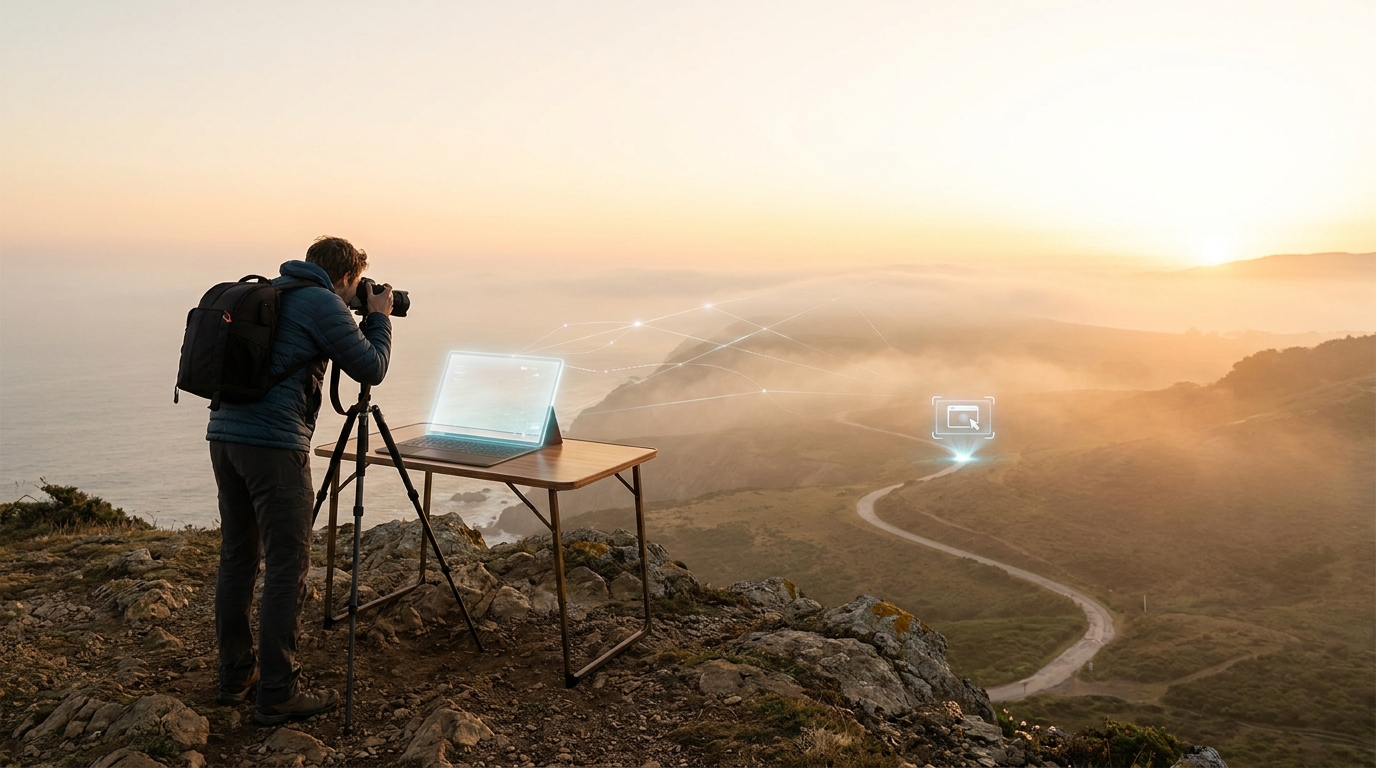
Build a portfolio that gets found, not just a page that looks nice
To build an online portfolio that gets found, publish your work on pages that a search engine can read and index, give every page a clear title and description, and keep adding real work over time. A portfolio only helps you when people can reach it from a search, so the practical goal is discoverability, not decoration. On Yesodi the creator surface does this for you by collecting your posts, videos, music and articles into public pages that are built to be indexed by search and by AI assistants. Instead of scattering your work across feeds that disappear, you point one findable home at it. That single home is what clients and collaborators land on when they look you up.
Why scattered work stays invisible
Most creators spread their best work across several apps, and each piece lives in a fast moving feed that is hard to search and easy to lose. Search engines favor stable pages with clear structure over content buried inside an app that is hard to crawl. When your video is on one service, your writing on another and your music somewhere else, none of them builds a single reputation that a search can surface. The fix is to gather the work into indexed pages under one identity. Yesodi treats your body of work as one collection rather than a pile of separate, short lived posts.
What the Yesodi creator surface actually does
The creator surface is a public set of pages that bring together everything you publish: posts, videos, music and articles. Each piece becomes its own page, and together they form a portfolio that represents your full range of work. Because the pages are public and built for indexing, they are designed to be reachable by Google and by AI assistants that answer questions about who does the kind of work you do. You keep publishing the way you already do, and the surface keeps organizing it into something a stranger can find. The result is a living portfolio that grows every time you post.
Write titles and descriptions the way people search
Search visibility starts with matching the words real people type. Do light keyword research to learn the phrases a potential client would use to find someone with your skills, then work those phrases naturally into your titles, headings and descriptions. Guidance from Google is clear that the same fundamentals that help classic search also help AI features, so clear titles, useful descriptions and honest structure still matter. Describe each project simply: what it was, what you did, and what the outcome was. Plain, specific language beats clever language when the goal is to be found.
Show a focused selection of your strongest work
A portfolio is stronger when it is curated, not when it is complete. Lead with a small set of your best and most relevant pieces, and present each as a clear example a visitor can understand in seconds. Quality over quantity keeps your pages readable for people and easier for search systems to understand. On the creator surface your newest and best work sits alongside your history, so a visitor sees both range and depth. A tight, high quality collection reads as expertise, which is exactly the signal both readers and ranking systems reward.
Make your images, video and audio readable to machines
A lot of portfolio work is visual or audio, which search systems cannot understand on their own without help. Descriptive text around each piece, clear captions, and useful titles give machines the context they need to index the work correctly. Video with a clear description and transcript, and images with honest captions, travel further in search and in AI answers than files with no words attached. When you publish through the creator surface, each media page carries its own text, so a video or a track is not a dead end for a crawler. Give every piece a few true sentences and it becomes findable.
Let the collection build your authority over time
One page rarely makes a reputation, but a steady stream of real work does. Publishing regularly adds pages, and more indexed pages on a clear topic build the kind of track record that search and AI systems weigh when deciding who to surface. Each post, article, video and track adds to a portfolio that keeps compounding rather than resetting. Because the creator surface keeps everything in one public place, your history works for you instead of scrolling out of sight. The more consistently you publish, the more complete and credible your findable portfolio becomes.
Start your findable portfolio today
If you want your work to be discovered instead of buried, the move is simple: publish it where it becomes a real, indexed page and keep adding to it. Bring your posts, videos, music and articles onto one creator surface, describe each piece in plain words people search, and let the collection grow. Publish your work on Yesodi and join the network so your portfolio becomes a public home that search and AI assistants can find. Your best work deserves a place people can actually reach. Start publishing and let your portfolio do the finding for you.