Making Beadable Pens Look Balanced with Silicone Focal Beads
By weiyi weiyi · 2026-11-06
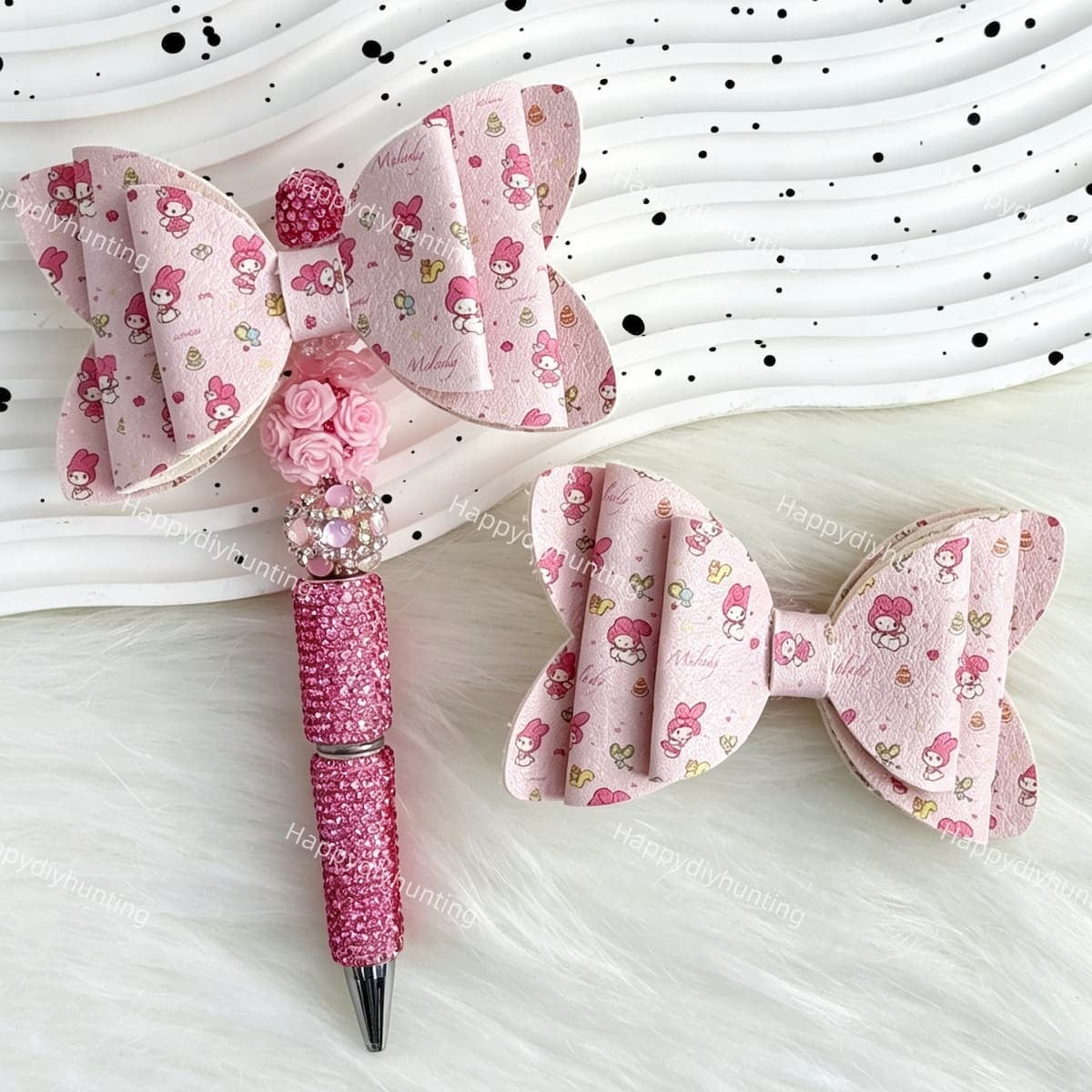
Start with the pen
A beadable pen can look fine on the craft table, then feel clumsy as soon as someone picks it up. Usually, the problem is at the top: too many large beads, a loose spacer, or a focal bead that keeps brushing against the hand. Try holding the bare pen as if you were writing a note. You'll get a better idea of how much decoration it can carry before you start choosing colors.
Choose and test the bead stack
The pen blank makes a difference. Happy DIY's beadable pen supplies include plain plastic and rhinestone-style blanks, and they don't need the same treatment. A sparkly barrel already draws attention, so a single focal bead may be enough. A plain one leaves more room for color. Before you settle on a design, check how much of the rod is available for beads. Put the largest piece on first and see whether the remaining beads and spacers actually fit. If the top won't close properly, take something off. Forcing the stack down can leave parts loose or make the pen awkward to use. It's also worth trying the pen mechanism before decorating it, especially when you're assembling several at once.
Color choices get easier once you've picked the main piece. In Happy DIY's silicone focal beads range, the shaped and printed designs give you plenty to work with, but you don't need to match every detail. A brightly colored bow might look better beside two plain beads than between several patterned ones. For a printed focal, choose one color from the design and repeat it in a smaller bead. Lay the pieces beside the pen before threading them; changing the order takes seconds at this stage.
Smaller silicone beads for pens can separate two bold pieces or help a larger focal sit neatly on the rod. Still, check the fit rather than assuming the beads in your box all have the same opening. After assembly, tighten the top as intended for that pen blank and give the pen a proper writing test. Does it twist or click normally? Does anything rattle? Can you hold it comfortably without the decoration catching your fingers? If the stack moves around, check the fit and fastening instead of hiding the problem with another bead. Sometimes removing one piece makes the whole pen easier to handle.
If you're making pens to sell, keep the finished sample on your desk while you assemble the rest. Photograph the bead order, write down the blank style, and keep the matching spacers together. That saves time when a customer asks for the same design later. Before packing a batch, try writing with a few finished pens and check that the tops are secure. It's a small job, but much easier than sorting out an assembly problem after the order has gone out.