Multi-hyphenate creative on YESODI
By Music Discovery · 2026-11-01
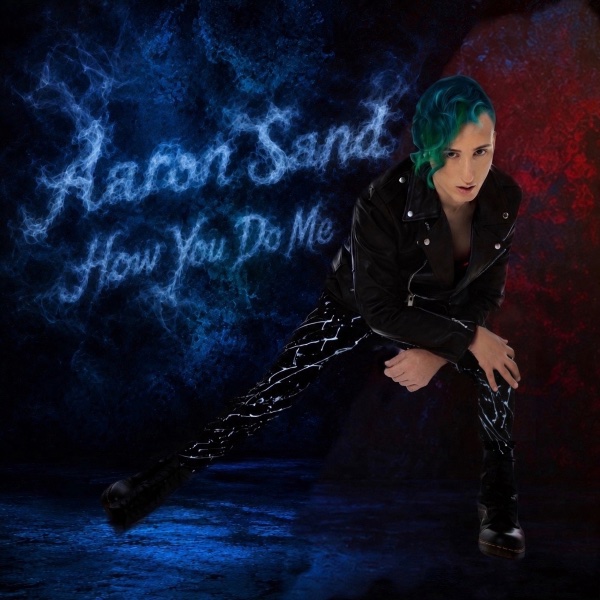
The person who sings, acts, models, dances, and builds business ventures sits at the intersection of a long tradition in entertainment. The creative who works across disciplines is not a modern invention, but a redefinition of how artists navigate a changing industry. Understanding this landscape tells us something important about how creative identity works today.
The Renaissance concept of the complete artist
The idea of mastery across multiple art forms goes back centuries. During the Renaissance, artists like Leonardo da Vinci and Michelangelo were not specialists in one medium. They painted, sculpted, designed, engineered, and theorized. The concept was that deep creative thinking in one discipline informed and enriched work in another. This wasn't seen as scattered effort. It was seen as evidence of comprehensive artistic intelligence.
The decline of rigid specialization
For much of the twentieth century, the entertainment and music industries pushed toward specialization. A musician was a musician. An actor was an actor. The studio system reinforced this. Record labels wanted you to commit to music. Film studios wanted you to commit to acting. These were treated as separate career tracks with separate fanbases and separate economic models. The infrastructure assumed you picked one lane and stayed in it.
Why the shift happened
The digital era changed the economics of attention and distribution. An artist no longer needed a studio or label to reach an audience directly. Social platforms allowed someone to share music, video, photography, and performance simultaneously to the same people. The cost of production dropped. The barriers to entry fell. Suddenly, the constraint was not access to tools or distribution. The constraint was time and energy. An artist could now explore multiple forms because the gatekeepers were no longer there to say "choose one."
The business case for creative multiplicity
From an audience perspective, following someone across disciplines offers more reasons to engage. A listener who enjoys an artist's music might also watch performance content, follow their visual work, or learn about projects they are building. From the artist's perspective, skills compound. Understanding rhythm from music informs physicality in dance and acting. Understanding narrative from acting informs songwriting and visual composition. The creative muscles developed in one domain sharpen thinking in another.
Why it matters now
The multi-disciplinary creator has become a recognized path rather than an exception. It appeals to audiences who want to understand a complete creative vision rather than a single product. It represents a return to an older model of artistic practice, but enabled by entirely new technology. For curators and audiences interested in contemporary creativity, watching how someone moves between music, performance, business, and visual presence tells a more complex story than tracking a single output.