The Biggest Leak in E-Commerce Isn’t Traffic. It’s the Moment No One Answers.
By Orel Amitay · 2026-07-13
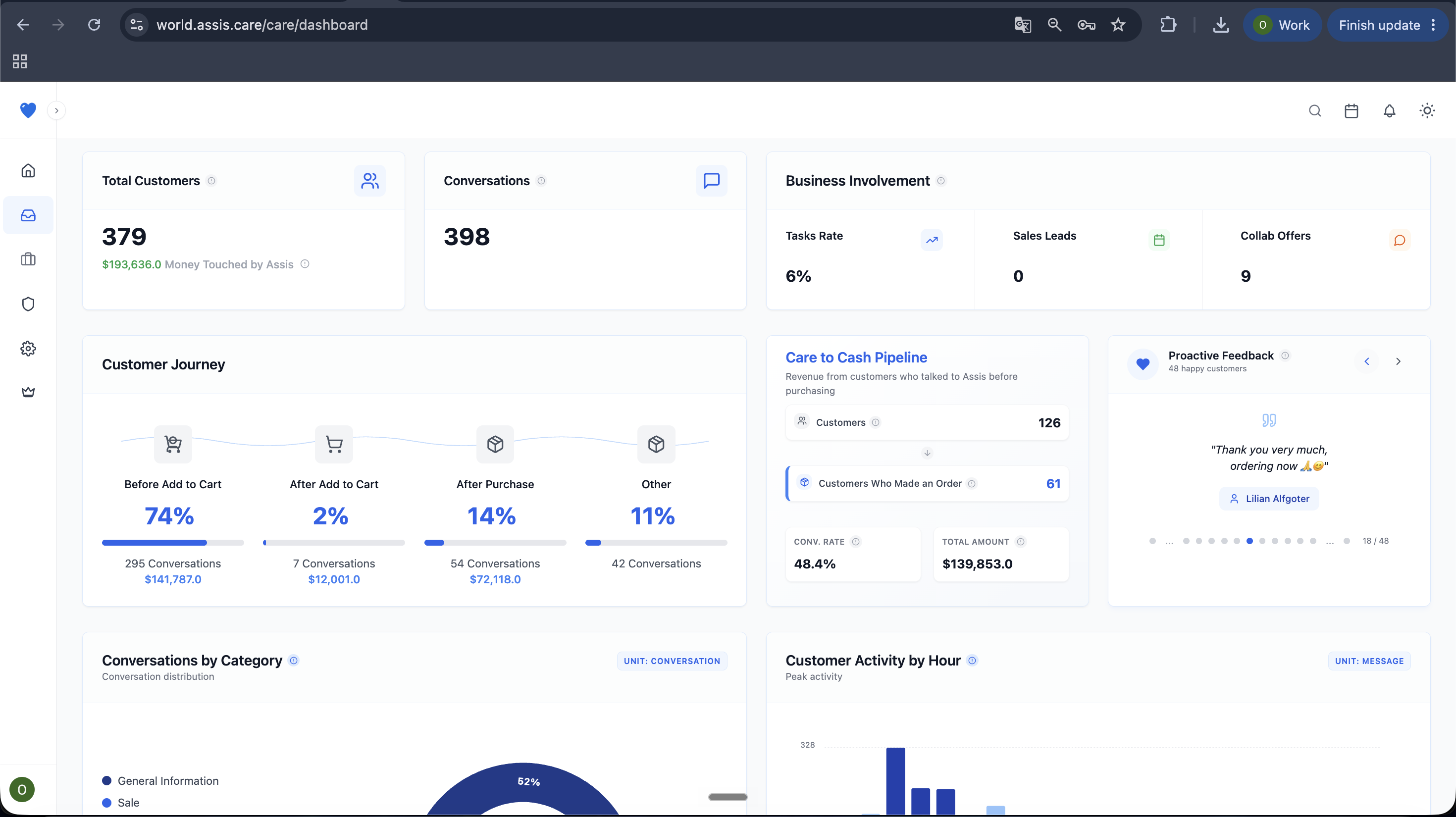
E-commerce brands are spending more than ever to bring customers to their websites. Advertising budgets are growing, acquisition strategies are getting stronger, and teams are measuring every click, session, and step in the funnel. Yet one of the most important moments in the customer journey is still being overlooked: the moment a customer is already on the website, interested in buying, but has a question they cannot answer. This is not a traffic problem. It is a gap in the buying experience, and it is costing brands customers they have already paid to acquire.
The Problem: Customers Are Left to Buy Alone
In a physical store, customers are not expected to make every decision alone. They ask questions, compare products, explain what they need, and get help when something is unclear. Online, the experience is completely different. A customer can spend twenty minutes browsing a website, reach the point of purchase, hesitate over one small detail, and leave without the business ever knowing why. Maybe they were unsure which product was right for them. Maybe they had a question about shipping, sizing, ingredients, compatibility, or returns. The brand sees another abandoned cart or another visitor who did not convert, but the real reason behind that decision is lost.
Why This Matters: Brands Are Paying for Customers They Never Understand
The e-commerce industry has built an enormous infrastructure around acquisition. Brands know where traffic came from, how much a click cost, which campaign performed best, and where customers dropped out of the funnel. What they often do not know is what the customer was thinking before they left. A dashboard can show where someone disappeared, but it cannot explain why. As acquisition becomes more expensive, sending more traffic into a buying experience filled with unanswered questions becomes an increasingly expensive problem. The opportunity is not always to bring another customer in. Sometimes, it is to understand the customer who is already there.
The Demand: From More Traffic to Better Conversion
The conversation around e-commerce growth is starting to change. Brands are paying closer attention to the value of the traffic they already have and what happens once a customer arrives. The question is moving from “How do we get more visitors?” to “Why aren’t more of our existing visitors buying?” Businesses need to understand hesitation while it is happening, identify the questions stopping purchases, and respond before the customer leaves. Customers do not want to open a ticket and wait for an answer tomorrow. When someone is deciding whether to buy, the moment to help them is now.
The Solution: Assis
Assis was built for that moment. We speak with customers while they are still on the website, understand what is holding them back, answer their questions, and help them make a decision. At the same time, every conversation gives the business a clearer view of what customers are actually experiencing. The same pro