The Man Who Marketed a Nation
By William Lebovics · 2026-07-21
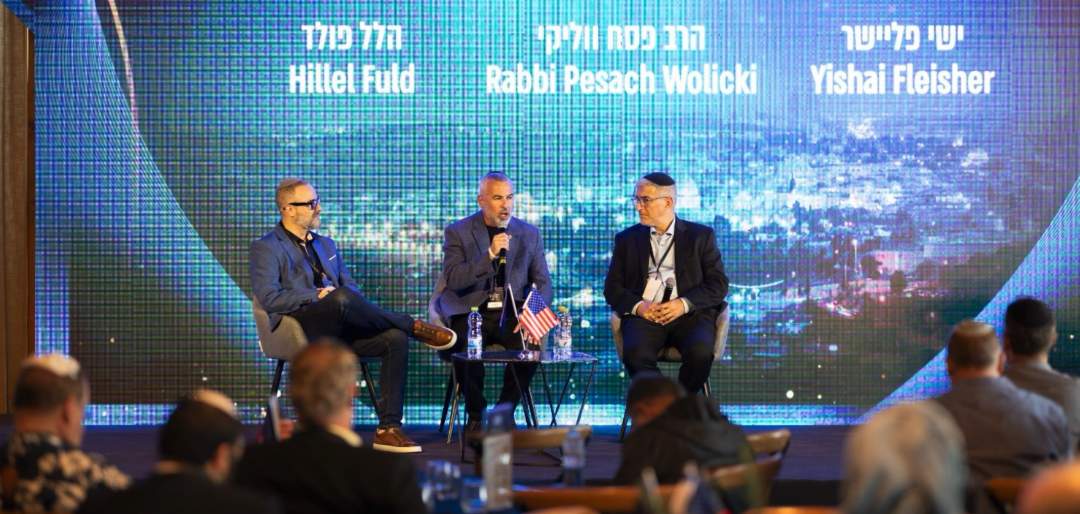
The Marketing Dude of Startup Nation: Understanding Hillel Fuld
Few figures in the Israeli technology ecosystem have converted personality into infrastructure quite like Hillel Fuld. Part evangelist, part connector, part one-man media operation, Fuld spent two decades making himself synonymous with the phrase "Startup Nation" — and then, after October 7, 2023, pivoted that entire apparatus toward a second vocation: full-time digital advocacy for Israel. To understand why global brands have paid for his attention, and why a foreign government eventually barred him from entry, is to understand something larger about how influence itself became a product category.
From Technical Writer to Tech Ambassador
Fuld was born in Queens, New York, to an Orthodox Jewish family; his father, Rabbi Yonah Fuld, was principal of the Salanter Akiba Riverdale Academy. The family immigrated to Jerusalem when Hillel was a teenager, and he later earned a degree in political science from Bar-Ilan University. His entry into technology was unglamorous: a technical writing job at Comverse Technology, the now-defunct telecom giant, where he began blogging on the side.
That blog became the flywheel. Fuld interviewed anyone who would answer ten emailed questions — eventually including Marc Andreessen, Steve Wozniak, Guy Kawasaki, and Gary Vaynerchuk — and each interview compounded his network and his search visibility. By 2016, Forbes was calling him "the man helping transform Startup Nation into Scale-up Nation." He accumulated the honorifics that circulate in his bios: a top-10 tech blogger ranking, placement among the world's most influential social media personalities, columns in Inc., Entrepreneur, and TechCrunch, and mentorship roles at Google Launchpad, Microsoft Ventures, Techstars, and The Junction. Business Insider once dubbed him "the Robert Scoble of Israel" — a comparison that captured both the enthusiasm and the ubiquity.
Why Companies Pay Him
The commercial logic behind Fuld is not complicated, but it is instructive. Brands like Google, Oracle, Microsoft, and Huawei have engaged him as an influencer, ambassador, and mentor because he sits at a rare intersection: he has the trust of Israeli founders, the ear of international tech media, and an audience that treats his recommendations as peer advice rather than advertising. A sponsored post from an agency reads as marketing; a Fuld post reads as enthusiasm from a guy who has been publicly enthusiastic for fifteen years. That accumulated authenticity — whether one considers it earned or performed — is precisely the asset companies rent.
His business model reinforces the effect. Fuld has said repeatedly that most of his help is given free: he estimates 95% of his startup work is no-strings-attached, he refuses finder's fees on investor introductions, and he describes his product as access rather than time — "I can connect him to a top-tier investor in Silicon Valley, becaus