Where the Streets Have Their Name: How U2 Conquered Five Decades of Rock
By William Lebovics · 2026-07-14
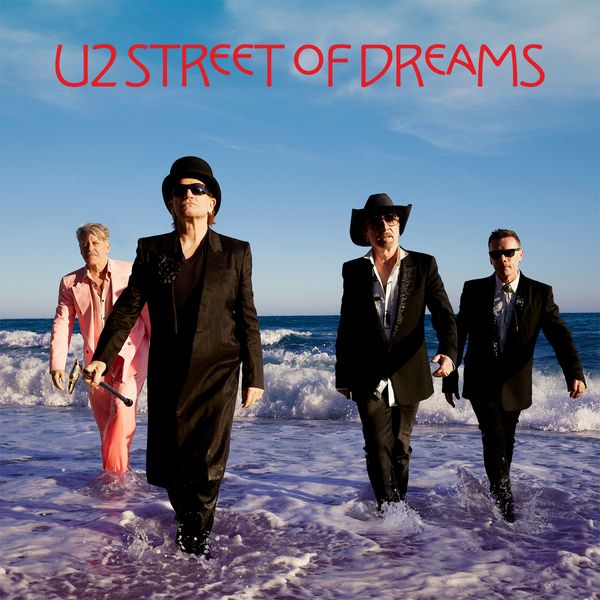
Fifty Years at Full Volume: The Greatest Accomplishments of U2
In the autumn of 1976, a fourteen-year-old drummer named Larry Mullen Jr. pinned a note to the bulletin board of Mount Temple Comprehensive School in Dublin, looking for musicians to form a band. The teenagers who answered — Paul Hewson, David Evans, and Adam Clayton, soon to be known as Bono, The Edge, and simply Adam — could barely play their instruments. Fifty years later, that same four-piece stands as one of the most decorated, influential, and enduring acts in the history of popular music. What follows is an accounting of what they actually achieved, and why it matters.
The accomplishment hiding in plain sight: they stayed together
Before any album or award, U2's most improbable feat deserves its due: the same four members, without a single lineup change, for five decades. The Beatles lasted ten years. The Rolling Stones and The Who carried on, but only after deaths and departures reshaped them. Pink Floyd, Fleetwood Mac, Genesis, and the Eagles all splintered and reformed in various configurations. U2 alone among the giants of rock kept its founding lineup completely intact from a school notice board to a fiftieth anniversary — a milestone the band marks in 2026.
This wasn't luck. The band famously splits songwriting credits and revenue four ways, regardless of who wrote what — a deliberate structure that removed the financial resentments that dissolved so many of their peers. Their manager Paul McGuinness, who guided them for 35 years, was often called the "fifth member" for building a business around the principle that the band itself was the asset worth protecting.
The albums that defined eras
U2's recorded legacy rests on a rare achievement: making the defining album of one era, then making the defining album of the next era by destroying the first.
*The Joshua Tree* (1987) turned four Dubliners obsessed with America into the biggest band in the world. Anchored by "With or Without You," "I Still Haven't Found What I'm Looking For," and "Where the Streets Have No Name," it won the Grammy for Album of the Year, has been certified Diamond in the United States, and put the band on the cover of TIME under the headline "Rock's Hottest Ticket" — only the fourth rock act ever to appear there, after The Beatles, The Band, and The Who. In 2014, the Library of Congress selected it for preservation in the National Recording Registry as a work of cultural and historical significance.
Then came the pivot that critics still regard as one of the boldest in rock history. Stung by accusations of self-seriousness after the *Rattle and Hum* project, the band decamped to Berlin as the Wall fell and nearly broke up in the studio. What emerged was *Achtung Baby* (1991) — dark, ironic, saturated in industrial and electronic textures, and carried by "One," a song written in the middle of the band's own near-collapse that is now a s