Why Bread Dough Needs Rest?
By Food Discovery · 2026-10-02
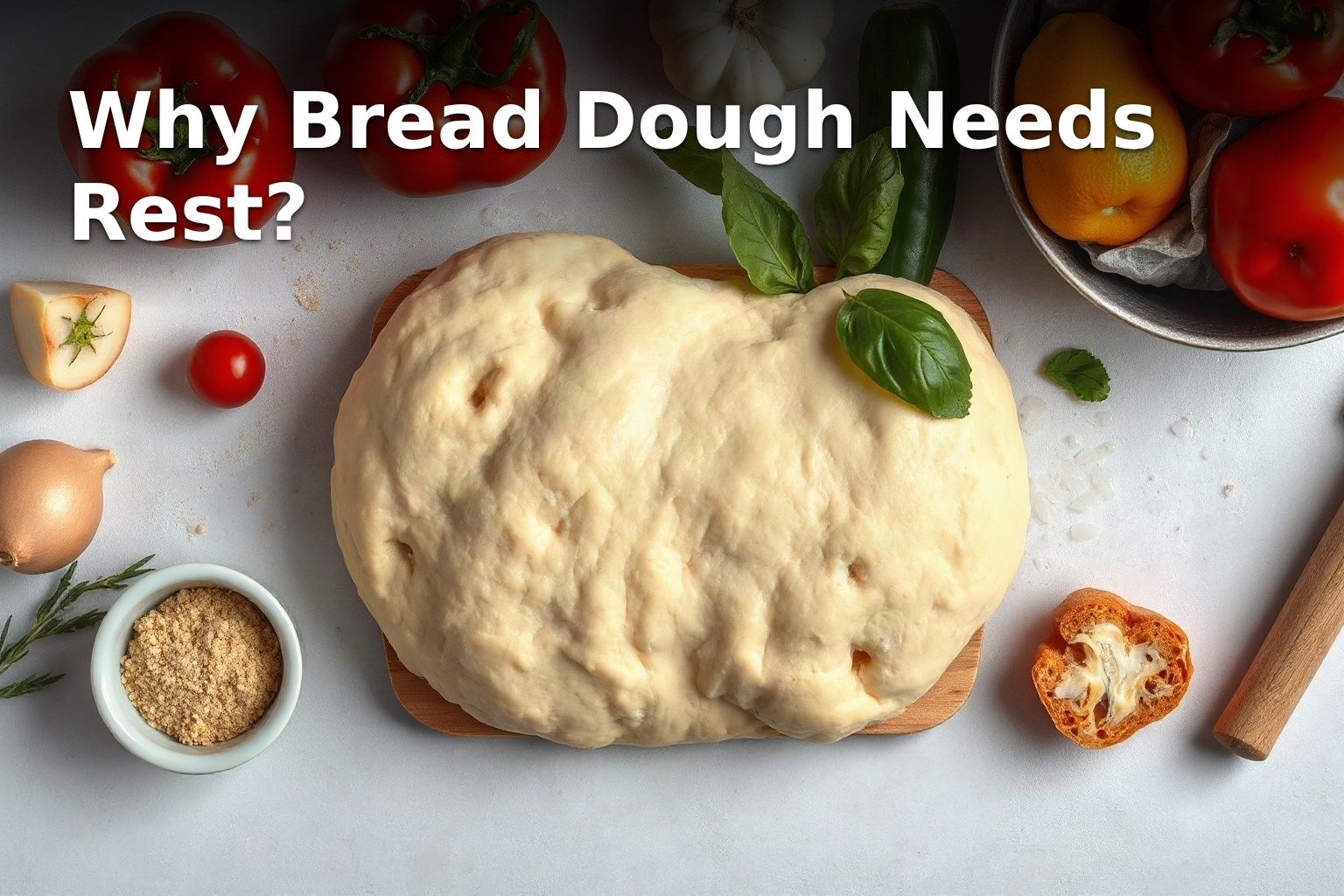
Most people think making great bread is about muscle work. They knead hard, they knead long, they believe vigor creates structure. But the real builder of bread is time and water working together, quietly transforming the dough while you step away.
When flour meets water, gluten proteins begin to bond and form networks. This happens naturally, without any effort from you. The first few folds and turns you make accelerate this process slightly, but the rest periods are where the genuine work happens. During rest, water continues to migrate through the flour, hydrating it more completely. The gluten strands relax and reorganize. The dough becomes smoother, more extensible, stronger. A baker's hands speed things up at the beginning, but time is the true architect.
This is why professional bakers use long fermentation. They mix their dough and then let it sit for hours, folding it gently every thirty minutes or so. Each fold strengthens the network a little, but each rest period between folds allows the gluten to relax and the flour to fully hydrate. By the time the dough is shaped, it has developed tremendous elasticity and strength without aggressive treatment. The result is bread with better texture, better rise, and often better flavor because the long fermentation develops complex tastes.
Home bakers who rush the process, kneading hard for ten minutes and then immediately shaping, often end up with tougher bread. They've activated the gluten mechanically, but they haven't given it the time to develop properly through hydration. The dough fights back during shaping and baking.
The magic insight is this: you cannot force good bread structure. You can only create conditions where it develops naturally. That means mixing, then resting. Folding gently, then resting again. The patience becomes part of the bread itself.