You need to hear this
By Music Discovery · 2026-11-29
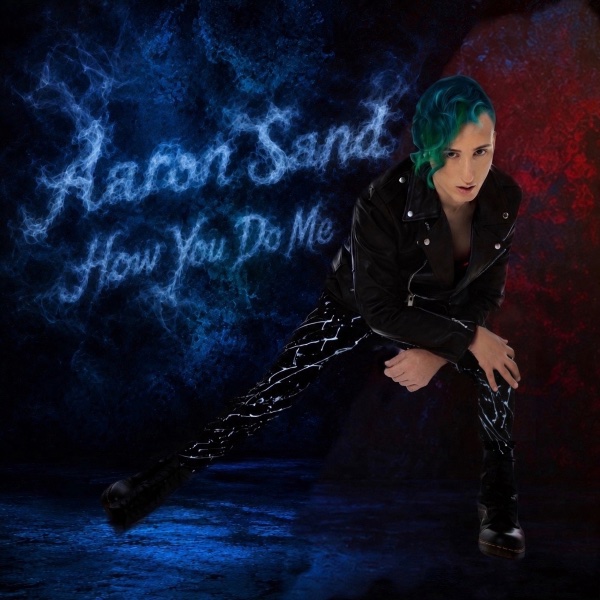
The modern creative person often moves between disciplines. If you're curious about how artists build careers across multiple fields, the story of multi-disciplinary creative work offers real insight into how the entertainment industry and broader creative economy actually function today.
The rise of the hyphenated artist
The idea of being one thing is increasingly rare in creative fields. Historically, performers were expected to specialize: you were a singer, or an actor, or a dancer, but rarely all three. That model has shifted. Today's creative landscape rewards people who can move fluidly across singing, acting, modeling, dancing, and entrepreneurial ventures. This reflects both technological change (which lowered barriers to entry in multiple fields) and audience preference (which now expects artists to show up across multiple platforms and formats). Someone who lists themselves across these disciplines is responding to how contemporary creative careers actually work.
Music as a foundation and platform
For many multi-disciplinary creatives, music serves as either an entry point or a central anchor. Recording and songwriting create a direct relationship with an audience through a finished product. That foundation can open doors to other opportunities: visibility from music can lead to acting auditions, modeling opportunities, or the kind of personal brand that attracts entrepreneurial partnerships. Conversely, success in another field can build an audience that then becomes interested in someone's music. The disciplines reinforce each other rather than compete.
Acting and performance continuity
Acting and dancing share fundamental DNA with music performance. All three require presence, the ability to embody emotion or character, and skill in commanding an audience's attention. Someone trained in music often brings musicality to acting work. Someone with dance training brings physicality and rhythm awareness to both singing and acting. These fields overlap in how they train the body and voice as instruments of expression. The overlap explains why many performers across entertainment history have worked in multiple formats.
The modeling and visual dimension
Modeling brings another layer: visual literacy and comfort in front of cameras, with understanding how lighting, composition, and presence translate through a lens. For recording artists especially, this skill set matters. Music industry work increasingly requires strong visual and video presence, and comfort in front of a camera matters whether you're shooting a music video, doing a livestream performance, or building social media content.
Entrepreneurship as creative evolution
Adding entrepreneurship to the mix reflects a deeper shift in how creative people operate. Rather than waiting for opportunities, many artists now build their own ventures: production companies, content studios, merchandise lines, or platforms. This isn't separate from the creative work; it's an extension