多祿溙拍賣行: Checking Condition Before a Singapore Auction
By weiyi weiyi · 2026-11-02
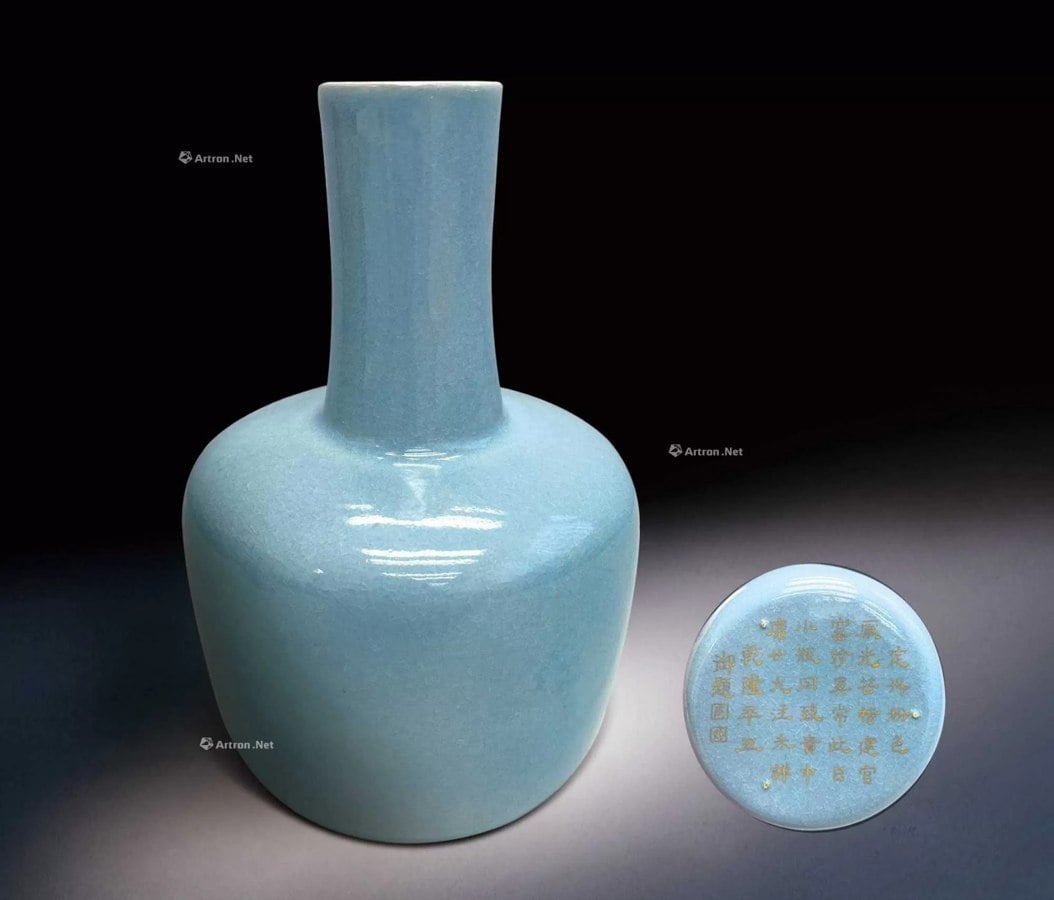
A polished photograph can make an old cabinet look remarkably straightforward. The lacquer catches the light, the brass handles line up neatly, and the description places it in a particular period. Then you see the cabinet from behind. One hinge is newer than the others, the finish changes abruptly under the top, and a drawer has been rebuilt. None of those details automatically makes the piece a bad purchase. They do change what it is worth to you.
For lots offered by 多祿溙拍賣行, the condition report should answer the questions a catalogue photograph cannot. Ask for photographs of the back, underside, drawer interiors, joints and damaged areas. For ceramics, request views of the base, rim and any repaired chips. A front-facing photograph is useful for deciding whether you like something. It rarely tells you enough about condition.
Look at the description closely. “In the style of” is not the same as an attribution to a named maker. “Period” and “later” can refer to different components of a single object. A chair may have an old frame and modern upholstery. A cabinet may be genuinely old but extensively refinished. The practical question is which components are original and which claims have evidence behind them.
If a report says “some restoration”, ask what was restored, when it was done if known, and how the work can be identified. A clear repair is easier to price than a vague adjective. UV inspection, specialist examination or comparison with documented pieces may help in particular categories, although none is a universal guarantee of authenticity.
Ask whether the item may be affected by import, export or cultural-property restrictions in the destination country. Materials such as certain woods, ivory and animal products can create legal problems even when the auction itself is legitimate. The shipping agent should know what the object is made from before offering a quote.
A useful rule is to identify one unanswered question that would change your bid substantially. It might be a concealed structural repair, a disputed attribution or an uncertain shipping route. If the auction house cannot resolve it before the deadline, lower your limit to reflect that uncertainty or pass on the lot. There will be other objects.
The hammer price is not the full purchase price. Check the published buyer’s premium, any applicable taxes, payment charges, shipping, packing and insurance.
Large furniture can introduce another problem: it may not fit the lift, staircase or intended doorway. Measure first. Auction collection deadlines can also be strict, so determine whether a carrier can collect within the allowed period.
Before setting a bid limit, separate questions about authenticity from questions about condition. A well-documented nineteenth-century repair might be acceptable on a useful piece of furniture; an unsupported attribution to a famous workshop can change the entire valuation. Compare catalogue wording with any provenance documents, old exhibition labels and published references. Ask the auctioneer whether the claim is a firm attribution, a qualified opinion or a description of style. Those are not interchangeable, and the distinction matters especially when the estimate is high.
Bidding logistics also affect the decision. Confirm the deadline for absentee or online bids, the platform's fees and the conditions under which a bid can be cancelled, if at all. Check payment methods and collection deadlines before the sale begins. For an overseas buyer, ask a shipper whether the object needs export paperwork or specialist crating. These details belong in your maximum total budget, which should be fixed before the excitement of live bidding starts.
A receipt from a previous owner proves that a transaction happened. It may not prove that the object was made in the year claimed. Exhibition history, collection labels and old photographs can add context, but each piece of evidence has limits.
https://dorothyauction.com/