Gibbi cuts through the noise with video and memes that land as pure comedic timing
By Fashion Discovery · 2026-11-24
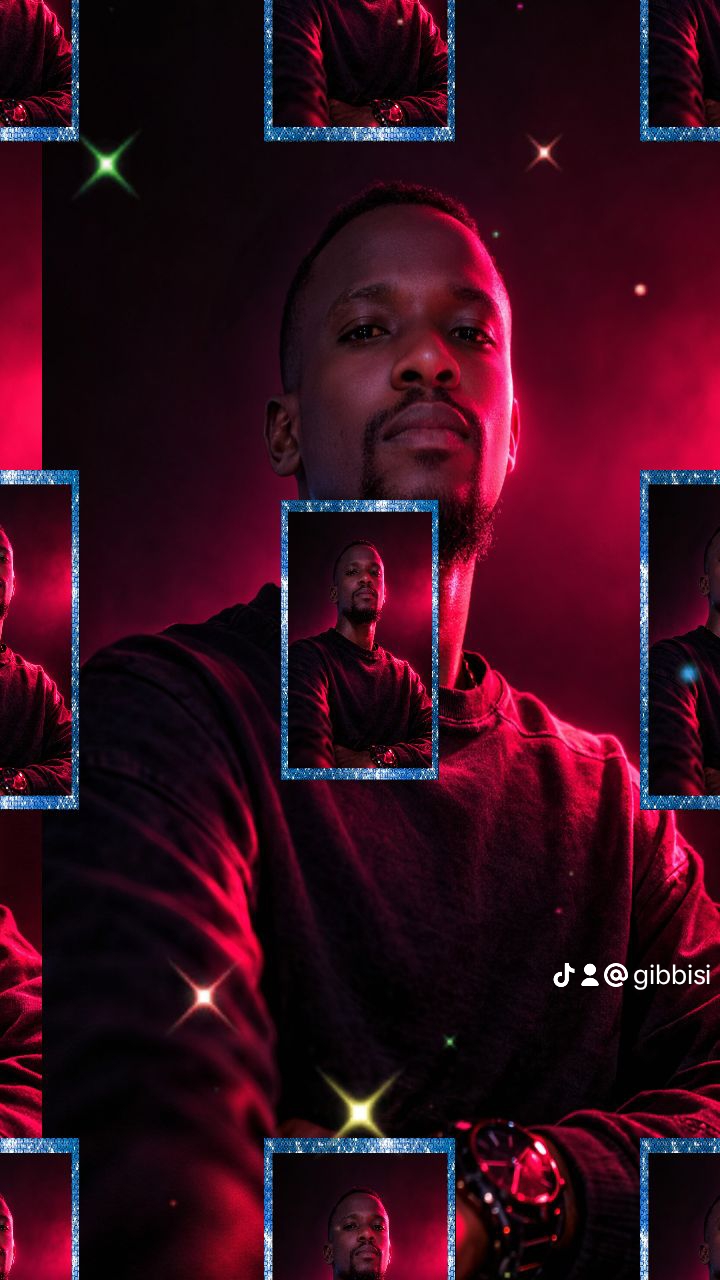
Fashion has always borrowed the language of comedy, but the mechanics of how humor works in visual culture are worth understanding on their own terms. When a creator uses absurdist comedy within a fashion frame, they're operating in a specific tradition that blends cultural commentary, timing, and the written rules of what people expect to see. This educational piece explores the broader landscape of comedic timing in visual media, absurdism as a creative strategy, and why fashion and humor have become inseparable in contemporary content creation.
The foundations of visual comedy
Comedy in moving image isn't new, but the conditions under which it travels have changed entirely. Silent film comedians like Buster Keaton understood that comedy lives in precise timing, in the gap between expectation and what actually happens on screen. That principle hasn't aged. What has shifted is the medium itself. Today's visual comedy operates across platforms designed for rapid consumption, where a joke can land in three seconds or not at all. The viewer's attention isn't captive the way it was in a cinema. This has forced comedic language to become denser, faster, and more self aware.
Fashion as a visual language operates on similar logic to comedy. Both rely on recognition and subversion of codes. When you wear red, observers read that choice through cultural associations. When a designer plays with proportion or material in an unexpected way, they're creating a visual joke of sorts. The audience recognizes the category, then experiences the disruption. Comedy and fashion both ask viewers to understand what normal looks like before you can appreciate the departure.
Absurdism in contemporary culture
Absurdist humor emerges when creators deliberately reject logic or conventional narrative structure as a creative choice. It's not simply nonsense; it's nonsense deployed with intention. The tradition draws from Dada art and theater of the early twentieth century, movements that responded to cultural chaos by embracing illogic as a valid artistic statement. Contemporary absurdist creators inherit this lineage even when they're working in short video format rather than performance art.
In fashion contexts, absurdism serves a particular function. It can defamiliarize clothing itself, making viewers see garments not as functional objects but as sculptural or conceptual propositions. It can also comment on the fashion industry's own absurdities: the gap between how aspirational advertising speaks and how actual bodies move through the world, the arbitrariness of trends, the way fashion discourse can take itself too seriously. By introducing illogic or unexpected juxtaposition, an absurdist approach can illuminate these contradictions.
The role of meme culture
Memes represent a democratization of visual language. They operate as a shared grammar that moves across internet communities. A meme format isn't owned by any single creator; it's a template available for