How Netflix Ditched DVDs?
By Business Stories · 2026-09-21
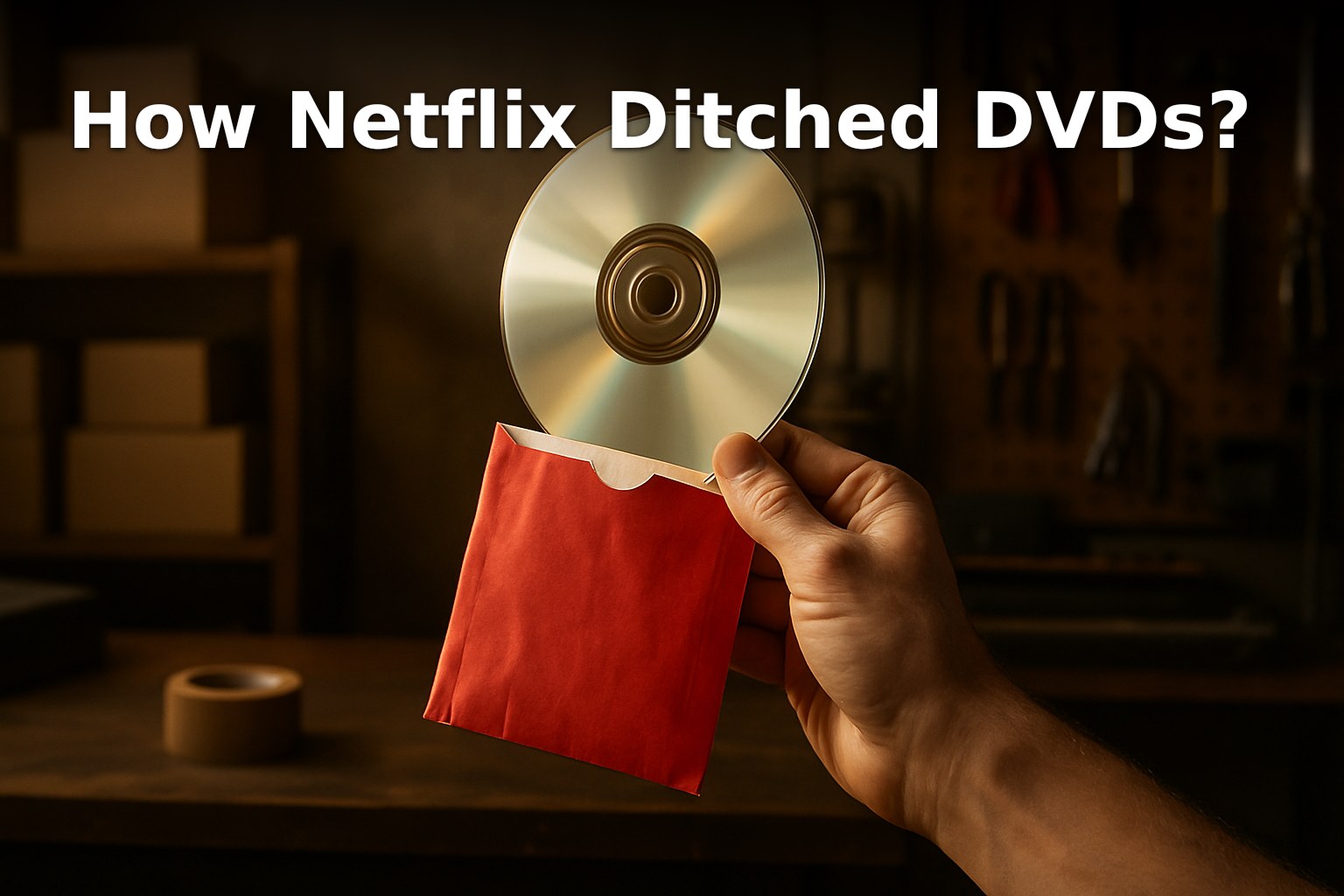
Netflix's journey from DVD rentals to streaming represents one of the most dramatic business transformations in modern corporate history. The company was founded in 1997 by Reed Hastings and Marc Randolph, initially positioning itself as an alternative to Blockbuster's late fees and limited inventory. By mailing DVDs directly to customers' homes, Netflix solved a real problem: you could keep movies as long as you wanted without penalties. This subscription model worked remarkably well throughout the 2000s. The red envelope became iconic, and the business was profitable and growing steadily. Most investors and analysts believed this was Netflix's permanent future. The company had built an enormous logistics network, sophisticated warehouses, and relationships with studios. Abandoning DVDs meant walking away from a business generating real revenue and real profit.
But Reed Hastings was thinking differently about technology trajectories. While other executives focused on optimizing the DVD business, Hastings was observing the internet's increasing speed and capacity. He recognized that broadband penetration would continue growing rapidly, and that streaming technology would eventually become viable at scale. In 2005 and 2006, Netflix began quietly investing in streaming capabilities while continuing to tout its DVD business. Hastings understood something crucial that competitors missed: the future belonged to instant gratification. Waiting days for a DVD in the mail would eventually feel impossibly slow to consumers who could access content immediately online.
The pivot became dramatic around 2007. Netflix officially launched its "Watch Now" streaming feature as a supplementary service to its DVD subscriptions. This wasn't immediately popular. Many early users complained about limited selection, video quality issues, and technical glitches. The streaming library in those early years was tiny compared to the DVD catalog. Wall Street was skeptical, and Netflix stock fluctuated. Yet Hastings held firm to his conviction and continued investing heavily in streaming infrastructure while licensing content from studios. He also persuaded the company's board to embrace a strategy that would cannibalize their own profitable business. This required unusual courage because it meant accepting lower near-term earnings in pursuit of a longer-term vision.
The transition accelerated between 2010 and 2014. Netflix progressively shifted resources toward streaming and away from DVD operations. The company began raising prices on DVD subscriptions while keeping streaming affordable, subtly encouraging customers to migrate. By 2012, Netflix had more streaming subscribers than DVD subscribers for the first time. The company continued reducing the DVD business, eventually moving it to a completely separate subsidiary called Qwikster in 2011, though that specific rebrand was unpopular and quickly reversed. Still, the direction was clear: DVDs would become a leg