Why Planes Need Rudders?
By Aviation Explained · 2026-09-28
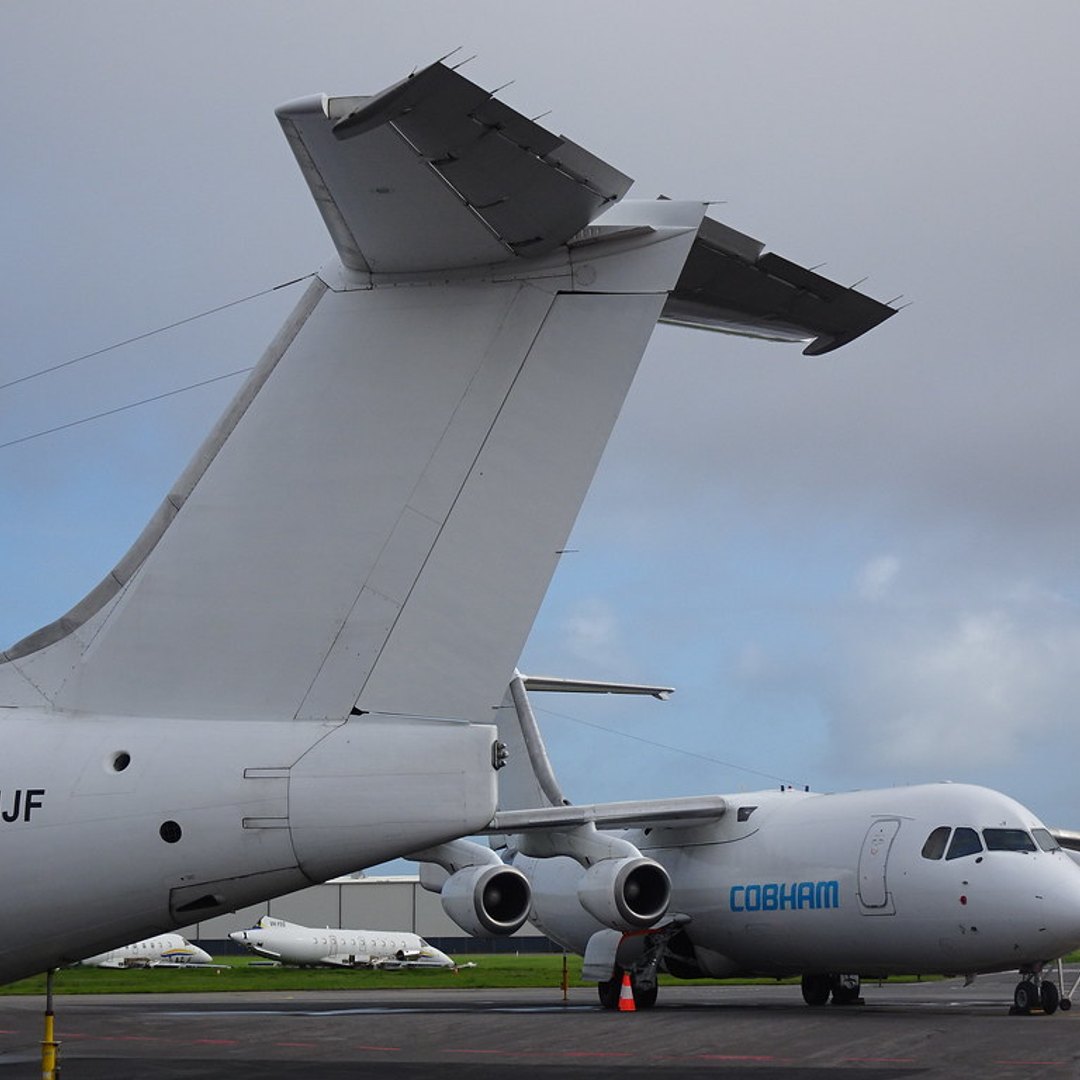
When you think about steering a plane, you might imagine the rudder working like a boat's rudder or a car's steering wheel. But aircraft are much more complex three dimensional machines, and the rudder does something completely different from what most people expect. It doesn't actually make the plane turn left or right in the way you'd turn a car. Instead, the rudder controls something called yaw, which is the spinning motion of the nose around a vertical axis. Think of yaw like a top wobbling as it spins, except the entire plane is the top. The ailerons on the wings are what actually bank and roll the aircraft for turning. The rudder is really the unsung hero that keeps the plane's nose pointed where it should be.
The reason planes need this separate control becomes obvious when you think about the forces acting on an aircraft in the air. When a plane turns sharply, the outer wing wants to slide outward because of the banking angle. When one engine fails on a multi engine aircraft like a twin engine plane, suddenly the working engine's thrust pushes harder on one side of the fuselage than the other. In both situations, the nose wants to swing sideways. Without the rudder to counteract this yawing tendency, the plane would spiral and carve through the air inefficiently or dangerously. Pilots would lose directional control and the aircraft could enter an uncontrollable spin. The rudder is the system that prevents the nose from pointing in a direction different from where the plane is actually heading.
Understanding yaw control matters because it's a fundamental principle of flight that often surprises people. You can feel a hint of it in a car when you round a corner too fast and the back slides outward, except in a plane this happens in all three dimensions and is far more critical. Aircraft designers had to figure out how to control this motion, and their solution was elegantly simple: a movable fin at the tail of the plane. When a pilot presses the right rudder pedal, it pushes a hinged surface on the vertical tail fin to deflect the air flowing past it. This deflected air pushes against the tail, causing the nose to swing right. Press the left pedal and the opposite happens. It's pure aerodynamics in action.
The really interesting part is how pilots use rudder in everyday flying. During takeoff and landing, when one engine might fail or when the plane is going relatively slowly, rudder control becomes extremely important. Commercial pilots train extensively to handle engine failures specifically because controlling yaw becomes the difference between a manageable situation and a disaster. Even in normal flight, pilots use small amounts of rudder constantly without passengers noticing, keeping the plane flying straight and true. On turns, the rudder works together with the ailerons to keep the aircraft coordinated, which means the turn feels smooth rather than slippery. Many small aircraft have a ball instrument in the cockpit that pilots wa