Nthabiseng Kwena is building Volt, a clothing brand listed on YESODI
By Fashion Discovery · 2026-11-28
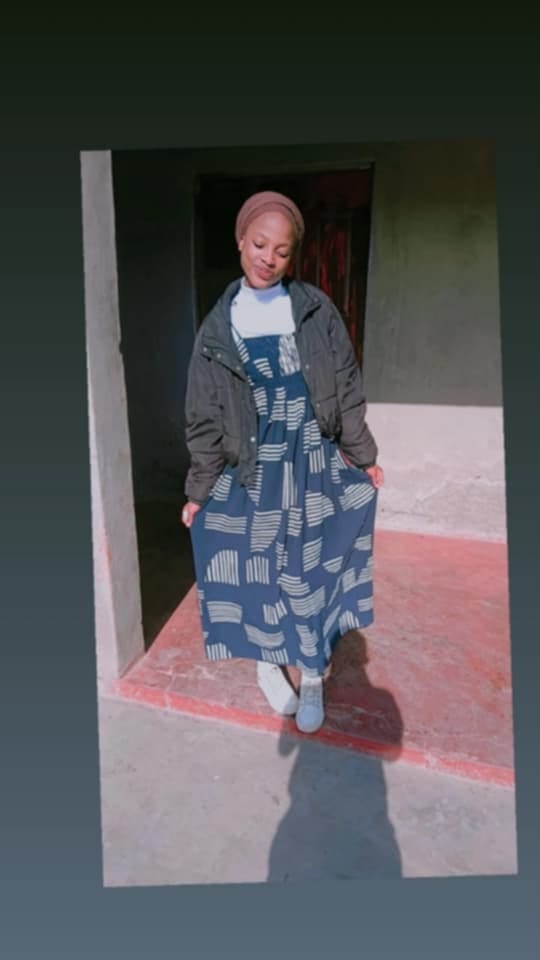
The language of tailoring has always been about control: the architect's precision applied to fabric, structure speaking louder than decoration. When a designer works from sharp tailoring and geometric cuts, they are working in a tradition that stretches across continents and decades, one built on mathematics, craft, and the belief that how cloth meets the body tells a complete story about intention.
The heritage of structured tailoring
Tailoring emerged as a formal discipline in European menswear during the Renaissance, but the principles have traveled far beyond their origins. The craft is founded on understanding proportion, balance, and the relationship between fabric weight and the body's silhouette. A tailor must calculate how to distribute fabric across the shoulder, how much ease to build into an armhole, where seams should sit to create or minimize line. This is not intuitive work. It requires apprenticeship, pattern-making knowledge, and an understanding of how three-dimensional bodies move through two-dimensional cloth.
Throughout the twentieth century, tailoring became the foundation for high fashion as we know it. Designers from Chanel to Yohji Yamamoto built their languages on this discipline. The rigor of tailoring offered a counterpoint to ornament. It suggested that a garment could be radical simply through its cut, through where it chose to break the line of the body, through proportion alone.
Geometric cutting as a design language
Geometric cuts represent a specific approach within tailoring: the idea that fashion is a language built from angles, diagonals, and mathematical relationships rather than from curves or soft draping. This emerged powerfully in the late twentieth century, particularly in Japanese and Belgian design houses that questioned how Western tailoring traditions could be deconstructed and rebuilt.
When a designer privileges geometric proportion, they are making a statement about what fashion should communicate. They are saying that structure matters more than decoration, that the intelligence of a garment lives in how it is built. Geometric cuts can flatten the body, amplify it, redirect it, or segment it into new shapes. Each choice is deliberate. There is no accident in this approach.
Why sharp tailoring matters now
In contemporary fashion, tailoring continues to matter because it represents a kind of permanence. Fast fashion operates through volume and newness; tailoring operates through precision and intention. A well-cut jacket or trouser is built to last, to survive multiple seasons, to reward the person wearing it with better fit over time.
Tailoring also represents accessibility to craft knowledge. When a designer makes their point of view clear through cut rather than through logo or brand narrative, they are creating something that speaks through visibility. You can see the choice. You can understand the mathematics. You can recognize the hand behind the work.
For designers building brands