Style Files
By Fashion Discovery · 2026-09-20
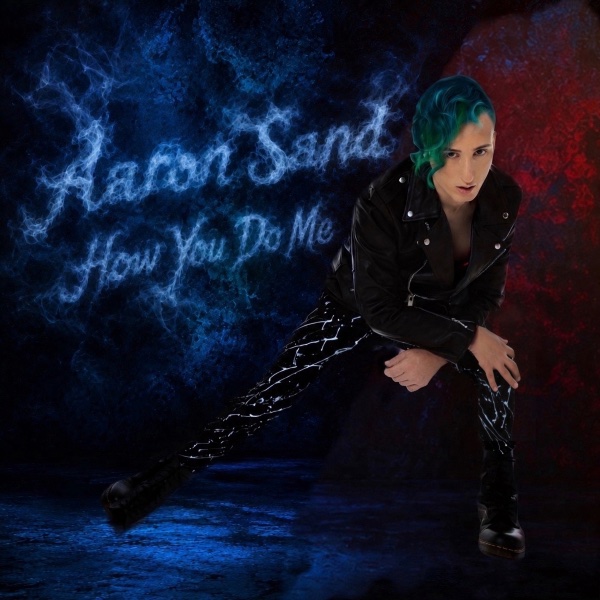
The figure who moves fluidly between singing, dancing, acting, and entrepreneurial work occupies a distinct role in contemporary culture. This isn't a new phenomenon, but the infrastructure and audience appetite for this kind of creative polymath have shifted dramatically. Historically, entertainment industries were siloed: musicians recorded albums, actors appeared in films, dancers performed in theaters, each category relatively isolated from the others. What's changed is how visibility and platform operate. A creator can now build audience across disciplines simultaneously, allowing each discipline to inform and amplify the others. Someone might develop a visual language through performance that informs how they present music, or use music to deepen the emotional weight of a character they're portraying. The skill set that makes someone compelling in one medium becomes intellectual and creative property they can apply elsewhere.
The archetype of the multi-disciplinary artist has roots in twentieth century modernism and the avant-garde, where artists like Oskar Schlemmer explicitly rejected medium separation. But the democratization came later. Earlier models required institutional gatekeeping: record labels to release music, theaters to book performances, studios to cast actors. Each pathway was narrow and competitive. Now a creator can document their own work, build community directly, and maintain ownership across all expression simultaneously. This has lowered barriers but also raised the bar for specialization and vision. Someone genuinely working across disciplines isn't typically doing five half-things; they're bringing a coherent creative intelligence to each domain, where the same sensibility might manifest as vocal phrasing, movement vocabulary, visual aesthetic, and business strategy.
What makes this approach distinctive in fashion and visual culture is how it expands the notion of style beyond clothing. Style, in this context, is a language of choices: how someone moves, what they choose to say and sing, what they build, how they present themselves. For audience members watching a creator navigate multiple platforms, style becomes a tracking mechanism for recognizing coherence. When a musician is also a performer and entrepreneur, their visual presentation, the design choices in their work, the way they communicate online, all become part of one legible voice. This is particularly significant for younger audiences who don't separate entertainment into neat categories anyway. They follow someone they find compelling and consume whatever they make, whether that's a music video, a performance clip, a photographic series, or documentation of a business launch.
The practical reality is that moving across disciplines requires different skills and different kinds of discipline. Recording music demands patience in the studio, understanding of production choices, and technical knowledge of sound. Acting demands script interpretation, abil