THREE GENERATIONS, MADE IN ITALY
By William Lebovics · 2026-09-08
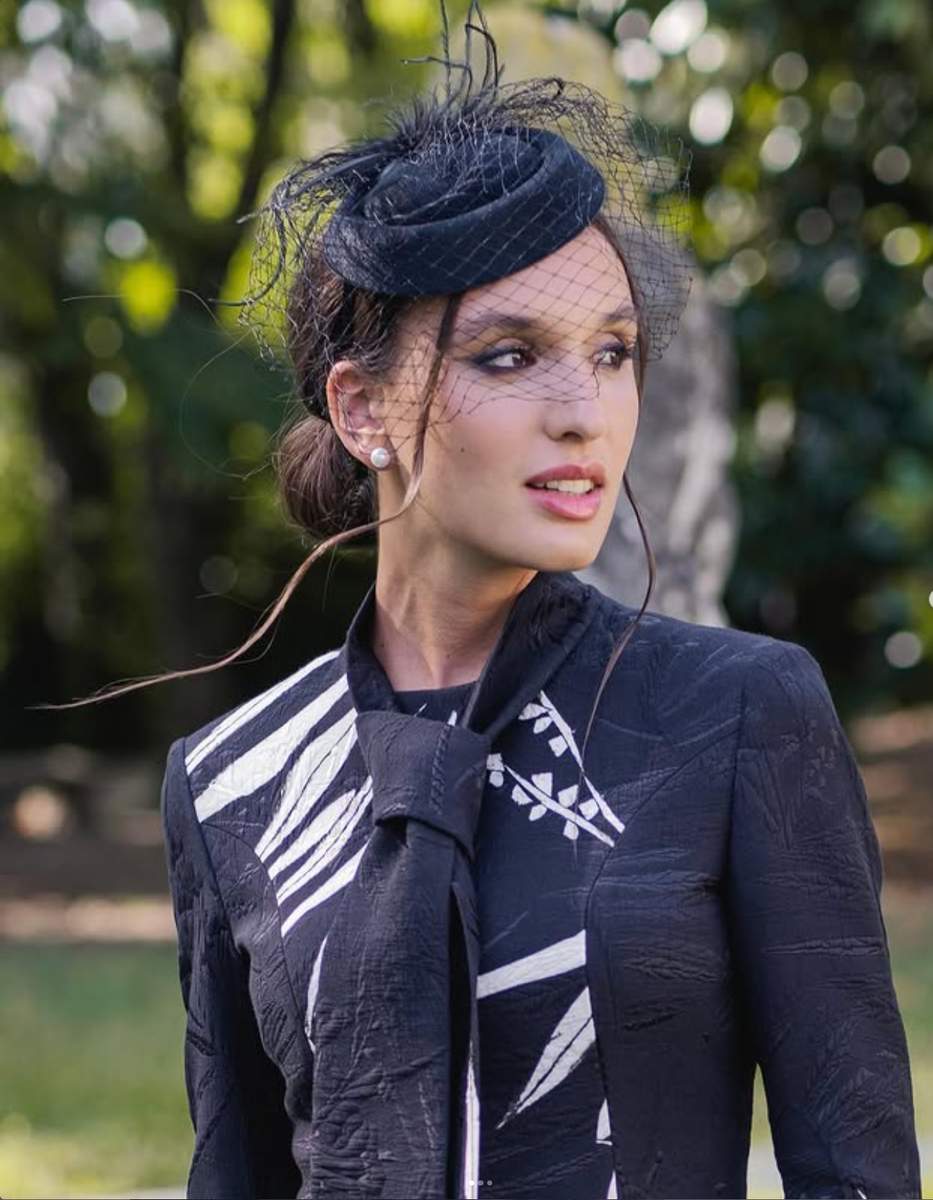
The name is a family tree. Mira, the grandmother. Rita, the mother. Yana, the daughter, who founded the label in 2021 and runs it now. Read the syllables in order and you have the entire brand strategy, which is unusual in a market where most heritage is invented in a branding meeting.
Miriya Love makes womenswear in Italy. Not designed in one country and assembled in another, but produced in Italian workshops the founder describes as personally known to her, with the generational craftsmanship that phrase implies. In a decade when almost every luxury label has learned to be strategically vague about where its clothes are actually sewn, that specificity is the product.
The material vocabulary is narrow on purpose. Merino wool carries the collection: knit sets that read as tailoring, sweaters cut with the weight and hang of outerwear. Embroidery appears as detailing on the dresses and coats rather than as ornament laid over the top. The silhouettes are long, considered, unhurried. The founder cites opera and theater as her reference points, and it shows in the drape: these are clothes built to hold a shape while a woman is standing still and being looked at, which is a different engineering problem from clothes built for movement.
The pieces carry Italian names, and they function almost as a garden inventory. The Tulipano dress. The Stella Alpina. The Iris. The Calla Rossa coat and its white counterpart, Calla Bianca. The Nerina and Giglio knit sets. Dresses run roughly six hundred to seven hundred fifty dollars, coats a little above that, knit sets to around a thousand. It is a capsule rather than a seasonal machine, which is the point.
Modesty here is not a marketing category bolted on for a particular customer. The brand states that it upholds modesty alongside what it calls the quintessence of refined, enduring fashion, and treats the two as the same commitment rather than a compromise between them. Coverage is designed in at the pattern stage, so the clothes do not announce themselves as modest wear. They simply are.
The founder's argument for the price is the argument every slow fashion label makes, put better than most: women, she says, do not need to spend more, they need to spend smarter. The corollary appears on her own about page. "In each piece, I celebrate the stories that have shaped me, inviting you to embrace a journey where fashion is more than attire, it's an embodiment of timelessness and grace."
On a runway that will move between couture, streetwear and street art, Miriya Love occupies a specific and necessary position: the case for the well made coat that outlives the season, the decade and possibly the designer. Watch the wool as it comes down the center of the Leman Ballroom. Merino moves differently under stage light than anything synthetic, and that difference is the whole thesis.