Trellis Netting That Holds Up Through an Entire Growing Season
By weiyi weiyi · 2026-11-05
Overview
A trellis looks straightforward until a crop starts gaining weight. Young cucumber vines are light; a mature row covered with wet foliage and fruit is not. Growers who buy netting only by roll price sometimes discover that the mesh stretches, attachment points tear, or the frame sags before harvest. The useful starting point is the crop's growth pattern and the layout of the support system. Netting intended to guide flowers in a greenhouse will not necessarily behave the same way on an exposed vegetable field with wind loads.
Practical considerations
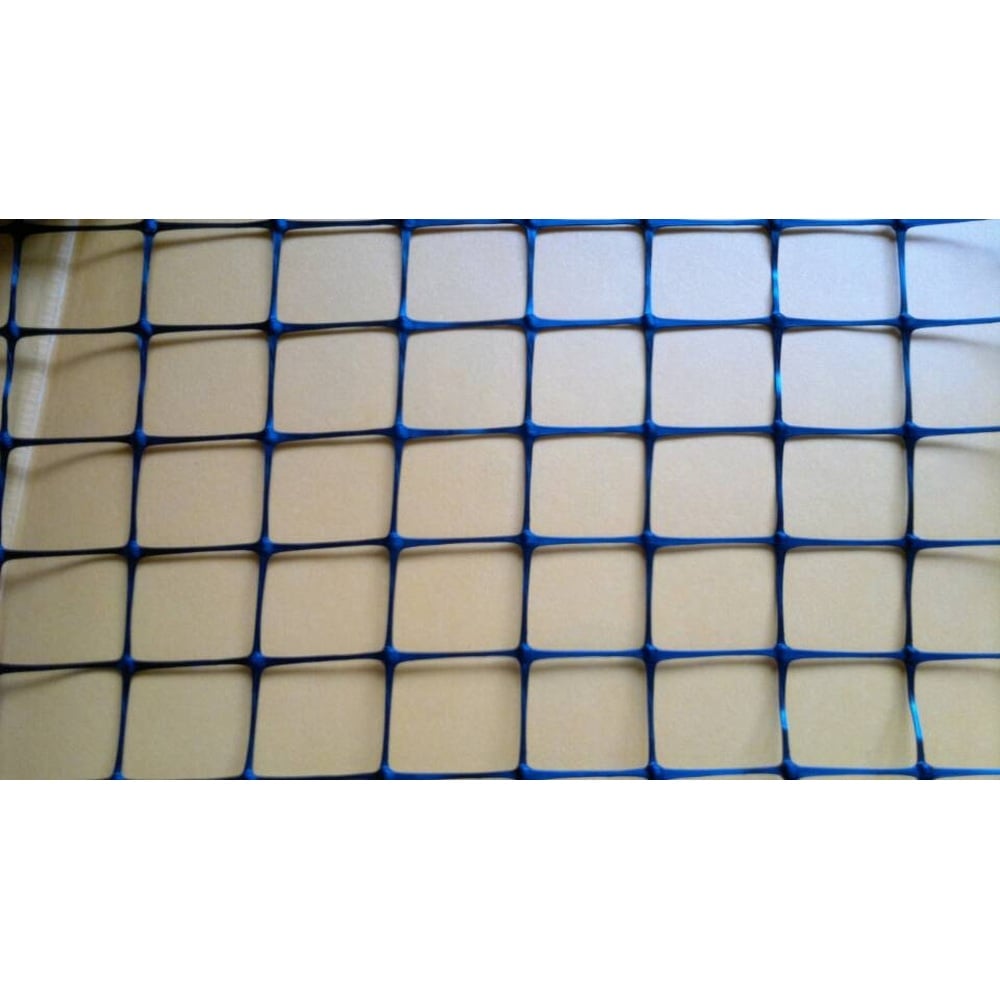
When comparing a supplier of trellis netting, ask for the mesh opening, strand construction, roll width and actual usable length. Mesh openings must be large enough for staff to reach through during harvesting but small enough to support stems without constant re-tying. Vertical support is particularly useful for cucumbers, beans and certain climbing ornamentals; other crops may need a horizontal layer to prevent stems from falling sideways. The right orientation depends on whether the plant grows upward, spreads along benches or needs repeated training by workers. Mesh specification is also a harvesting decision. Very small openings can make it harder to reach fruit without damaging nearby vines, especially when workers wear gloves. Extremely open grids may require additional clips or tying. Trial workers should report the time spent training each row, not just whether the plants remain upright on the day the sample is installed.
Material ageing matters as much as initial strength. Plastic netting spends months under ultraviolet exposure, irrigation water, fertiliser spray and temperature swings. UV stabilisation can help, but the phrase alone does not tell buyers how a product was tested. Request the resin type, weight per square metre or comparable construction data, and any documented outdoor exposure information. In warm climates, a net that retains strength under sun is valuable; in colder areas, brittleness during handling can be the bigger concern. Field samples should be pulled, knotted and fastened under realistic conditions rather than judged only by appearance. Installers need to leave enough tension for the grid to keep its shape without pulling end posts inward. A long run should use adequate intermediate supports, and sharp wire ends should not rub continuously against plastic strands. For some greenhouse rows, clips are faster to replace than knots, especially when the netting is removed for sanitation. In commercial flower production, consistent mesh geometry also helps workers maintain uniform stem spacing, but sanitation between crops is essential. If disease pressure is high, reusing contaminated supports merely to save material can become expensive.
Greentek's plastic netting range includes agricultural and horticultural applications, so the sensible conversation begins with the intended crop, installation diagram and expected service period. Send a sketch of post spacing and trellis height before requesting a quotation. It gives the supplier a chance to recommend a suitable mesh rather than guessing from a product name. The most useful proof is still a trial on one representative row before the entire growing area is fitted.
Purchasing from a trellis netting from China source also involves packaging decisions that are easy to overlook. A compact roll is convenient for freight but can be awkward to unwind if it twists or arrives without clear width and length markings. Ask whether rolls can be labelled by specification and whether sample pieces will match the production batch. Compare not only unit price but roll yield, handling time, waste at row ends and expected replacement frequency. A small difference in net stability can affect labour throughout the season.