Why Cast Iron Seasons Over Time?
By Food Discovery · 2026-09-25
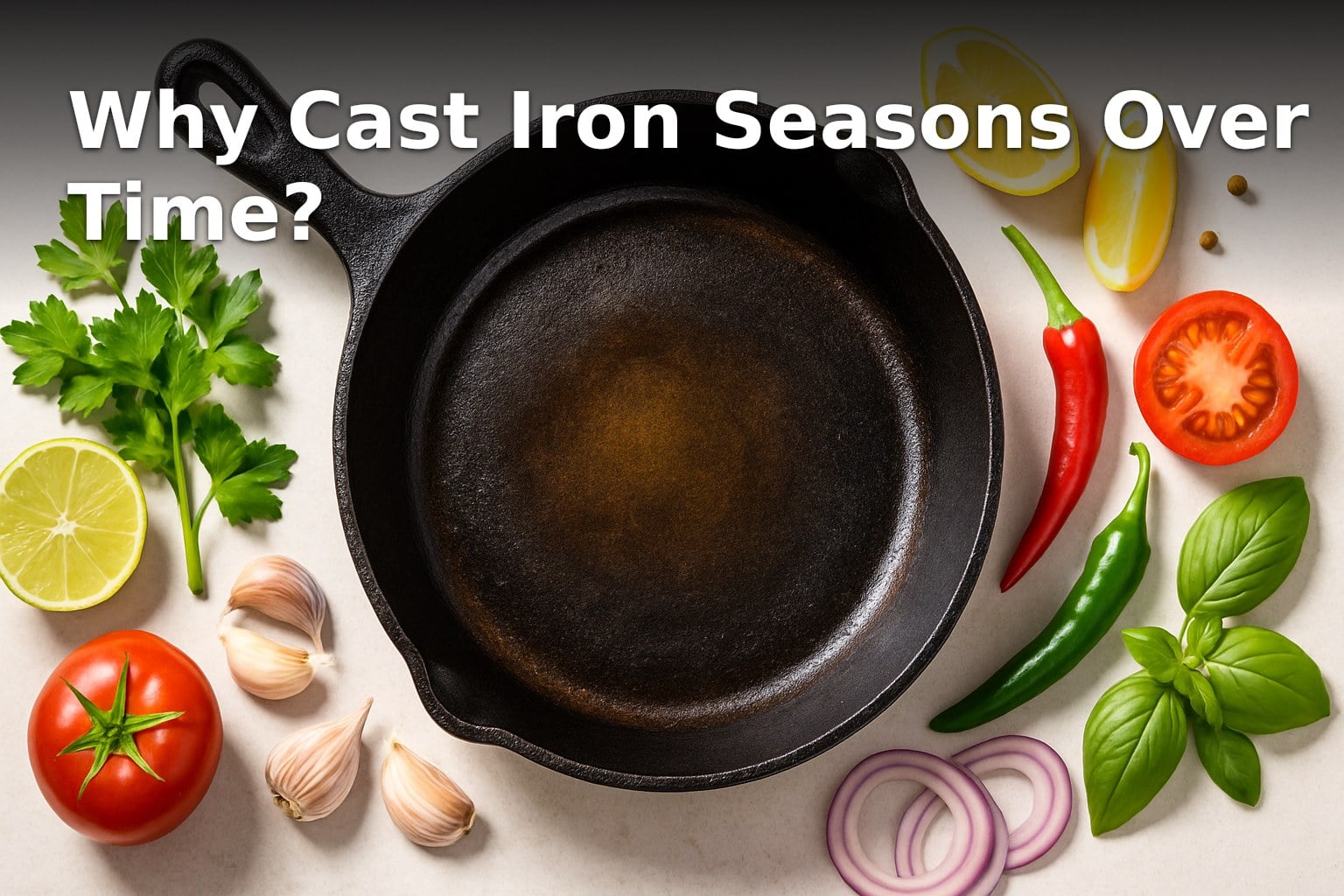
Cast iron cookware develops a distinctive dark, smooth surface over time that's called seasoning, and this transformation is actually one of the most practical examples of chemistry at work in your kitchen. When you cook with cast iron and expose it to heat, something remarkable happens at the molecular level. Oil or fat gets absorbed into the microscopic pores of the metal's surface, and when exposed to temperatures above the oil's smoke point, those molecules undergo a chemical transformation called polymerization. This is the same process that happens when paint dries or lacquer hardens, except it's occurring naturally on your cookware.
The reason this matters is that polymerization creates a hard, almost plastic like layer that bonds directly to the iron itself. This isn't just oil sitting on top of the surface like a coating of grease. Instead, the oil molecules actually break down and recombine into long chains that fuse with the metal at a deeper level. Every time you cook with fat or oil in a cast iron pan, you're potentially adding another microscopic layer to this seasoning. Over months and years, these layers accumulate into what cooks describe as patina, a slick, dark, nonstick surface that improves with use.
What makes this process so interesting is that it's permanent and cumulative in a way that modern nonstick coatings simply aren't. A seasoned cast iron pan gets better with age because each layer of polymerized oil contributes to the nonstick properties and also absorbs into the iron's structure itself. This is why cast iron skillets passed down through families often cook better than brand new ones. The pan hasn't just acquired a coating; it's been fundamentally altered by decades of cooking.
Different oils create different results during seasoning based on their smoke points and composition. Oils with high smoke points, like grapeseed oil or avocado oil, are considered ideal because they can be heated to higher temperatures without breaking down prematurely. Cast iron develops its seasoning fastest at temperatures around 450 to 500 degrees Fahrenheit, which is hotter than most everyday cooking but achievable during oven seasoning or high heat cooking like searing meat.
The smoother and darker your cast iron becomes, the more polymerized layers have successfully bonded to it. This smooth surface actually reduces friction between food and pan, creating genuine nonstick properties without any synthetic coating. Home cooks with well seasoned cast iron often report that eggs slide around their pans without sticking, which would be impossible with unseasoned cast iron or even with newly manufactured pans right out of the box.
Understanding this chemistry helps explain why cast iron care traditions exist: avoiding excessive water and scrubbing preserves the seasoning layer, while regular cooking with fat and occasional oven seasoning maintains and builds upon the existing patina. Your grandmother's favorite skillet isn't just emo