Plant-Based Protein Sources Guide
Visual guide showcasing 25 nutrient rich plant based protein options for vegetarian and vegan dietary choices.
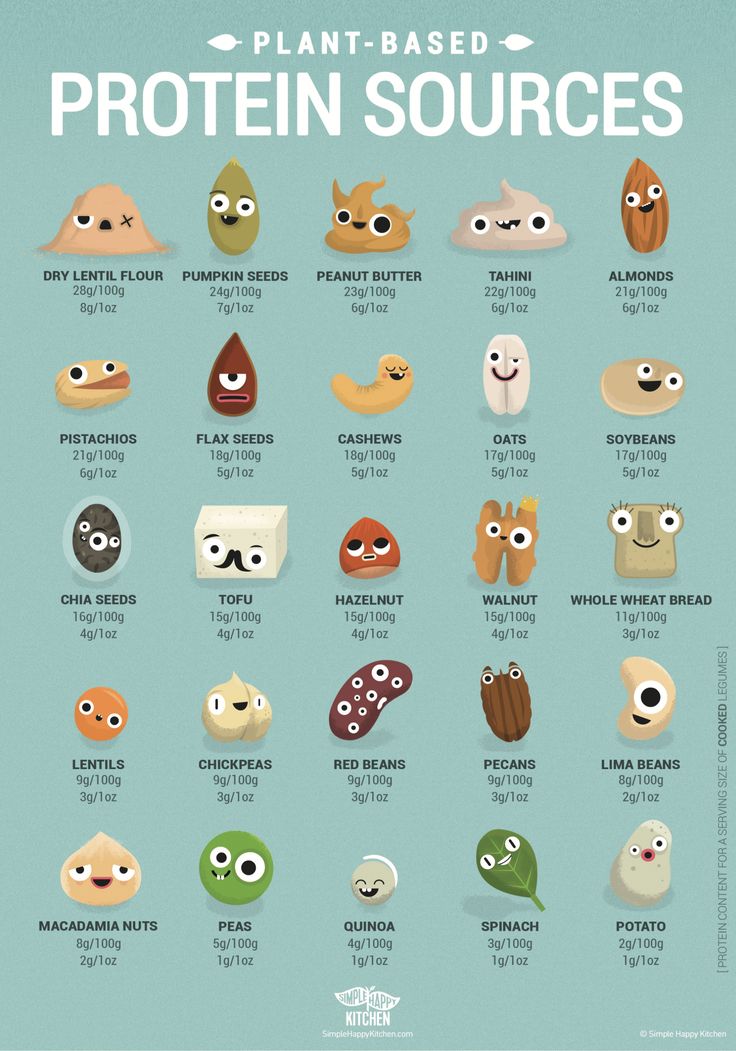
A comprehensive visual guide displaying 25 plant-based foods with their protein content per 100g serving, including legumes, seeds, nuts, grains, and vegetables.
Discover 25 nutrient-rich plant-based protein sources to fuel your wellness journey. From legumes and seeds to whole grains and nuts, these natural options provide essential protein for any dietary preference.
This plant-based protein sources guide presents 25 nutrient-dense foods with precise protein content measurements per 100 grams. The chart includes dry lentil flour (25g protein), pumpkin seeds (24g), peanut butter (25g), tahini (21g), and almonds (21g) in the top row. Secondary options feature pistachios (20g), flax seeds (18g), cashews (18g), oats (17g), and soybeans (11g). Additional sources include chia seeds (16g), tofu (15g), hazelnuts (15g), walnuts (15g), and whole wheat bread (8g). Legumes appear prominently with lentils (25g), chickpeas (19g), red beans (9g), pecans (9g), and lima beans (9g). Completing the selection are macadamia nuts (8g), peas (5g), quinoa (4g), spinach (3g), and potato (2g). This visual resource serves plant-based eaters seeking diverse protein options beyond traditional sources. Health tips from CreativiTree Hub your newest digital resources for success,fulfillment and self improvement!
Questions & Answers
How many plant-based protein sources are included in this guide?
The guide includes 25 nutrient-rich plant-based protein sources.
What types of plant-based foods are covered in this guide?
The guide covers legumes, seeds, whole grains, and nuts as plant-based protein sources.
More posts by Andresito Planilla →
Read on Yesodi → Join Yesodi →