The Venue Test That Matters Before Buying Moving Head Lights
By weiyi weiyi · 2026-11-05
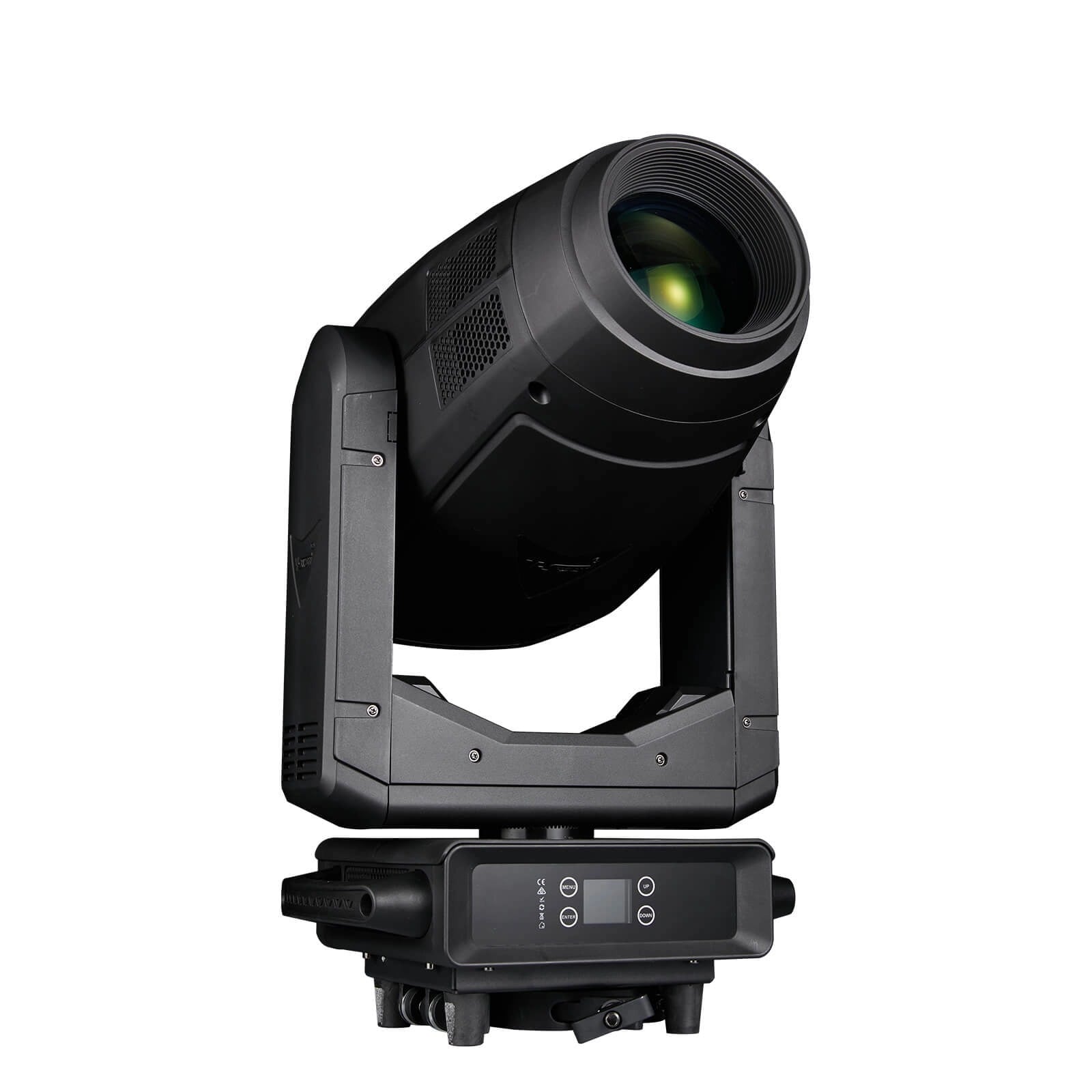
Overview
Two moving heads can look almost identical in a product video and behave very differently when rigged six metres above a stage. One gives a clean beam through haze; another loses output at the edges. One moves smoothly at slow speed, while the other makes visible corrections during a quiet theatrical cue. Lighting buyers should evaluate the fixture in the type of room where it will be used. A nightclub, touring rig and corporate event venue have different requirements, even when the brochures advertise similar wattage and effect lists.
Practical considerations
A moving head light manufacturer should provide photometric data that identifies the measurement distance and beam angle, not only a peak lux figure. Peak intensity says little about beam uniformity or how a fixture handles different colour settings. Ask for video of slow pan and tilt movements and look at colour consistency between multiple units. If a fixture has gobos, check their sharpness across the useful focus range and whether replacement parts are accessible. For touring stock, the quality of clamps, handles, flight-case support and service documentation matters alongside the optics.
Outdoor use needs a separate decision. Fixtures advertised for rain-prone events should have clearly stated ingress-protection ratings and maintenance requirements, but no rating eliminates the need for correct cable connections and safe rigging. Temperature, condensation and repeated exposure to dust can affect a light long after a short demonstration has ended. Request the actual operating limits and check whether the enclosure can be serviced without compromising seals. A rental company also needs to know how fast an individual fan, lens or electronic module can be replaced during a turnaround.
A stage lighting manufacturer China may offer several types of fixtures: beams, washes, profiles, strobes and effect lights. Resist ordering an entire package based only on the variety in a catalogue. Build a lighting plot first, then calculate positions, throw distances, available power and DMX or network control requirements. Dimming quality should be tested at low levels, especially for cameras and theatrical scenes. Flicker behaviour can vary with shooting frame rate and shutter settings, so events involving video production deserve dedicated tests.
Commissioning reveals the problems that specification tables miss. Label each unit, confirm addressing, verify pan and tilt orientation, and test every fixture's response to a power cycle. A show file built for one firmware version may not behave identically after a supplier update. Record firmware and fixture mode with the inventory. Keep a few spares of the components most likely to interrupt a performance, and make sure the operator knows how to isolate a failed unit without taking down the control network.
Rigging is a safety-critical part of the decision. Confirm fixture mass, mounting points, approved clamps and secondary-suspension requirements under local practice. The electrical team should calculate circuit loading and inrush behaviour for the planned quantity of lights. A single show may use dozens of fixtures, so repeated small omissions can become serious when multiplied across the rig.
VSHOW lists moving heads and other professional stage-lighting products. Buyers can use its range to shortlist fixture types, then ask for full specifications, a relevant demonstration and evidence of service support. The expensive mistake is not buying a light with one fewer effect. It is buying a fixture that looks convincing in a promotional clip but cannot deliver repeatable cues in the actual venue.