Blackout Curtain Orders Need a Light Test, Not Just a Fabric Swatch
By weiyi weiyi · 2026-11-05
Overview
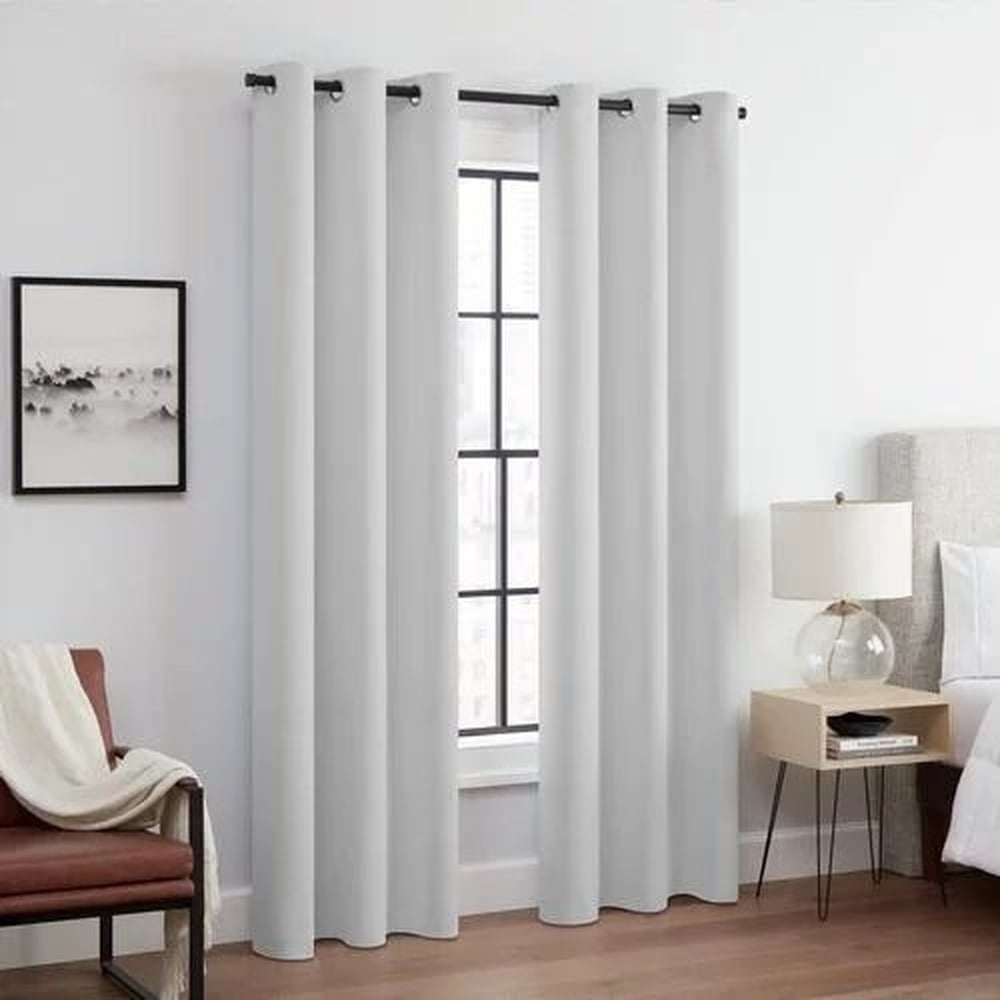
In a hotel bedroom, a curtain that looks heavy enough can still leave the room bright at sunrise. Light slips through the fabric weave, around the side edges and along the top where the track meets the ceiling. These are different problems. A fabric can have strong light-blocking properties while the installed curtain performs poorly because the hardware and dimensions were not designed for darkness. Buyers should separate fabric performance from the complete window-treatment system before approving a large order.
Practical considerations
A blackout curtain fabric manufacturer China should clarify how blackout performance is achieved. Some fabrics use dense construction; others rely on coatings, laminations or additional backing layers. These choices influence handle, weight, flexibility and care requirements. Request the test method behind any light-blocking percentage and ask to see a full-width hanging sample against a strong light source. Small swatches can hide pinholes, edge effects or variations in coating. Also check the fabric's behaviour after folding and cleaning, because a material that looks excellent when new may crease or stiffen in service. Maintenance instructions should distinguish normal dust removal from washing or dry cleaning. Some coated blackout fabrics cannot be treated like ordinary decorative cotton. If the final customer uses the wrong method, the backing may deteriorate or the layers may separate. Clear care labels reduce the risk of a perfectly acceptable fabric failing after its first cleaning.
Construction details make a difference in finished curtains. A heavyweight fabric may require a stronger header and suitable track, particularly over large spans. If the material has a coated back, sewing needles and repeated folds can affect the surface. Ask the workroom to test the selected stitching and heading method before cutting production yardage. Fullness should match the desired appearance and the available stack-back space; too much fabric can block part of the window when open, while too little may show gaps when closed. Finished height also needs to account for the chosen track and floor clearance. Colour consistency is important for projects fitting many rooms. Approve samples under the property's actual lighting conditions and compare rolls from different production lots. Fabric orientation can change the way a texture reflects light. If a project requires flame-performance documentation, verify the exact market and standard involved and obtain test reports for the final supplied construction. A generic statement that the fabric is “fire retardant” does not establish which requirements it satisfies. Changes to backing, coatings or dyes may affect the test status and should trigger a review.
Curtain fabric shipping creates its own risks. Wide rolls need protection from crushing and moisture, and the packaging should state width, length, colour and batch clearly. Workrooms need to know whether the product has a face direction or permissible join locations. If the fabric is supplied to several contractors, one approved sample and specification sheet should be used across the whole project. Otherwise, small differences in colour, seam placement or header construction can become obvious when rooms are inspected together.
Kouzi's curtain-fabric website is a starting point for wholesale sourcing and specification review. Provide the room type, desired blackout performance, finished curtain design and the standards applicable to the destination market. A full-size mock-up in one representative room remains the safest approval method. It shows whether the proposed fabric, lining, hardware and installation actually deliver the experience guests or homeowners expect.