Choosing Window Furnishings for Melbourne Rooms That Change With the Light
By weiyi weiyi · 2026-11-05
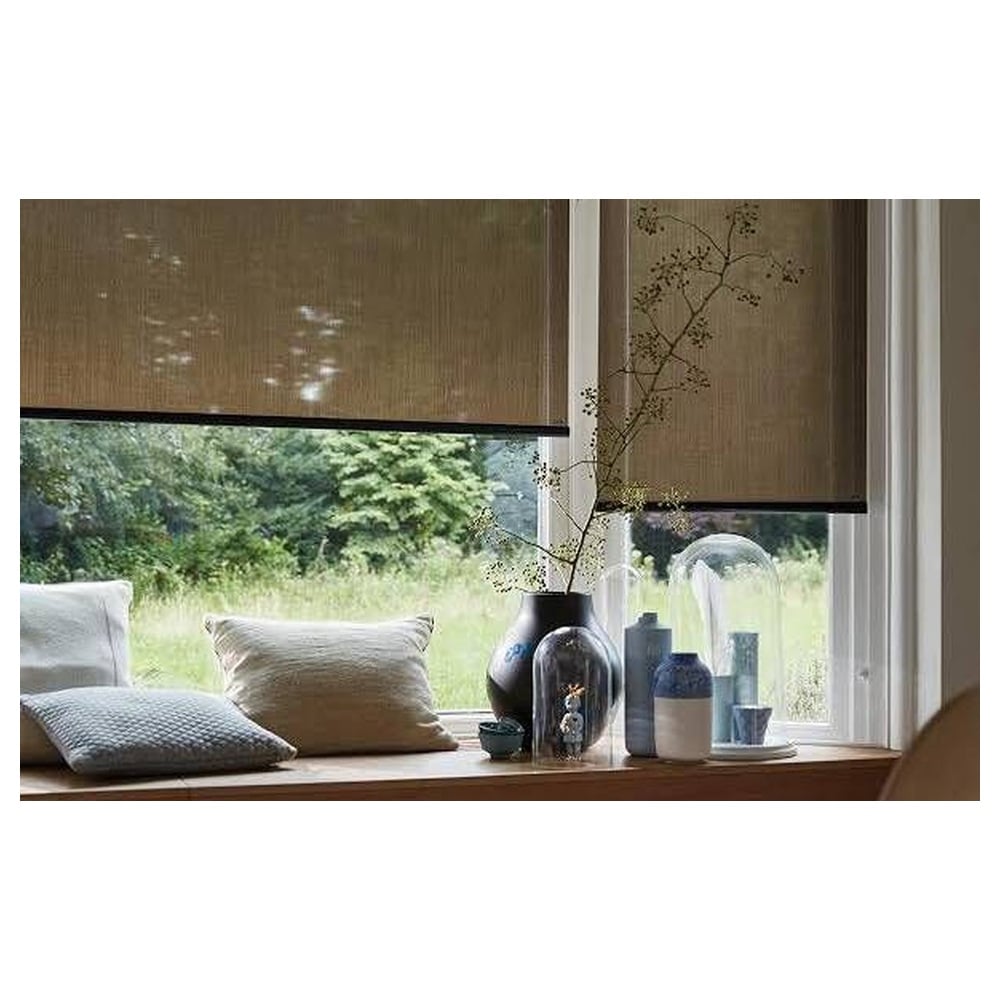
Overview
A Melbourne living room can be bright at breakfast and uncomfortably warm by late afternoon. In the same house, the bedroom may need complete privacy after dark while still feeling light during the day. Window furnishings solve different problems depending on orientation, nearby buildings and how the room is used. That is why fabric colour alone is a poor starting point. Before a measure-and-quote appointment, note which windows receive direct sun, where screens or furniture sit, and what matters most: privacy, glare control, insulation, darkness or simply a softer finish.
Practical considerations
For custom made roller blinds Melbourne, measurement precision affects both appearance and operation. Inside-mount blinds need enough depth for brackets and the rolled fabric, while outside-mount options may give better coverage where a recess is shallow. Ask the installer to explain side gaps and the effect of different fabric types. A blockout fabric does not create a completely dark room if light leaks around the edges. Chain controls, motorisation and child-safety requirements also deserve attention. A tidy blind is only successful if the household can use it comfortably and safely every day.
Soft curtains address a different part of the brief. S wave curtains Melbourne are popular for their consistent folds, but the appearance depends on track length, fabric fullness, stack-back space and ceiling height. If the track is too short, the curtain can cover part of the glass even when open. If the fabric is too stiff, the intended wave may not hang well. Request a sample big enough to show the drape rather than judging by a tiny swatch. In rooms with sliding doors, discuss where the fabric will gather and how it will avoid handles or frequent foot traffic. Shutters can provide strong architectural definition, though their suitability depends on window style and clearance. Timber and composite materials respond differently to moisture and heat; kitchens, bathrooms and sun-exposed windows need appropriate product selection. Check slat clearance near taps, handles and window winders. The installer should also identify any access needs for opening the underlying window. A beautiful shutter fitted over hardware that cannot be reached is a daily irritation, and fixing it may involve reworking the frame after installation. For street-facing rooms, privacy changes with time of day. A sheer fabric may obscure the view inward during daylight but offer less privacy when interior lights are on after sunset. Try the intended layers at night as well as during the afternoon, particularly if nearby apartments overlook the window. That small test often changes the decision about linings or secondary blinds.
Styleline House offers window-furnishing options for the Melbourne market. A useful consultation starts with photographs, approximate measurements, room use and the problems the current coverings fail to solve. The final selection should make the windows easier to live with rather than forcing every room into the same style. A bedroom's blockout requirements and a living room's view are different problems, and they usually deserve different solutions.
A good quotation should specify fabric, colour, lining, track or hardware system, mounting method and installation conditions. Ask how manufacturing tolerances and site variations are handled. For large windows, consider whether a single panel or blind is practical to operate and service. Light-control claims are best assessed with a physical sample held against the window at the relevant time of day. The home's lighting can make the same material look dramatically different from the showroom sample, especially alongside warm timber or cool painted walls.