Pet Food Lines Should Be Designed Around the Recipe, Not the Machine List
By weiyi weiyi · 2026-11-05
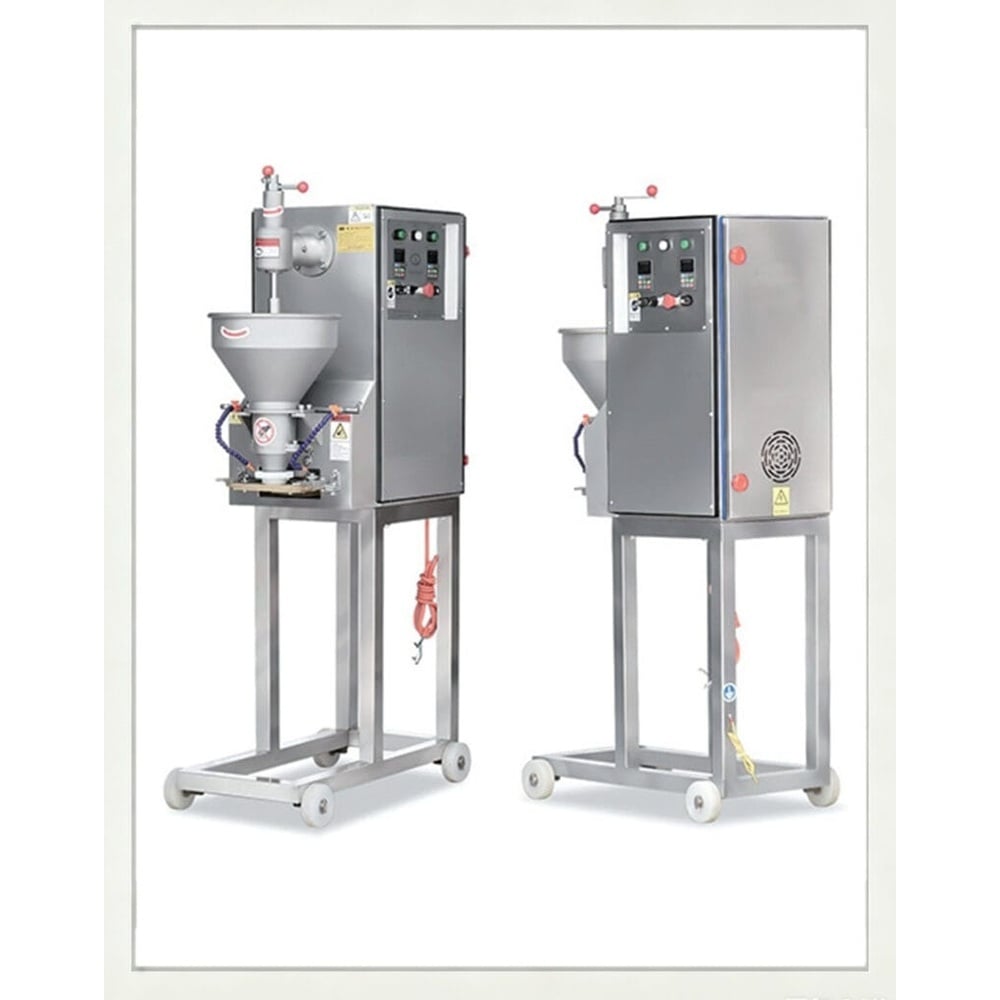
Overview
A pet food factory may start with a catalogue of machines and discover later that the line does not handle its recipe well. Fresh meat, frozen ingredients, broth, vegetables and dry powders behave differently during cutting, mixing and transfer. The right equipment depends on whether the final product is a canned wet food, a pouch meal, a dry kibble or a freeze-dried treat. Before collecting quotations, define the product format, target capacity, ingredient condition, hygiene requirements and process steps. Otherwise, an impressive-looking production line may include expensive machines that solve the wrong problem.
Practical considerations
For a wet pet food production line, the desired particle size and texture should influence preparation equipment. Frozen meat may require tempering or cutting before grinding, while some recipes need controlled mixing to distribute ingredients without destroying visible pieces. Pumpability matters if the product travels through pipes, and viscosity changes with temperature. A supplier should ask whether the product is chunky, minced or smooth and what percentage of liquid is used. These details determine the suitability of grinders, mixers, transfer systems and filling arrangements.
A trial with the actual ingredients is more reliable than one using water or an unrelated meat paste. Recipe trials should document the ingredient temperature and preparation state. A grinder that handles chilled meat may behave differently with partially frozen blocks, and a mixer that works well with one fat level can perform poorly with another. Preserve that information alongside throughput data so the factory can reproduce the successful trial after commissioning rather than chasing a one-off result.
Hygiene must be built into the layout rather than added after machines arrive. Examine food-contact materials, drainage, dead zones, seals and how easily each machine can be disassembled for cleaning. Where thermal processing or other preservation methods are required, the process must be developed and validated by qualified food-safety specialists for the product and package. The machine supplier can provide equipment specifications, but it should not be expected to replace the manufacturer's responsibility for a safe food process. Allergen handling, raw and finished product separation and traceability should be planned at the same time.
A pet food machinery manufacturer should also discuss throughput honestly. The capacity of an individual grinder does not establish the capacity of the complete line. Weighing, loading, filling, cleaning and changeovers may be the bottlenecks. Ask for a flow diagram with expected rates at each station and allowances for normal cleaning and setup. If several recipes share the line, assess what must be changed between products and how much material remains in the equipment after a batch. Yield losses can become costly when premium ingredients are used.
Utilities and labour requirements determine whether the proposed line is practical. Request a list of power, water, compressed air, steam or cooling needs where applicable. Walk through the operator positions and maintenance access. A machine that needs frequent manual intervention may work during a demonstration but become difficult to staff on a two-shift schedule. Spare parts and local service coverage also matter. A failed seal or sensor can stop production, so establish critical-spares lists and clear support arrangements before commissioning.
LongerFM provides pet food and meat-processing equipment categories, including wet-food applications. The strongest project brief contains sample recipes, ingredient properties, required output, package types and a site layout. Ask the supplier to identify process assumptions and to run trials on the critical preparation steps. A well-matched line makes the recipe repeatable, supports hygiene and leaves room for operators to clean and maintain it without unnecessary disruption.