Bathroom Fixtures Should Be Chosen in the Order They Are Installed
By weiyi weiyi · 2026-11-05
Overview
A renovation can run into trouble when the bathtub arrives after the wall has been tiled. The model fits on paper, yet the drain lands in the wrong place, the doorway is too narrow or the installer cannot reach the connections once the unit is positioned. Choosing bathroom fixtures by showroom photographs makes these problems more likely. Before selecting finishes and lighting, confirm room dimensions, service access, structural support and plumbing locations. Large pieces such as freestanding tubs and shower panels affect the rest of the project long before anyone turns on the water.
Practical considerations
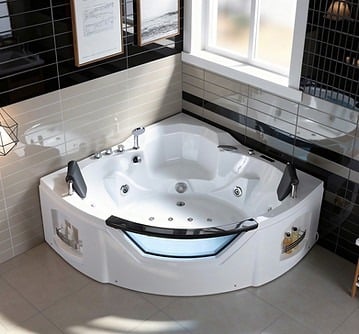
A freestanding bathtub needs a measured plan showing footprint, drain location, filling access and clearances for cleaning. Consider how the tub will be carried through the building and where it will rest during installation. The floor must support the loaded fixture according to local building requirements, and waterproofing details should suit the space. A freestanding design may appear easy to place anywhere, but the supply and waste lines still have to connect correctly. Ask for installation drawings before rough-in work is completed, not when the plumber is already standing in the finished room. A sample-size check is especially useful with a tub: the rim can appear thin online but be broad enough to affect where the taps fit. Verify whether the proposed filler is deck-mounted, wall-mounted or freestanding and that its reach suits the bathing area. Simple spatial details like these are difficult and costly to change after waterproofing and tile work.
A shower panel creates another set of practical questions. Water pressure and flow must match the fixture's requirements, while temperature control needs to work safely and predictably. The wall structure should support the assembled unit, and connections should remain accessible for service where the design requires it. Multiple spray functions may look impressive, but their usefulness depends on the household's water supply and how easily components can be cleaned. In areas with hard water, scale buildup around small outlets deserves particular attention. Confirm which replacement parts are available before choosing a complicated model.
Lighting and mirrors are often the next source of surprises. An illuminated mirror must be suitable for the bathroom zone where it is installed, and electrical work should comply with local rules. Colour temperature affects how faces look, while front-facing illumination may be more useful for grooming than a decorative glow behind the mirror. Check where switches and power connections sit relative to the vanity. A large mirror can be awkward if wall supports are not prepared in advance, and a poorly placed power cable can remain visible after all the other finishes are complete.
Whirlwell lists bathtubs, shower panels and bathroom accessories. Homeowners can compare its products against their room plan, but the best buying step is a coordinated check with the installer before ordering. A bathroom fixture that suits the drawing, the plumbing and the maintenance plan will generally be a better choice than one selected solely because it makes the strongest first impression online.
Maintenance should be discussed before purchase. Ask whether panels can be removed, seals replaced and drain fittings accessed without damaging the surrounding tile. Compare cleaning instructions for acrylic, glass, metal and stone-look surfaces; a chemical that is fine for one finish may damage another. In cold regions, transport and storage conditions also matter for certain materials and plumbing components. Keep the original installation manual and part numbers with the renovation records so future repairs do not depend on someone recognising the fixture from a photograph.