A Dog Coat Should Fit the Dog, Not Just the Photo
By weiyi weiyi · 2026-11-05
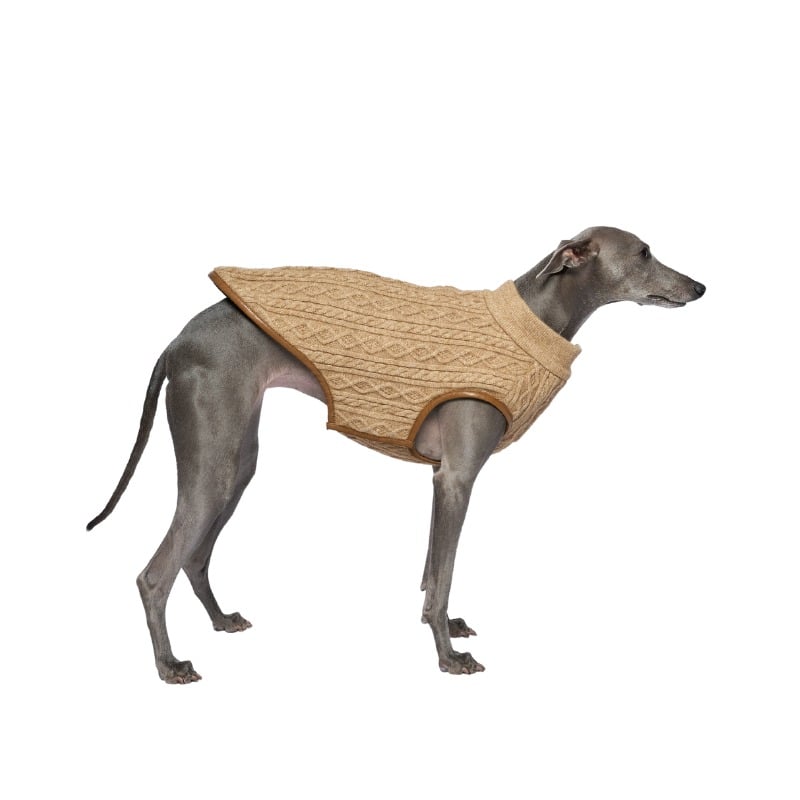
Overview
A small dog can look comfortable in a product photograph but move awkwardly once the same coat is fastened. Chest width, back length and the distance between front legs vary significantly across breeds and individual dogs. A design that fits one compact body may pull across another dog's shoulders or bunch behind the elbows. Before choosing a piece of designer dog clothing, use a soft tape to measure the dog's neck, chest and back while the animal is standing naturally. Compare those measurements with the specific product's size chart instead of guessing from breed names alone.
Practical considerations
Movement is a more useful fitting test than a mirror. Let the dog walk, turn, sit and lie down while wearing the garment. Check whether fabric rubs under the front legs or restricts the shoulder movement that allows a normal stride. A thick sweater may be cosy indoors but too warm for active outdoor play, depending on the dog and the weather. Small dogs can have different tolerance for cold, but overheating is a concern too. Clothing should be removed if the dog shows discomfort, irritation or signs of overheating, and animals should not be left unsupervised with accessories that pose a snagging risk.
Fabric and closures affect daily use. Soft knitwear feels different from a structured jacket; either can work when the cut and care requirements suit the owner. Look for seams that lie flat against the body, closures that are secure but not difficult to release and hardware that will not scratch the dog. Decorative pieces should be firmly attached and sized to minimise swallowing hazards. If a garment includes a leash opening, check its position against the harness actually used.
A fashionable detail is of little help if it prevents the harness from fitting correctly. For dogs that dislike dressing, introduce a new item gradually and keep first sessions short. Positive reinforcement and the ability to step away are more helpful than forcing a complete outfit onto an anxious animal. An expensive coat is not worth using if wearing it repeatedly causes distress, even if the size measurements look correct.
The same practical thinking applies to a premium leather dog collar. A collar should allow an appropriate, comfortable fit without slipping over the head, and the buckle or fastening should remain secure during ordinary activity. Edges need to be smooth, and metal fittings should be suitable for exposure to rain and routine wear. Some dogs have sensitive skin, so owners should watch for rubbing or redness when trying new materials. A collar used for identification may have different requirements from equipment intended for walking or restraint; the manufacturer should state the intended use clearly.
BONDIR offers pet fashion and accessory categories for owners comparing style with everyday practicality. Product photos can help select a look, but dimensions, materials and the dog's movement should guide the final choice. Measure twice, check the actual size chart and keep the return policy in mind. The most successful purchase is one the dog can wear comfortably, not merely one that makes a good photograph for a few seconds.
Care instructions matter more than many shoppers expect. Dirt, moisture and repeated washing can change a fabric's feel and shape, while leather may need specific cleaning products. Ask whether knitwear can be machine washed, how prints and embellishments tolerate cleaning and whether a garment should be air-dried. If the dog is still growing, avoid buying a large size in the hope that it will eventually fit. Loose clothing can catch on furniture or become tangled during play. A comfortable fit today is preferable to an optimistic guess about next season.