A Range Hood for Stir-Frying Has to Capture Smoke, Not Just Move Air
By weiyi weiyi · 2026-11-05
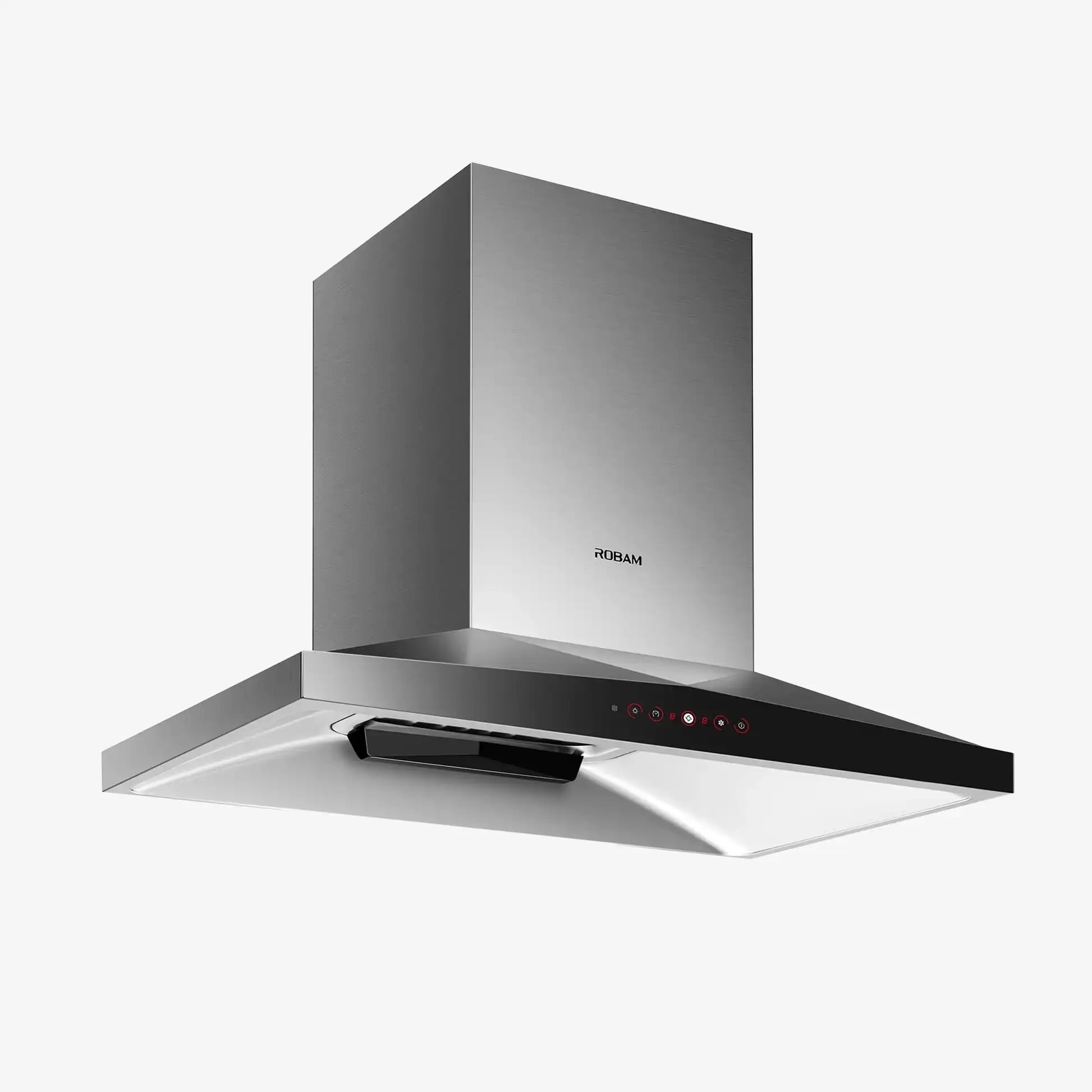
Overview
Stand near a wok at full heat and the weakness of an undersized hood becomes obvious. The plume rises quickly, spreads when a cook moves the pan and can spill beyond the front edge of the appliance. A specification sheet may advertise a large airflow number, yet a shallow hood mounted too high can still leave grease and odours in the room. The important question for a Chinese-style kitchen is how reliably the hood captures the cooking plume at the installed position, not simply how fast its fan can run in a test chamber.
Practical considerations
Homeowners looking at a Range hood Canada option should measure the cooktop, cabinet opening and actual duct route before choosing a model. Width matters, but so do depth, capture area and the distance from the cooking surface. Follow the manufacturer's installation limits, the cooktop's clearance requirements and applicable local codes. A hood that fits the cabinet opening may not be suitable for a powerful gas range if its capture design and ventilation system are mismatched. Keep the planned cooking style in the discussion rather than treating every household as a light-duty kitchen.
Ductwork can remove much of a fan's theoretical performance. A long run, narrow pipe, excessive elbows or restrictive exterior termination increases resistance and can make the fan noisier. Where the home permits, a short and appropriately sized exhaust route is preferable. Backdraft dampers should operate freely, and the installer should check how the system performs with windows and doors in normal positions. High-capacity exhaust may also require make-up air under local code or the appliance's instructions. That issue is particularly important in tightly sealed homes and houses with combustion equipment. Another useful check is to place a large pan on the front burner and observe where rising steam travels. This is not a substitute for a formal ventilation assessment, but it can reveal whether the hood projection covers the normal cooking position. Side cabinets and nearby windows may affect the plume, so plan the installation around the real kitchen rather than an isolated showroom wall.
Noise figures need context. Manufacturers may quote sound levels at different fan speeds and measurement distances, so comparing two numbers without reading the test conditions can be misleading. Ask to hear the hood at the speed likely to be used for everyday cooking. A quieter medium setting that captures most routine smoke may be more useful than an impressive maximum setting that nobody wants to run. Controls should be reachable while cooking, and lighting should illuminate the rear burners as well as the front of the cooktop.
Robam Canada presents range hoods and other kitchen appliances for the Canadian market. Its listings are useful to compare hood formats, but the final choice should be checked against the kitchen plan, installation drawings and the actual duct path. A contractor who can explain capture area, venting and maintenance requirements is more valuable than a brochure promising the largest airflow figure. For heavy stir-frying, good fit and good installation have to work together.
Grease management is another practical test. In a kitchen that cooks oily food regularly, filters and collection parts need to be easy to remove, wash and refit without tools or sharp edges. Check whether the proposed unit has accessible replacement parts and a clear maintenance schedule. A greasy filter adds resistance, increases cleaning time and can become a safety concern if neglected. Buyers comparing the best range hood Canada choices should therefore ask about service access and parts support in their province, not only showroom appearance.