A Can Body Welder Has to Match the Rest of the Line
By weiyi weiyi · 2026-11-05
Overview
A new welder can be fast on its own and still slow the production line if the upstream blanks arrive inconsistently or the downstream seamer cannot keep up. Three-piece canmaking is a linked process, not a collection of independent machines. When purchasing equipment, buyers need to consider blank preparation, forming, body welding, coating, curing, flanging, beading, necking and leak testing as a connected flow. The actual sequence varies with the product and can design, but every transfer point must be checked for compatibility and line balance.
Practical considerations
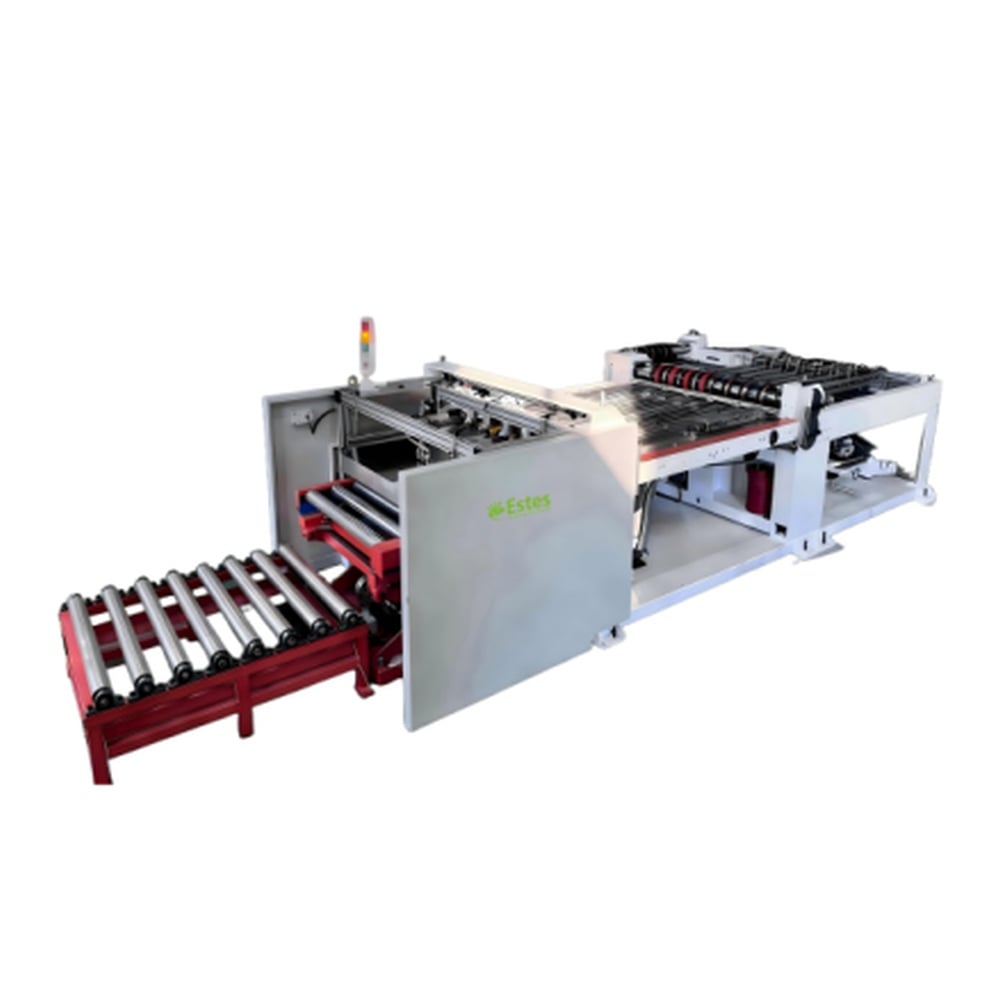
A can body welder enquiry should start with can diameters, heights, sheet material, coating type, target seam quality and the production speed required after normal stoppages. The supplier needs to know the body blank tolerance and the condition of incoming edges. Welding performance is influenced by material and electrode condition, while poor upstream preparation can create defects that look like a welder problem. Ask for sample production using representative tinplate or other specified material. Inspect the seam and downstream forming performance rather than accepting a machine-speed demonstration with easy test pieces.
A 3-piece can production line also needs dependable handling between stations. At high speed, a small difference in pitch or guide adjustment can lead to dents, jams and frequent operator intervention. Ask the manufacturer to describe transfer methods and how the line handles changeovers. If the factory makes several can sizes, record the expected changeover frequency and the parts required for each size. A fast line with an hour of adjustment between short runs may deliver less useful output than a somewhat slower setup with stable repeatability.
Golden Eagle Can Machinery lists equipment including smart can body welders and related canmaking machines. Buyers can use the range to define a project, then request a line layout, speed assumptions, product-changeover plan and acceptance criteria. The decisive question is not how fast one machine runs in a showroom video. It is how many acceptable cans the complete line can produce reliably over the expected shift pattern.
Quality control should reflect the intended end use. Food cans, aerosol cans and general metal packaging have different performance and regulatory requirements. Leak-test settings, pressure testing, seam inspection and coating checks must be selected for the specified container. If welded seams receive protective coating, confirm application and curing conditions, and verify compatibility with downstream processes. A finished can that passes one test may still fail in transportation or during filling. The acceptance plan should define a representative production run and include inspection after the relevant later operations.
Installation planning is often underestimated. Machines may require compressed air, cooling water, electrical power, extraction, foundations or safe operator access. Ask for a utility list and layout early enough to prepare the site. Spares should cover wear components and any critical items with long delivery times. Training should include safe start-up, ordinary adjustments, fault diagnosis and restart procedures. A maintenance team needs clear drawings, not only a control-panel demonstration. The commissioning schedule should allow realistic products and shift conditions to be tested before final acceptance. A quotation should also distinguish nominal speed from sustained output after cleaning, size changes and scheduled maintenance. Ask for the expected scrap points and how rejects are removed from the line without stopping every downstream machine. Practical acceptance data should include the duration of the trial and the proportion of cans meeting the agreed specification.