Glass Furnace AZS Bricks Have to Match Their Installation Zone
By weiyi weiyi · 2026-11-05
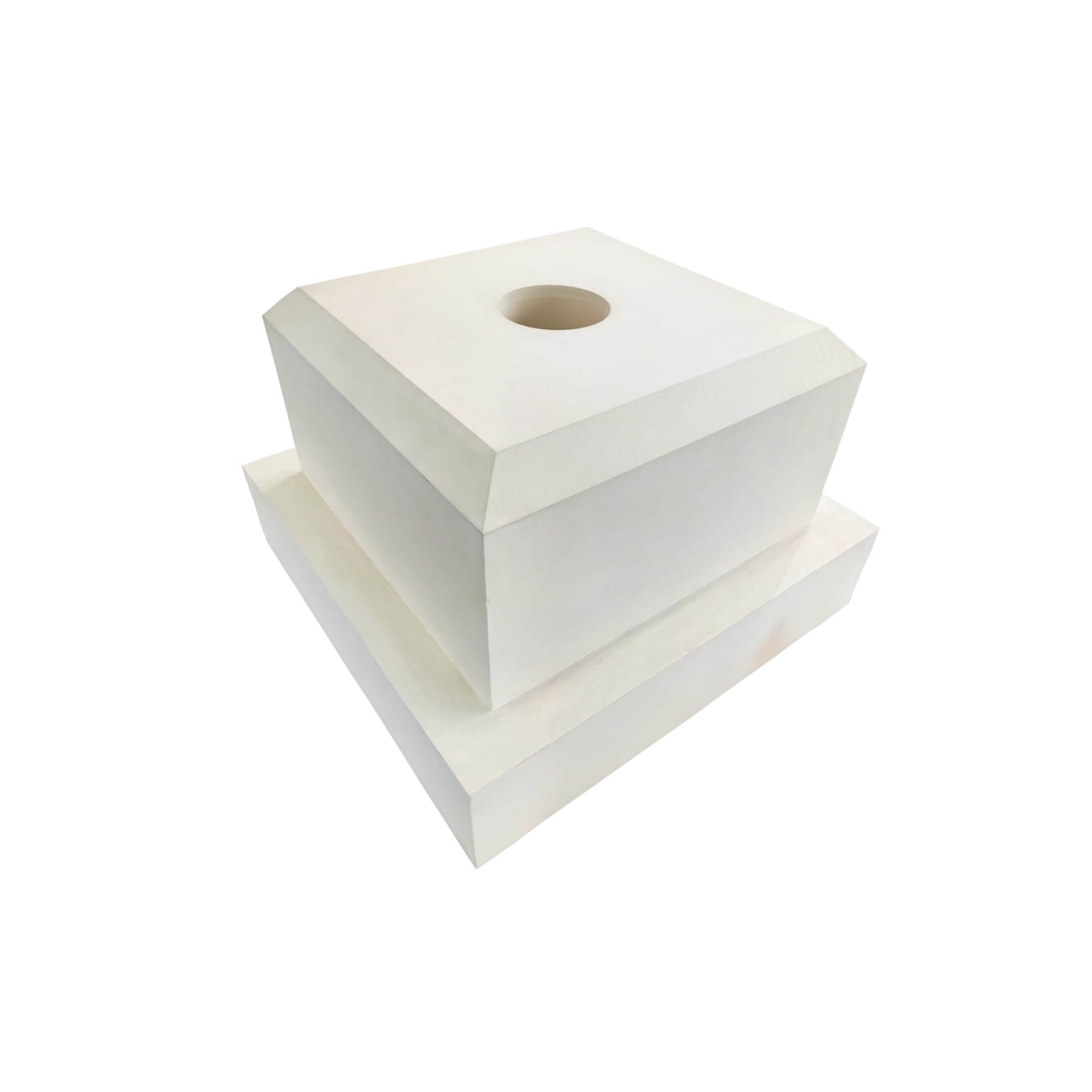
Overview
A furnace refractory problem may begin with an apparently small decision: the same brick grade is specified across zones that see very different temperatures, glass contact and thermal movement. Fused-cast AZS bricks are widely considered for demanding glass-furnace areas, but selecting a grade by its number alone is not enough. Tank sidewalls, paving blocks, throats and other furnace locations face different combinations of chemical attack, mechanical wear and thermal stress. A proper specification starts with the glass composition, furnace design, operating schedule and where each block sits.
Practical considerations
When discussing glass furnace refractory materials, ask for more than a product catalogue. Provide the furnace drawing, target temperatures, campaign expectations and details of glass chemistry. Refractory behaviour can change with alkali content, molten-glass movement and local hot spots. The choice among AZS grades such as 33, 36 and 41 is a technical decision involving corrosion resistance, casting characteristics and budget, with different implications in different zones. A higher number should never be treated as a universal guarantee of longer service life. The supplier needs to understand the complete zone before recommending a material.
An electrofused refractory manufacturer should also explain the block-production route and how it controls defects. Casting, cooling and machining influence internal structure, dimensions and finished surfaces. Ask which inspection methods are used for cracks, cavities and dimensional tolerances, and how critical faces are identified. Some hidden characteristics cannot be judged by visual inspection alone. Review the applicable product specification and request representative inspection records. If a block will be machined to a special drawing, verify that the final geometry and machining allowances are practical before tooling begins.
Installation geometry deserves the same attention as material selection. Joint width, neighbouring materials, expansion allowances and support conditions must suit the furnace design. A block that meets its factory dimensional inspection can still cause installation trouble if the drawings used by the supplier and contractor are not aligned. Large cast blocks are also heavy and vulnerable to handling damage. Crating should protect machined edges, and each piece should carry an identification mark that connects it to its position in the furnace. Discovering a mixed shipment during a shutdown can cost far more than a small difference in purchase price.
Commissioning and heat-up procedures affect refractory survival. New installations and repairs need the appropriate drying, heating and movement allowances as established by the furnace designer. Sudden thermal changes can damage materials that are perfectly suitable during steady operation. If an existing furnace failed early, inspect the location and operating history rather than simply ordering the same block again. Photographs, glass chemistry changes and furnace-temperature records can help distinguish a material-selection issue from an installation or process problem. A repair programme may require blocks to match existing geometry rather than a new standard design. Dimensional scanning of the old components and coordination with the furnace contractor can prevent assumptions from being carried into the manufacturing drawing. If the damaged part has changed shape during service, use the original design basis as well as field measurements.
Fasin Refractory presents fused-cast AZS and glass-furnace products. A useful enquiry includes the brick list, drawings, zone designations and expected operating conditions. Ask for dimensional inspection plans and a packing scheme that matches the installation sequence. The best refractory order is not the one with the shortest quotation; it is the one that arrives identifiable, fits the furnace and can be installed without hurried changes during a costly shutdown.