Apartment Intercom Projects Start With the Wiring Plan
By weiyi weiyi · 2026-11-05
Overview
Residents usually judge an intercom by how easily they can answer the door. Property managers notice different issues: unanswered calls, lost access credentials, difficult visitor management and failed devices at remote entrances. An upgrade that looks simple in a brochure can become a major construction project if the existing cabling and network conditions are ignored. Before selecting an indoor monitor or outdoor station, map the building: number of entrances, apartments, lift access points, gate equipment, available cabling and the type of system already installed.
Practical considerations
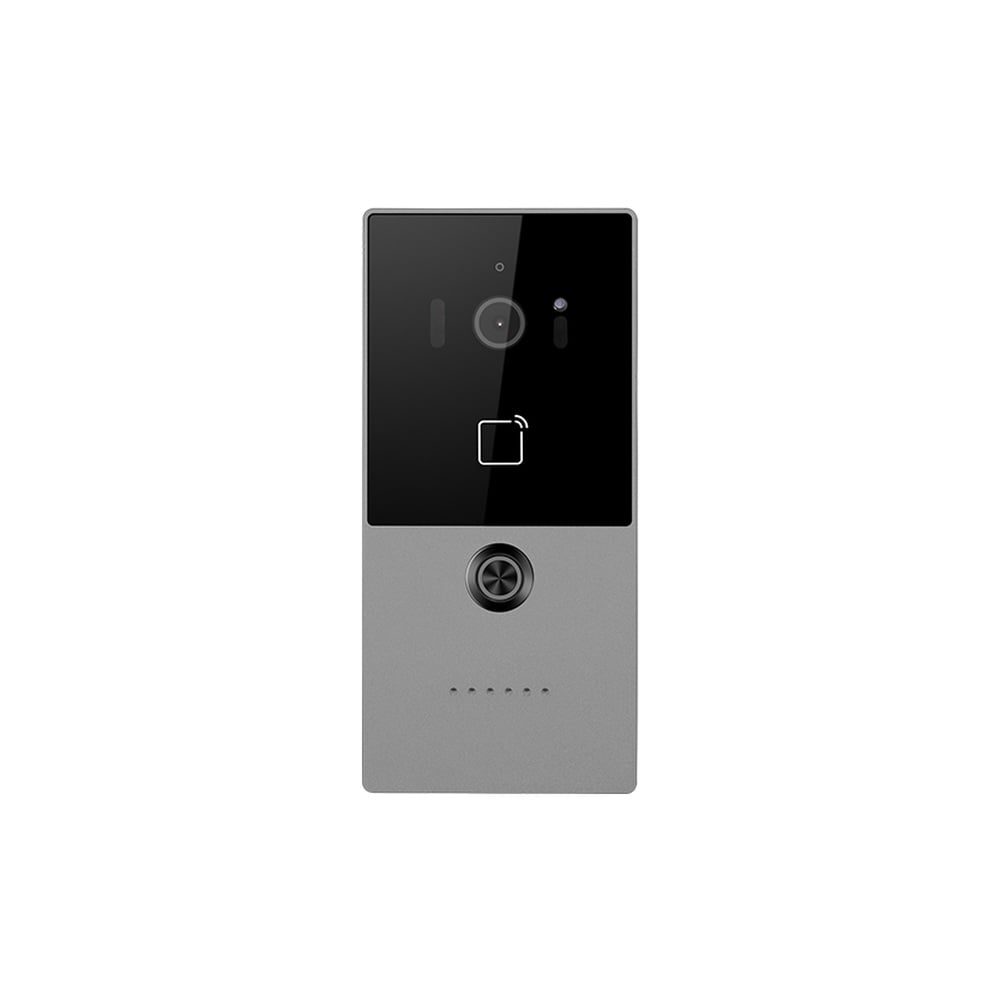
For an IP video intercom manufacturer, integration questions should come first. Does the proposed system use standard IP networking, a proprietary bus or a combination? What power is required at each device, and will PoE be suitable for the selected units? An apartment building may have existing risers that are difficult to replace, so the feasibility of reusing cables needs a qualified site assessment. A network diagram should show switches, controllers, door locks, resident devices and the path taken by calls. Without that diagram, it is easy to overlook a single dependency that makes the whole installation fragile. Resident onboarding is another hidden workload. The installation team needs a process for distributing credentials, explaining call functions and supporting people who do not want or cannot use a smartphone. Test the system with an elderly resident and a property manager, not only with the technology supplier's engineer. Accessibility is part of whether an intercom is genuinely usable.
A SIP video intercom for building may be attractive where the property uses SIP-compatible communications equipment, but the word “SIP” does not guarantee that every feature interoperates. Video codecs, door release, call transfer, mobile forwarding and device provisioning can vary between products. Ask for a compatibility list and test the exact combination of outdoor station, indoor screen and phone system. A live demonstration with two devices from the same manufacturer is not the same as proof that the planned mixed-vendor system will work on the building's network.
Cybersecurity and privacy belong in the initial specification. Door stations connected to IP networks need secure credentials, controlled remote access and a clear firmware-update process. Recorded images or call logs may contain personal information; property managers should define retention, permissions and legal obligations before enabling storage. Residents need a practical process for lost credentials and tenancy changes. An intercom that is easy to operate but difficult to administer can create months of avoidable work for the building manager.
Outdoor hardware must suit the environment. Rain exposure, sun, vandalism risk and mounting height can affect station choice. Confirm ingress-protection ratings, operating temperatures and how a damaged module can be replaced without reworking the entrance wall. Door release equipment also needs a safety and accessibility review under local building codes. Test what happens during an internet outage or power interruption: can residents still enter safely, and which functions continue? These scenarios should be included in commissioning rather than discovered during the first emergency.
Worthtek supplies IP intercom categories for building applications. Send the supplier a floor plan, existing cable inventory, apartment count and desired access features. Request a proposal with network requirements and supported integrations, then run a pilot at one entrance. A reliable intercom is not simply a bright screen with a clear camera; it is a system that residents, installers and property managers can operate and maintain without surprises.