Robot Dogs on Patrol Still Need a Human Operating Plan
By weiyi weiyi · 2026-11-05
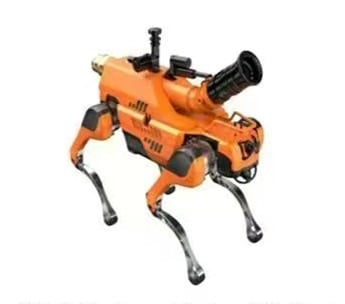
Overview
A quadruped robot walking through a factory looks impressive in a demonstration, especially when it handles stairs or an uneven floor. What matters to an operations team is more ordinary: can it complete the same route every night, capture useful data and alert the right person without becoming another piece of equipment that needs constant supervision? Industrial inspection projects should start with the information the site wants, not a list of dramatic robot movements. A route designed to read gauges, inspect hotspots and check access points is more useful than a long walk that collects little actionable data.
Practical considerations
A industrial inspection robot dog project needs a detailed site survey. Measure door widths, floor slopes, step heights and surfaces that may become wet or slippery. Identify areas with moving machinery, forklifts or restricted human access. The robot's published mobility limits do not automatically describe safe operation in a crowded plant. Choose trial routes that represent the actual environment, including cables, floor grates and temporary obstacles. Record where the robot needs remote assistance and whether it can recover safely from a navigation failure without entering a dangerous area.
Payload integration deserves as much attention as movement. A visible-light camera may support visual inspections, while thermal imaging or other sensors can serve different tasks when correctly specified and calibrated. Ask how readings are stored, time-stamped and associated with precise inspection points. A useful maintenance report should show what changed since the last run, not just an unfiltered stream of images. Sensor limitations must be understood: reflective metal, steam, lighting conditions and line-of-sight can all distort observations. Critical safety decisions require appropriate independent verification. For a security patrol robot dog, escalation rules matter. What happens when the system detects an open door, a person near a restricted area or a low battery during a shift? The operating plan should identify the human reviewer, communications path and evidence-retention policy. Do not assume the robot is a replacement for guards or a comprehensive safety system. If it records people or sensitive industrial information, privacy, access control and network-security requirements must be addressed from the start. Remote-control channels and software updates also need protection against unauthorised access.
Sunnoyal's product range includes quadruped patrol and inspection robot concepts. Before requesting a full deployment, define three or four measurable tasks and run a controlled site acceptance trial. A useful result is fewer missed inspections and more consistent records. The robot's ability to walk across a stage may start the conversation, but its behaviour at 3 a.m. in an ordinary factory corridor should decide the project. Site owners also need a clear boundary around autonomy. A robot might navigate a predefined corridor independently, but that does not mean it can make safety decisions on behalf of a control-room operator. Write down the situations that require a human decision, particularly when equipment shutdown, access control or emergency response is involved.
A pilot should run long enough to catch ordinary problems: weak wireless coverage, changing floor layouts, slippery weather and staff leaving equipment in a corridor. Track completed inspections, missed points, false alarms, charging time and interventions required. Battery endurance claims need to be evaluated with the intended sensors, route and temperature. The service contract should clarify replacement parts, software support and training. If the robot is difficult to recover after a fall, the site will need a safe procedure and people equipped to perform it.