Aluminum Alloy Cables Need the Right Terminations to Deliver Their Value
By weiyi weiyi · 2026-11-05
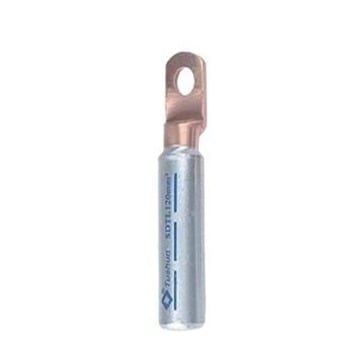
Overview
A cable substitution can make financial sense on a spreadsheet and still become a problem at the distribution board. The conductor may be correctly sized, but the terminals are not suitable for aluminium alloy, the installation crew uses the wrong preparation method or bending space has been underestimated. Replacing copper with an alloy conductor is an engineering decision, not a simple swap based on ampacity tables. The cable, connectors, installation method and applicable electrical code have to be reviewed as one system.
Practical considerations
A Rare Earth Aluminum Alloy Cable Manufacturer should supply the actual conductor construction and test documentation behind its claims. Terms such as improved strength, flexibility or creep resistance require defined test methods and comparison conditions. Request the conductor class, cross-sectional area, DC resistance, insulation type, operating temperature rating and the standards to which the cable is manufactured. Even if a material has promising mechanical properties, system performance depends on how it is installed. Do not substitute a manufacturer's marketing comparison for electrical design calculations.
Termination design is especially important. Aluminium conductors form surface oxide and can respond differently from copper under long-term mechanical and thermal loading. Compatible lugs, connector geometry, surface preparation and torque values must follow the relevant product and connector instructions. Where copper and aluminium meet, use approved transition hardware and review galvanic compatibility. A connection that looks tight at commissioning can still be vulnerable if the wrong terminal was used. Thermal inspection and maintenance procedures should match the installation's actual duty.
Tengyuetong publishes information on rare-earth aluminium alloy cable constructions and associated products. Procurement teams can use its technical pages to identify a possible design, then request project-specific calculations, test reports and approved termination details. The purchasing decision should include the installed system's total cost and maintenance needs, not just conductor price per metre. Cable savings are worthwhile only when the completed circuit performs safely and can be inspected and serviced throughout its intended life.
Armour and sheath choices determine where the cable can be installed. Some projects require mechanical protection in exposed runs; others prioritise flexibility, flame performance or environmental resistance. For an Aluminum Alloy Power Cable Supplier, send the intended installation route, minimum bending constraints, ambient temperature, grouping arrangement and exposure to moisture or chemicals. Different cable constructions may have very different permitted applications. If a bid references a type designation such as AC90 or ACWU90, verify exactly which national or project standards the proposed product meets and whether its use is acceptable to the authority having jurisdiction. Thermal expansion and long-term loading should be included in the termination review. Depending on the connection design and code requirements, periodic inspection may be needed. Maintenance staff should know which connections are approved for the conductor material and should not substitute a familiar copper-only fitting during a repair simply because it appears to fit.
Logistics can affect installation quality. Large drums need proper storage and handling; damage to the sheath during unloading may create future moisture pathways. Check drum marking, production batch and length verification before cable pulling begins. Pulling tension and bend radius should follow manufacturer instructions, especially at turns and risers. Confirm that the selected accessories are available at the project site before delivery rather than discovering late that a particular connector must be imported separately. Training the installation team on a short sample can expose practical issues before the full run is pulled.