Bagasse Food Containers Need Testing with the Food They Will Actually Hold
By weiyi weiyi · 2026-11-05
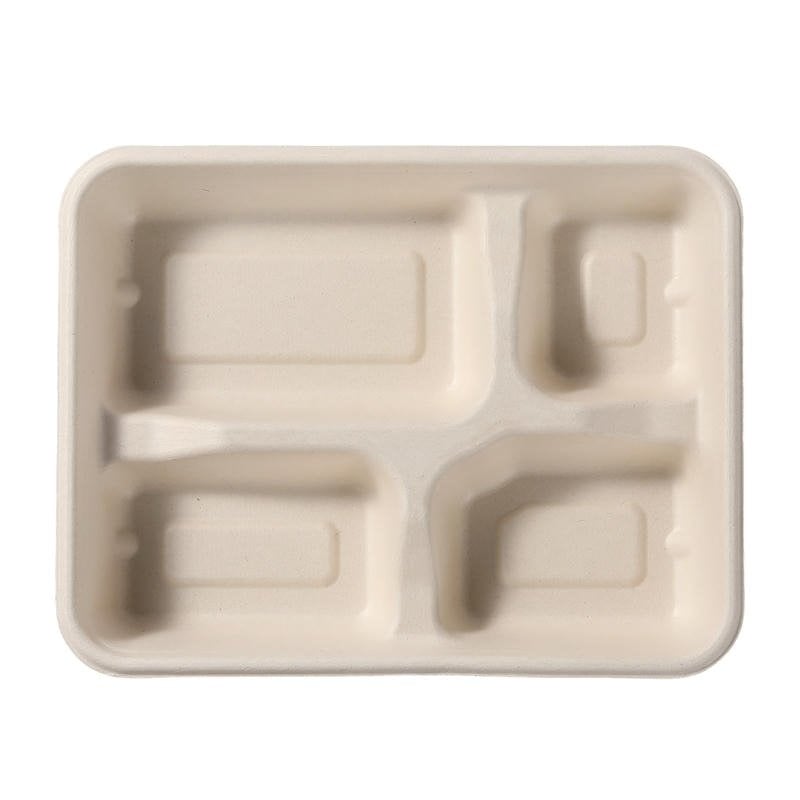
Overview
A moulded-fibre takeaway box can look strong on a shelf and still soften after carrying a hot, oily meal. Foodservice packaging is exposed to moisture, grease, steam, stacking pressure and sometimes refrigeration or reheating. A buyer considering bagasse products should test the container with its intended menu rather than assuming that all fibre packaging behaves the same. A salad bowl, a soup container and a takeaway meal box place very different demands on the material and closure.
Practical considerations
A Biodegradable Disposable Tableware Manufacturer should identify the fibre composition, any barrier treatments and the conditions under which performance claims were tested. The word “biodegradable” is broad and does not by itself establish that a product is home compostable, industrially compostable or accepted in a particular local collection system.
Request test reports and certification details for the exact product supplied, then verify which claims are permitted in the target market. Food-contact suitability must also be documented for relevant foods, temperatures and use durations. Marketing language should not substitute for that paperwork.
For a Bagasse Tableware Manufacturer, practical sampling starts with hot and cold applications. Fill containers with representative food, close the lids and observe leakage, deformation and changes in strength over the expected delivery period. Oil, sauces and condensation can create different failure patterns. Check the rim seal and how lids behave after the container has been stacked and carried. If a product is marketed for microwave use, confirm the manufacturer's instructions and applicable safety tests for that exact item.
Never assume that every fibre product is suitable for all heating methods. Temperature tests should include the full holding period, not just the moment a hot meal is packed. Some foods release steam while cooling, creating moisture under a tight lid. Others contain acidic sauces that interact differently with barrier layers. A restaurant should run a trial for its longest expected delivery journey and inspect both food quality and package integrity on arrival.
Dimensional consistency is often the hidden challenge of wholesale orders. A tray that is slightly warped may not seal with the chosen lid, and a shallow difference in compartment depth can interfere with automated portioning. Request finished-product dimensions with tolerances, sample several cartons and perform stack tests at realistic loads. If the restaurant uses a dispensing rack or automatic lidding equipment, a trial on that equipment is essential. Packaging should arrive dry, clean and protected from crushing. Damp storage can compromise product quality before the container reaches the kitchen.
Regreen Global supplies moulded-fibre and bagasse tableware categories. A useful enquiry gives the menu application, serving temperature, filling weight, lid requirements and destination-market standards. Trial cartons should be tested on real shifts, not only in a purchasing meeting. The right product keeps the food contained, fits the restaurant's workflow and carries environmental claims that can be supported by evidence.
Environmental claims also depend on the local waste system. A compostable product thrown into ordinary landfill may not deliver the outcome customers expect, and food-soiled packaging may not be accepted by every recycling or composting programme. Buyers should understand the collection services actually available where the product will be used. If a supplier provides certifications, check their validity, scope and whether they apply to the complete product including coatings. Accurate labelling helps restaurants avoid promising a disposal route that customers cannot use.