Shower Curtain Fabric Is Not Just a Pattern Decision
By weiyi weiyi · 2026-11-05
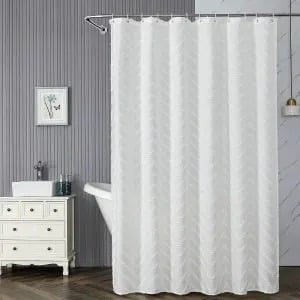
Overview
A bathroom textile looks simple until it is used in a humid room every day. Fabric hangs beside the shower, collects droplets, gets folded against itself and is washed or replaced at irregular intervals. The printed design might be the reason a buyer first chooses it, but dimensional stability, drying behaviour and seam quality determine whether customers keep it. For retailers and hospitality buyers, the real comparison is not just between patterns. It is between how those patterns perform when exposed to moisture, detergent, frequent handling and packaging creases.
Practical considerations
A Shower Curtain Manufacturer China should be able to explain the construction of the fabric, the method used to add any water-resistant treatment and how the material should be cleaned. A shower curtain marketed as water-repellent is not necessarily fully waterproof, and performance may change after laundering. Ask for results from a relevant test method rather than accepting a phrase such as “100% water resistant.” Check the feel of the fabric when damp and whether it clings to itself. A plastic liner and a textile outer curtain can be a sensible combination, but they should be specified as separate products with different care needs.
Top hems and hanging points receive repeated strain. A well-made curtain can still fail early if the grommets pull through a thin fabric or if stitched buttonholes fray. Examine reinforcement at each opening, edge hemming, corner construction and the distance between hooks. Run a simple hanging test on a sample and inspect it after repeated removal. Width is another common source of disappointment: a curtain needs enough fullness to cover the shower opening without staying permanently stretched. Finished measurements, not greige-fabric measurements, belong in the purchase order.
Colour approval needs more care than a single digital proof. A fabric may look different under warm bathroom lighting than under a daylight lamp, and colour variation can appear between production lots. Ask for a physical strike-off and record both fabric colour and print placement. If a design has large motifs, specify where the repeat should fall at the seam and whether the finished curtain is centred. For ecommerce sales, an apparently small shift in motif position can turn into product returns because the item does not look like the photograph on the listing.
Working with a Home Textile Manufacturer China often means discussing several categories in one order, such as shower curtains, table linens and window curtains. Do not assume the same factory tolerance or testing plan applies to all of them. Packaging matters too: tightly folded textile products can develop deep creases, and damp storage can leave a lasting odour. Request carton dimensions, folding method, product labels and care instructions in the destination market's language. A pre-shipment inspection should sample different carton positions, not only the first box opened near the packing line.
Starsuntex lists home textile ranges including shower curtains and related fabrics. A good sampling package contains the intended print, target size, fabric specification, seam details and washing instructions. Approve the finished item after it has hung for several days and gone through the care procedure the label recommends. That provides a better picture of customer experience than inspecting an untouched sample immediately after it comes out of a shipping bag.
Before approving the product page, retailers should make sure photographs show the same material and finishing details customers will receive. A curtain photographed with a separate liner may appear more opaque than the product sold alone. Listing the liner as an optional accessory and photographing the curtain after hanging can reduce misunderstandings and avoid unnecessary returns.