Alcoholic Drinks in Canada: Consumption Patterns, Product Categories and Changing Consumer Preferences
By Allen Windsor · 2026-11-02
Alcoholic drinks form an established part of Canada’s consumer and hospitality landscape, with beer, wine, spirits and ready-to-drink beverages serving different preferences and occasions. The sector is influenced by consumer purchasing habits, retail distribution, hospitality activity and provincial regulatory frameworks. According to Vyansa Intelligence, Canada’s alcoholic drinks sector was valued at USD 38.5 billion in 2025 and is projected to reach USD 41.27 billion by 2032, representing a CAGR of 1% during 2026–2032.
Source: https://www.vyansaintelligence.com/industry-report/canada-alcoholic-drinks-trend
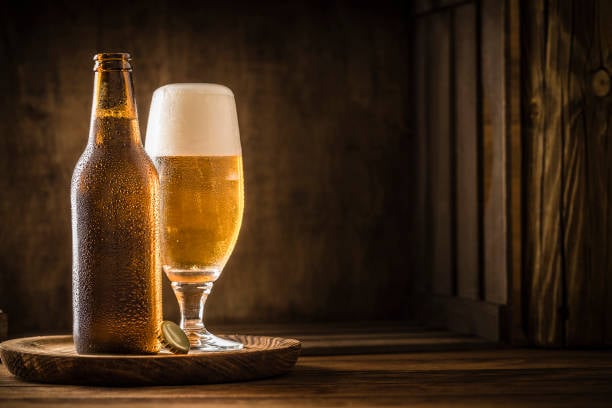
Beer and Its Place in Beverage Consumption Beer is the largest individual product category in Canada’s alcoholic drinks sector, accounting for approximately 30% of the total value in 2025, according to Vyansa Intelligence. Its position is supported by broad availability, established consumer familiarity and its presence in social activities, sporting events and hospitality settings. The category includes mainstream lagers, premium products, craft beers and non-alcoholic alternatives.
Domestic and imported products both contribute to the range of beer available to Canadian consumers. Breweries compete through product variety, flavour profiles, packaging and brand positioning. Craft beer has added further diversity, with products offering different brewing styles and ingredients. At the same time, non-alcoholic beer provides an alternative for consumers who want to participate in familiar social occasions while reducing or avoiding alcohol.
Beer remains an important category, although consumer preferences are changing. Greater awareness of alcohol-related health risks and interest in moderation are influencing purchasing decisions. These developments have encouraged producers to consider a wider range of products, including premium and alcohol-free options.
Spirits, Wine and Other Beverage Categories Canada’s alcoholic drinks sector includes cider and perry, ready-to-drink (RTD) beverages, spirits and wine alongside beer. Each category serves different consumer preferences and occasions. Spirits include products such as whisky, vodka, rum and other distilled beverages, while wine encompasses domestic and imported varieties. Cider and perry provide fruit-based alternatives, adding to the range of available beverage formats.
RTD beverages are an important area of product development. Their convenience, portability and variety of flavours make them relevant to consumers looking for alternatives to traditional beer, wine and spirits. Manufacturers are introducing different formats and product combinations to respond to changing preferences, including options with lower or no alcohol content.
The sector is also segmented by alcohol content, flavour and packaging. Products are classified into high-, medium- and low-alcohol categories, while flavour segmentation distinguishes between flavoured and unflavoured beverages. Glass bottles, tins, plastic bottles and other packaging formats serve different retail and consumption requirements. This variety allows producers to position products for different occasions and consumer groups.
Retail Distribution and Hospitality Channels Off-trade distribution plays a leading role in Canada's alcoholic drinks sector. According to Vyansa Intelligence, this channel accounted for approximately 70% of sales in 2025. It includes purchases made through retail outlets for consumption elsewhere, with specialist beverage retailers, liquor stores, supermarkets and convenience stores contributing to product availability.
Provincial and territorial systems influence how alcoholic beverages are distributed and sold. Liquor authorities and specialised retailers are important parts of the supply structure, while regulatory changes can affect the range of outlets permitted to sell particular products. In Ontario, for example, expanded retail access has increased the role of convenience stores in the sale of eligible alcoholic beverages.
Online retail provides an additional route for product discovery and purchasing. Although it remains a smaller part of the distribution structure, digital channels can help retailers and producers present wider product selections. The Statistics Canada report on alcoholic beverage sales for 2024/2025 provides official information on sales by beverage category, domestic and imported products, and the role of liquor authorities and other retail outlets.
On-trade channels include bars, pubs, restaurants, hotels and other hospitality venues. These outlets connect alcoholic beverages with dining, entertainment and social experiences. Population growth, urbanisation and foodservice activity can influence demand in this channel. Hospitality businesses also provide opportunities for consumers to encounter premium beverages, craft products and new RTD formats.
Changing Consumer Preferences and Health Awareness Health awareness is an important influence on Canada's alcoholic drinks landscape. The Vyansa Intelligence report identifies a growing preference among some younger adults for sober living, moderation and non-alcoholic beverages. Choosing not to drink at social gatherings has become a more visible consumer preference, encouraging producers to broaden their product portfolios.
This change does not affect every beverage category in the same way. Mainstream beer and spirits may face pressure as some consumers reduce alcohol consumption, while premium products can continue to appeal to those seeking differentiated experiences. The growing availability of alcohol-free and low-alcohol beer, wine and spirits reflects the industry's response to changing expectations.
Public health guidance provides context for these choices. The Canadian Centre on Substance Use and Addiction's Canada's Guidance on Alcohol and Health explains the relationship between alcohol consumption and health risks. It emphasises that reducing alcohol use can reduce risk and that the type of alcoholic beverage does not remove the risks associated with alcohol itself.
Premiumisation and Product Innovation Premiumisation is another development identified in the report. Although health awareness and moderation influence overall consumption patterns, there remains interest in higher-quality and differentiated alcoholic beverages. Premium beer and spirits can appeal to consumers who place importance on taste, distinctive flavours and brand reputation.
For producers, premium ranges provide an opportunity to diversify beyond mainstream products. Craft brewing, specialised ingredients, product presentation and new flavour combinations can help distinguish individual offerings. However, premiumisation exists alongside demand for affordable products, meaning that businesses need to consider different purchasing preferences rather than relying on a single product position.
Innovation in RTDs and non-alcoholic beverages is also relevant. Producers are developing products that combine convenience with new flavour profiles and alternative alcohol levels. Partnerships and product launches can support category development, while packaging choices help brands address different retail formats and consumption occasions.
Industry Structure and Competition Canada's alcoholic drinks sector includes domestic producers and international beverage companies. Vyansa Intelligence identifies Andrew Peller Ltd, Heineken NV, Pernod Ricard Groupe, Anheuser-Busch InBev NV and Molson Coors Brewing Co among the leading participants. The report indicates that more than ten companies are actively involved in production, with the five leading companies collectively accounting for approximately 50% of the sector.
Competition takes place across product categories, price points and distribution channels. Companies use brand portfolios, product innovation and retail relationships to maintain their positions. Domestic production is particularly relevant in beer and certain cider categories, while imported products contribute to the availability of international wine and spirits.
Looking Ahead Canada's alcoholic drinks landscape is shaped by established beverage categories and changing consumer expectations. Beer remains the largest individual category, while spirits, wine, cider, perry and RTDs contribute to a diverse product range. Off-trade retail continues to play a central role in distribution, supported by specialist retailers, convenience stores and developing online channels.
Health awareness, interest in moderation and demand for premium products are influencing product development and consumer choice. Non-alcoholic and low-alcohol alternatives are becoming more visible alongside traditional beverages. Understanding the sector therefore requires attention to distribution, product innovation, consumer behaviour and public health considerations as the Canadian beverage landscape continues to evolve.