Personal Trainer Alexandria: Building a Practical Training Plan
By weiyi weiyi · 2026-11-02
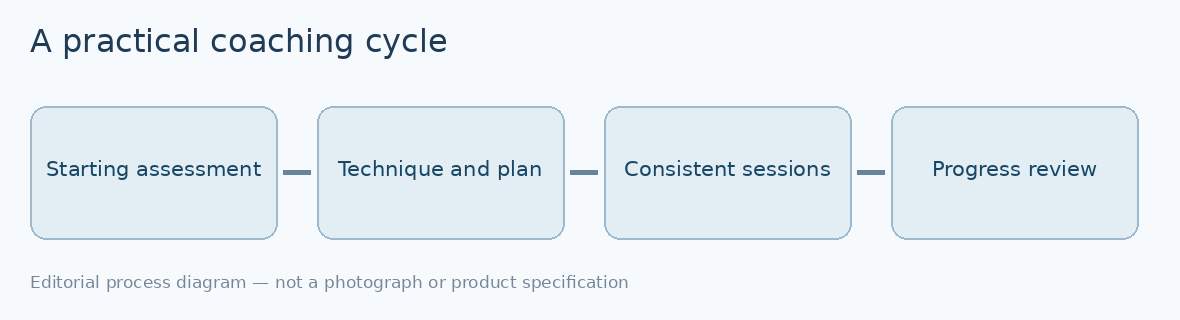
The quickest way to make a gym membership disappointing is to buy one without deciding what you will actually do there. Someone who wants to feel stronger carrying groceries has different needs from a runner returning after a long break. A beginner might also be comfortable with a one-to-one coach but intimidated by an open class. Good training begins with those details, not a dramatic before-and-after photograph.
If you are looking for a personal trainer in Alexandria, start with a conversation about what you can do now, the time you can reliably set aside and any movement limitations that deserve professional assessment.
Rep0 Fitness advertises an introductory meeting and offers one-on-one training alongside smaller group sessions at its Alexandria studio. The first visit is a chance to see whether the coaching style and equipment suit you, not a commitment to chase a number on a scale.
A useful initial assessment is practical. Can you squat through a comfortable range without losing balance? Do you understand the difference between discomfort from effort and pain that calls for stopping? What does a light pushing or pulling exercise reveal about how you move? A coach should explain what is being observed and why it changes the starting plan. There is little value in testing a personal record before learning how the movement is supposed to feel.
Ask how the first month would be structured. A plan may include foundational strength, mobility and conditioning, but the proportion depends on the person. If a client's goal is to improve a pull-up, the programme may need grip, shoulder control and suitable regressions. If the client wants to return to general exercise, gradually improving consistency can matter more than difficult exercises on day one. The coach should be able to show what will change as the movements become more comfortable.
One-to-one sessions and small groups solve different problems. Private coaching allows more time to discuss technique or build confidence. A small class offers scheduled sessions and other people to train alongside, though the level of individual attention will vary. Rep0's website lists strength, calisthenics and Pilates-related options. Ask which class is appropriate for your current level, how movements are adapted, and what happens if a particular exercise is uncomfortable. Don't assume the hardest-looking session is the best one.
Progress should be recorded in ways that are useful to the goal. For some people that means a steadier squat, more repetitions with sound form or less hesitation with everyday movement. Others will track exercise loads, attendance and recovery. A coach who checks your results can tell the difference between a temporary rough week and a programme that needs changing. The record does not need to become a spreadsheet obsession; it just needs to make next month's decisions more informed than this month's.
The location matters more than people admit. Rep0 identifies its studio as being on McEvoy Street in Alexandria, near Green Square station. Someone who can reach sessions on the way to work may train more consistently than someone planning a heroic cross-city trip every Saturday. Check class times against your actual week. If the timetable only works when nothing goes wrong at work, it is unlikely to survive busy periods.
Before paying for coaching, discuss cancellations, scheduling, session length and the level of guidance between appointments. Tell the trainer about relevant injuries or health concerns; where needed, obtain medical advice before exercising. A good first conversation leaves you with a realistic next step: one manageable session, a clear plan to practise and a reason to return. That is more useful than a motivational promise that cannot be measured.