Pet Food Machinery Manufacturer: Designing Around the Recipe
By weiyi weiyi · 2026-11-02
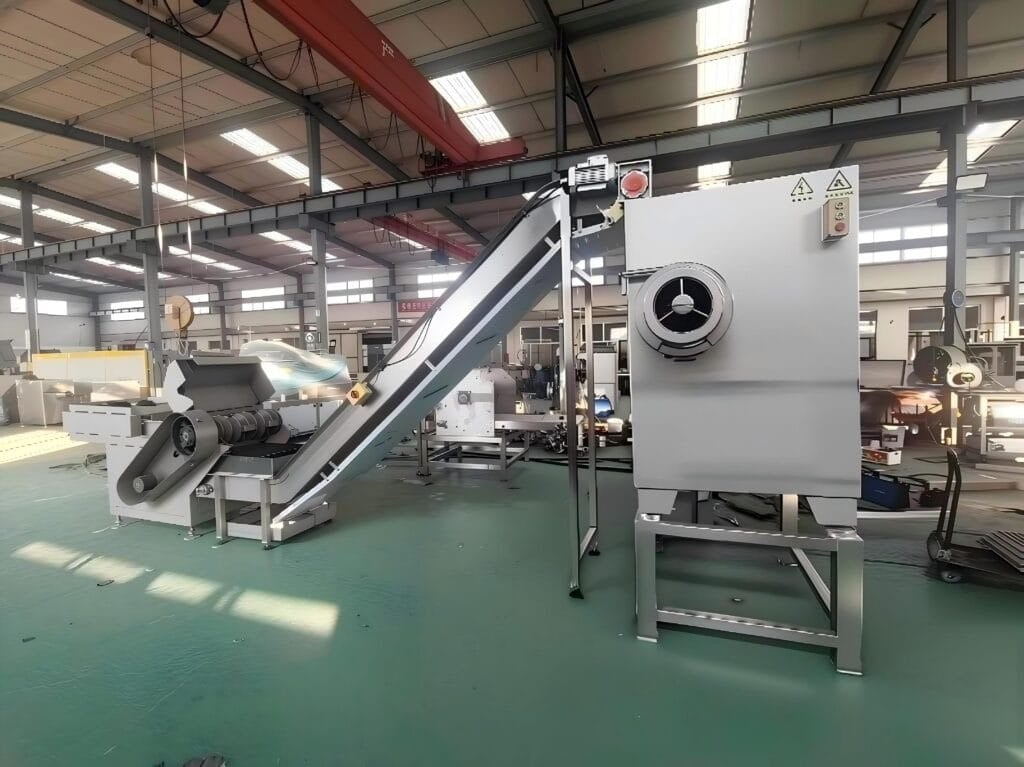
A new pet food line often begins with a capacity target. The buyer might say that the factory needs one tonne per hour, expecting the equipment supplier to propose a machine. Yet the same output figure means very different things for dry kibble, meat-based wet food and freeze-dried treats. The product, not the headline number, should drive the line design.
Start by writing down the recipe and its physical condition at each processing stage. Fresh meat arrives differently from frozen blocks. Powders require different handling from mixed slurry. If the raw material changes temperature before grinding or mixing, that transition affects equipment selection and cleaning procedures. The supplier needs sample information, not just a glossy product photo.
For wet pet food, discuss particle size, mixing, filling and heat processing as connected operations. A grinder can produce a uniform-looking material while still leaving problems for a downstream filler if the particle distribution is unsuitable.
Sanitation has to be demonstrated, not only promised. At the design review, ask operators to walk through a complete product changeover. Where does residual meat collect? Can a mixer seal be inspected without taking apart guards that were never intended to be removed? How will clean and unclean utensils be separated? Write the answer into the cleaning and verification procedure. A machine that processes one test batch flawlessly can still be unsuitable for a factory making several recipes each day if cleaning access is poor.
Capacity trials also need a common definition. The output of the forming machine may be very different from saleable product leaving cooling, inspection and packaging. Ask the supplier to run material that matches the target formulation and record start-up scrap, planned stoppages and changeover time. Measure the actual weight and condition of acceptable packs. If a line is quoted for a particular throughput, document the recipe, package size and operating assumptions behind that figure.
Viscosity influences how a product moves through pipes and nozzles. Containers or pouches introduce another set of sealing and handling requirements. A line that runs one pilot recipe smoothly might need adjustments for a second product with more fat or larger inclusions.
Dry products bring different constraints. In an extrusion-based process, moisture, temperature and die design affect the resulting shape and texture. Operators also need to account for drying and cooling after forming. In a baked product, heat distribution and residence time become central questions. There is no single equipment arrangement that automatically suits both methods. Ask the supplier to describe what its proposal assumes about ingredients, utilities and operating schedule.
In discussions with a pet food machinery manufacturer, the recipe and cleaning plan belong beside throughput on the same project brief.
During handover, record which temperatures, pressures or other process limits belong to the validated food-safety plan and which are ordinary machine settings. Operators should be able to explain why a setting is important and who may authorise a change. Machinery suppliers can assist with equipment performance, but the food producer remains responsible for its own hazard analysis, product testing and compliance with the rules of the destination market.
The hygiene plan belongs in the equipment conversation early. Food-contact surfaces must be cleanable, and a production layout should limit unnecessary movement between raw and processed materials. Check how guards and covers open, which areas need tool access, and whether operators can reach components without unsafe shortcuts. The material grade of a stainless steel part is relevant, but material alone does not guarantee sanitary design. Joints, seals, drainage and dead spaces matter during everyday cleaning.
Langge Machinery's website describes equipment for dry, wet, baked and freeze-dried pet food, along with standalone machines and integrated lines. It also lists commissioning, technical training and spare-parts support. Those categories help a buyer frame the next discussion, although the specifications of any proposed line still need to be confirmed against the actual formula and factory.