RJ45 Connector Manufacturer China: Finding Link Faults
By weiyi weiyi · 2026-11-02
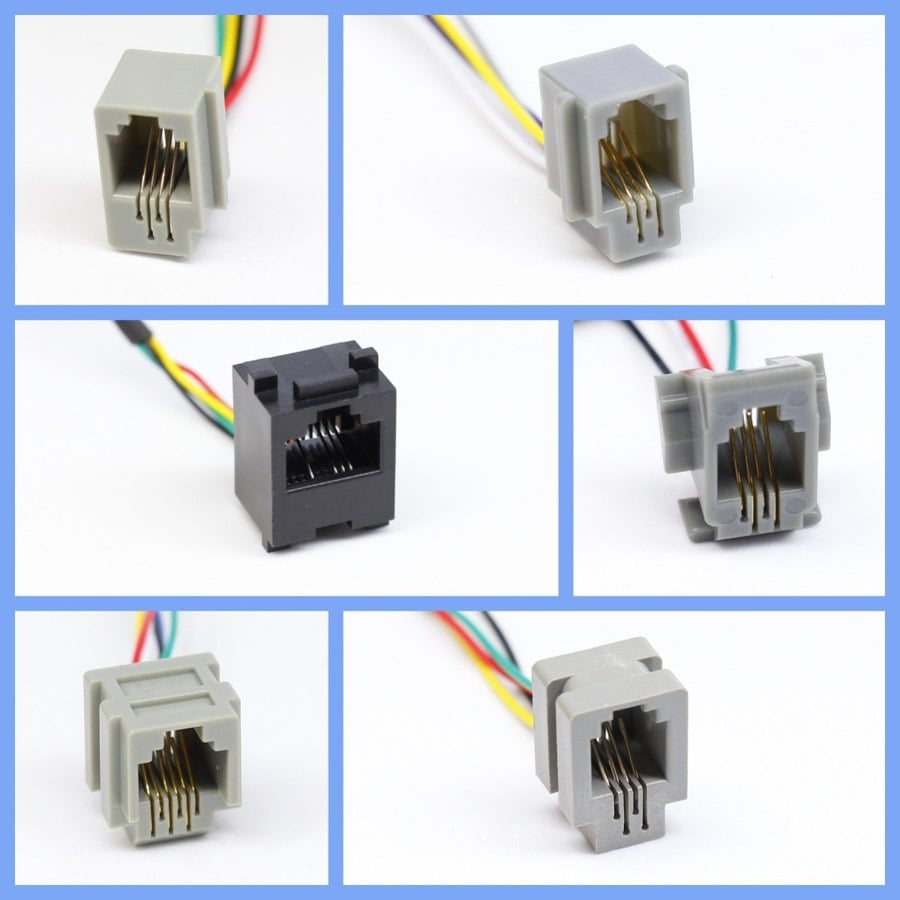
An Ethernet connector can look undamaged even when its contacts are wrong for the conductor being used. Solid and stranded conductors do not necessarily use identical termination hardware. Conductor size, insulation diameter and shield design influence which connector or jack is appropriate. A plug can physically fit a cable yet make unreliable contact if its contacts were designed for a different conductor. Use the connector maker's stated compatibility rather than forcing a convenient part onto an unsuitable cable.
Termination quality depends on the tool and the operator as well as the hardware. Stripping too much jacket leaves the twisted pairs unsupported near the contact area. Untwisting pairs unnecessarily may impair performance. A crimp tool with worn or incorrect dies can create inconsistent contact pressure. Where the installation uses field-terminable connectors, follow that product's assembly method rather than transferring habits from a different plug design. A visual check should be followed by electrical testing appropriate to the link.
Shielding adds its own traps. A shielded plug does not automatically create a well-bonded shield path in the complete channel.
There is also value in separating visible defects from electrical defects. A broken latch is obvious, but a damaged contact may not be. Conversely, a clean-looking plug can be terminated incorrectly. An appropriate wiremap or link test adds information that visual inspection alone cannot provide. Keeping the cable category and connector compatibility in the service record avoids a common mistake: assuming any RJ45-shaped plug performs identically in every network.
For RJ45 connectors, mating-cycle claims do not replace a test of the completed assembly. Check contact plating, the latch design and how the connector holds cable strain. A lab can measure insertion loss and return loss after repeated handling using the relevant category test method. Where Power over Ethernet is involved, contact resistance and heating also deserve attention. Packaging and storage influence results too: damaged latches often come from rough handling before installation.
A reputable rj45 connector manufacturer china should be able to explain which standards its reported measurements use, not simply show an attractive specification table.
The cable, connector, equipment and installation design must be considered together. Poor bonding can leave the shield ineffective or create other problems. In electrically noisy environments, the entire link design deserves a review. The choice between shielded and unshielded components should come from system requirements, not from an assumption that more metal around the plug is always better.
What PoE changes
For procurement, connector consistency is worth tracking across batches. Retain the approved part reference and ask about changes to contact plating, housing, latch or termination requirements. A visually subtle revision could change how a familiar tool works with the part. Production teams should not discover the difference only after a rise in failed cable tests. Where approval depends on a specific cable construction, list that cable explicitly in the assembly record rather than leaving it to operators' judgement.
Power over Ethernet raises the stakes. Contact resistance and temperature rise can matter when significant power is delivered through the conductors. A connector needs to be suitable for the cable, electrical duty and environment, including repeated mating where applicable. Do not infer suitability from the shape of the plug. For critical links, record the connector part, cable type and test result so that maintenance staff can identify a recurring fault rather than restart the investigation from zero. When buying from an RJ45 connector manufacturer in China, check the approved cable construction and PoE duty instead of relying on the plug shape.
A maintenance team can make connection failures easier to diagnose by keeping a few known-good reference leads and a suitable tester. The reference should be labelled and protected from everyday use, otherwise it may become just another damaged cable. Swap one element at a time so that the technician knows whether the problem follows the lead, device or installed channel. If the link is part of a critical network, testing must respect the site's change-control and outage procedures.