Electrofused Refractory Manufacturer and Furnace Joint Design
By weiyi weiyi · 2026-11-02
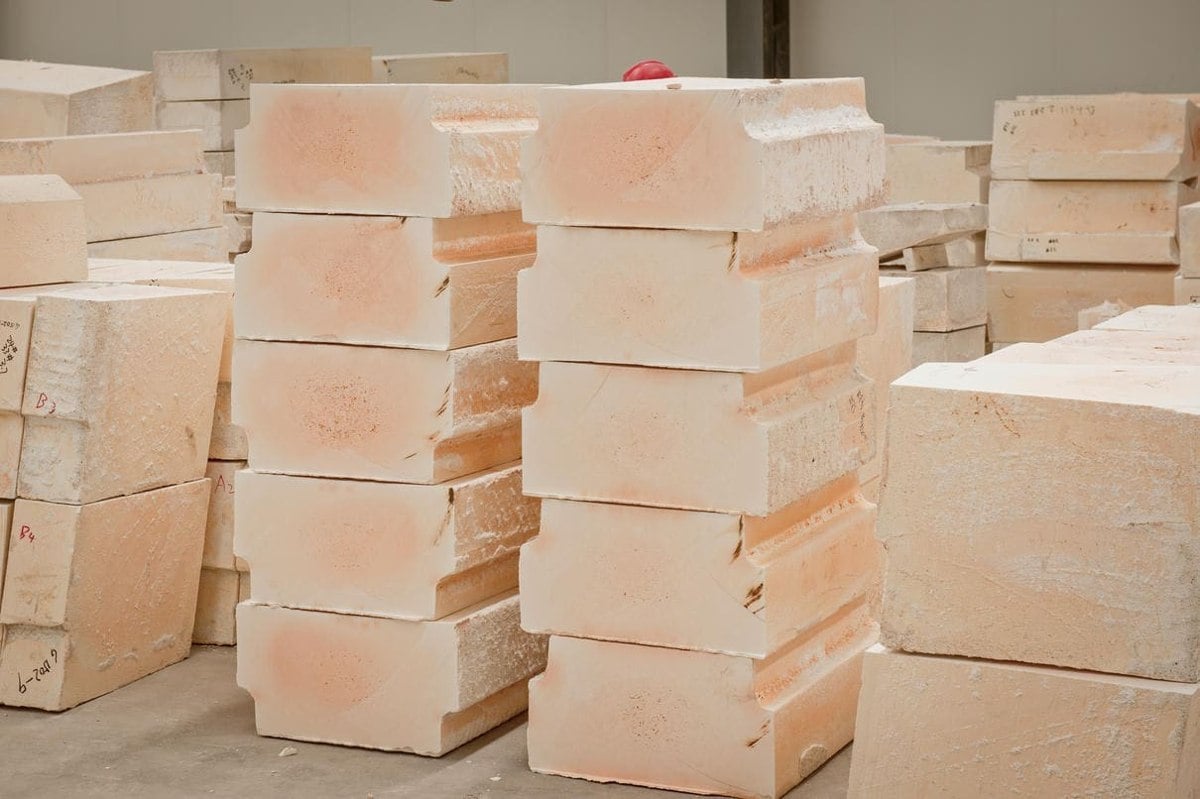
AZS and other fused-cast materials are used in demanding glass-contact areas, yet their selection depends on the location, melt composition, operating temperature and design life. A throat, a sidewall and a superstructure do not experience the same attack. Material recommendations need to consider chemical corrosion, thermal movement and structural support. A grade that performs well in one part of a furnace can be excessive, unsuitable or uneconomical elsewhere. This is a zoning decision, not a contest over the most impressive material name.
What happens at the joint
Interfaces need drawings that show what touches what. Expansion allowances, joint preparation and the neighbouring refractory can influence performance. During heating and cooling, materials do not necessarily move at the same rate. If a rigid detail leaves no room for movement, local stress can accumulate. Conversely, an inappropriate open path may expose another layer to glass or vapour. Designers need to resolve these boundaries before installation crews are confronted with a gap that does not match the drawing. If an electrofused refractory manufacturer proposes a different grade, ask how it will interact with the neighbouring lining and joint allowance.
Block geometry and inspection matter because fused-cast parts are not all simple bricks. Complex shapes may include casting-related features, machined faces and orientations that matter during assembly. The approved inspection plan should identify dimensions that control the joint and the seating surface. A small difference on a hidden face can become a large alignment problem once multiple blocks are placed. Handling and packing should protect critical edges, particularly for components that cannot be easily adjusted on site.
When a new refractory supplier proposes a substitute, ask for the basis of equivalence. Chemical composition alone may not answer questions about casting structure, dimensions, thermal behaviour or the conditions of use. The design owner should review what the proposed change would mean at adjacent interfaces. That extra effort is easy to overlook when replacement parts are needed quickly, yet it can prevent a local repair from introducing a new point of weakness.
Glass-furnace repairs rarely fail only because one block is weak. Expansion joints, contact with molten glass and temperature gradients at neighbouring materials can change the way a refractory behaves. During inspection, mark the exact positions of corrosion or cracking on a furnace plan and compare them with process changes. A sample from a heavily eroded interface may reveal a different mechanism from ordinary surface wear. Material selection should account for the furnace zone and operating cycle; a grade that performs well in one contact condition may be a poor substitute elsewhere.
Maintenance teams also need an honest discussion of repairability. Some furnace zones are extremely difficult to access without a shutdown, while others permit planned repair work.
Do not judge a proposed lining solely by the purchase cost of its blocks. Consider the consequences of an unexpected outage, the availability of replacement shapes and the practical inspection points that could reveal developing wear. Service records from comparable operating conditions are more valuable than a generic claim of long life.
Transportation and storage of complex refractory shapes should be specified with the same care as dimensional acceptance. Heavy blocks may be difficult to rotate safely once they reach the furnace site. Lifting provisions, packing orientation and identification markings need to align with the installation plan. A misidentified shape can delay work during an outage when time is expensive. Clear part records and careful handling are simple ways to keep the engineering design intact until installation.
Hot repair decisions can be particularly difficult because inspection access is restricted and production pressure is high. A practical maintenance record should note where wear was found, how it was observed and what changed since the last inspection. If a lining behaves unexpectedly, compare operating history rather than assuming the brick grade was wrong. Feed composition, thermal excursions and previous repairs can all shift the local conditions, sometimes without appearing in the purchasing specification.
https://fasinrefractory.com/index.php?a=index&c=Lists&m=home&tid=13