Carbide End Mills Manufacturer: Improving CNC Trial Cuts
By weiyi weiyi · 2026-11-02
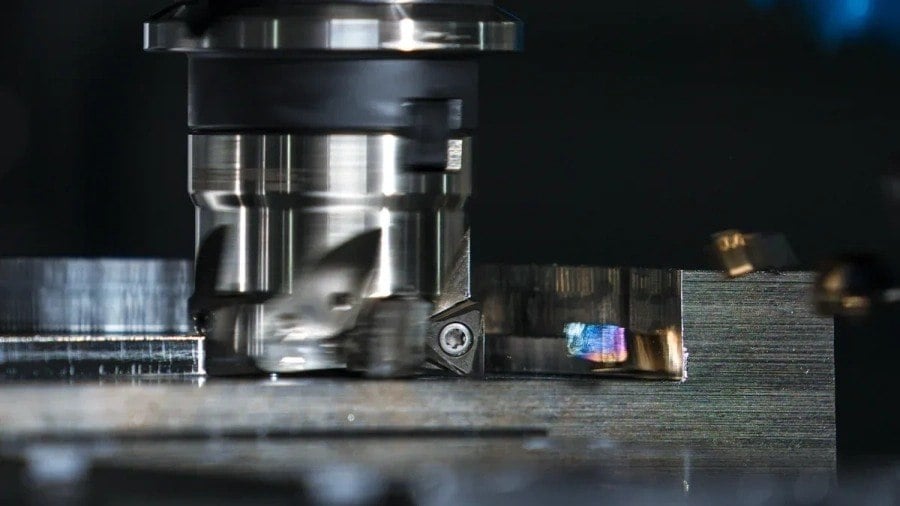
The workpiece material comes first. Aluminium can create built-up edge and requires attention to chip flow; a stainless grade may punish heat buildup and an unsuitable engagement strategy. Coating, flute geometry and cutting-edge preparation are application choices. A cutter selected for one alloy is not automatically the best choice for every material sharing the broad label of “metal.” Ask what material and operation the manufacturer designed a geometry to handle.
Check the whole toolholding system before changing cutting parameters. Before seeking a geometry recommendation from a carbide end mills manufacturer, share the tool stick-out and holder type used in the trial. Inspect the collet or holder, tool stick-out and workholding. Excessive runout means one flute does more work than the others, shortening usable life. A long stick-out magnifies vibration. Secure the stock and choose a trial feature that represents production rather than a conveniently light finishing pass. Record the tool diameter, engagement, speed, feed, coolant method and material batch so the test can be repeated.
Chip evacuation tells a story
Chip evacuation is an early warning sign. Chips packed inside a slot can be cut again and again, raising heat and damaging the edge. An open side-milling path behaves differently. For some applications air blast or an appropriate coolant strategy improves evacuation, but the process must follow machine, tool and material guidance. Do not improvise coolant mixtures or disable guards. A good cutting sound is useful feedback, but the machined wall, chips and wear pattern tell a fuller story.
A production engineer should also separate tool cost from machining economics. A slightly longer-running cutter may be valuable on an unattended job because it reduces tool-change interruptions. On a prototype machine making three pieces, the same premium may have little practical benefit. Document the size of the batch, material variability and surface requirements. Without that context, a catalogue comparison between carbide cutters can easily produce an answer that sounds precise but is not useful.
Tool selection starts with the chip and the workpiece, not a preferred catalogue coating. For aluminium, chip evacuation and built-up edge often dictate flute geometry and lubricant choice. Stainless steel presents different challenges: heat accumulation, work hardening and vibration can shorten life even when a cutter initially produces a good surface. Record spindle condition, tool overhang, holder runout and the actual cut before judging a carbide end mill. If a supplier quotes a recommended speed, treat it as an initial trial value subject to the machine, tool diameter and setup limits.
Evaluate tool life using a consistent stop criterion. One operator may replace a cutter when burrs increase; another may continue until the finish becomes unacceptable.
Without a shared threshold, “longer life” comparisons are mostly storytelling. Keep samples from the beginning and end of the trial, measure dimensional drift and note whether wear is uniform or concentrated on one flute. A sudden failure needs a different investigation from gradual, predictable flank wear.
A cutter trial should not rely entirely on a supplier's sample programme. Even a capable tool can behave differently on a customer machine with different spindle stiffness or toolholders. Agree on a modest set of test cuts before the representative arrives. If performance is unstable, stop rather than pushing speeds until the tool fails dramatically. Examine the setup, document the condition and then decide which variable deserves attention. Meaningful comparison requires controlled work, not impressive noise.
If the cutter performs poorly, change the test deliberately. First rule out obvious workholding and toolholding problems. Then examine chip formation and choose one parameter to adjust within the tool and machine makers' recommendations. A large improvement after reducing tool stick-out tells a different story from an improvement after changing chip evacuation. Record both the failed setting and the successful one; the failed data can be useful when the next job has a similar constraint.
Once the trial is stable, consider the economics. A premium tool that runs a part faster may reduce machine time; a cheaper tool may still make sense for a short job with a low removal rate. Count tool changes, scrap and operator intervention, not just the purchase price per cutter. A useful manufacturer discussion centres on the actual operation and its constraints, supported by test-cut evidence rather than catalogue superlatives.
https://www.yumiteck.com/