Tablecloth Manufacturer Checks After Repeated Washing
By weiyi weiyi · 2026-11-02
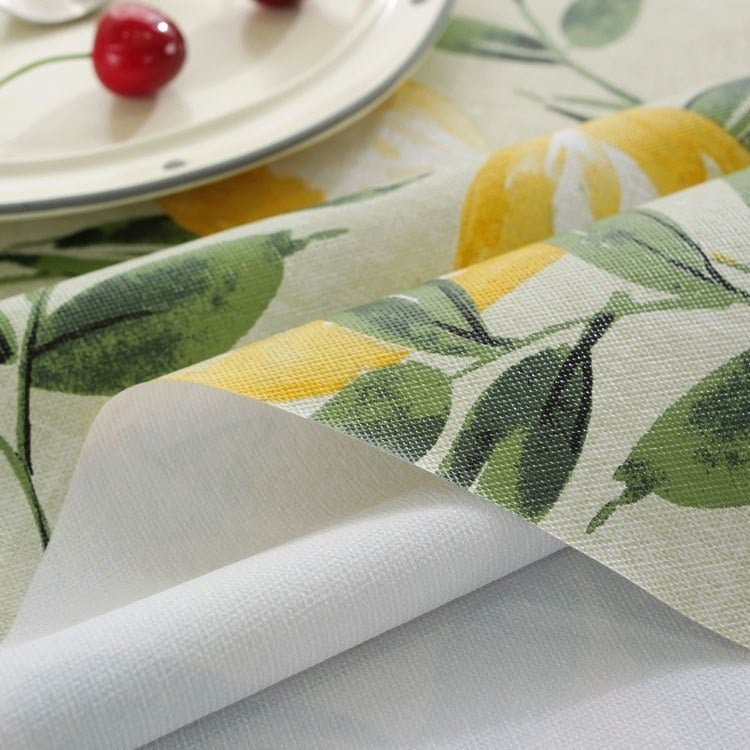
Finished dimensions matter more than the nominal width on a fabric roll. Allow for the drop over the table edge, seams, hems and any shrinkage expected from the chosen material and care method. A long drop may look elegant in photographs but interfere with chairs or service trolleys. A short drop can expose awkward table legs. Calculate the finished dimensions using a realistic table, then confirm how the supplier will cut and sew the panels. Large banquet sizes may require joins, which should be considered in the design.
Fabric composition influences handling. Cotton may have a familiar feel and absorbent character but can wrinkle; synthetic blends may dry more readily while behaving differently under high heat. Weave, weight and finish also matter. A tightly woven cloth can feel very different from an open construction of similar weight. Do not rely on a generic material label to predict stain release, drape or laundering performance. Obtain a sample large enough to judge a corner, hem and fall.
Commercial washing creates a useful trial. Launder the sample using a process similar to the intended operation, following appropriate care instructions.
For chains operating several locations, standardise the record of what was bought. Keep the fabric reference, finished dimensions, care guidance and a physical control sample. If a location replaces damaged stock months later, staff should be able to reorder without guessing the original specifications. This is especially useful when table sizes differ across sites and orders are placed by different managers. Consistency comes from documentation as much as from the sewing room.
For tablecloth production, shrinkage can be as important as colour. A hospitality buyer may approve a perfectly fitted sample and discover that the cloth no longer reaches the table edge after repeated washing. Specify finished dimensions after the agreed care cycle, not only dimensions at the cutting table. Ask for seam and hem examples from the production fabric, and confirm whether stain-resistant finishes affect handle or laundering instructions. Photographs can establish the look; routine laundry tests establish whether the order suits the way a restaurant actually operates.
Compare measurements, appearance and colour after repeated cycles. Note whether the corners twist, hems pucker or the surface develops an unwanted sheen under ironing. If the cloth is used across a hospitality chain, colour differences between replacement batches may be as noticeable as obvious stains. Agree how future orders will be matched and what variation is acceptable.
When a sample comes back from a Tablecloth Manufacturer, wash it using the same process the finished cloth will face.
Stitching quality becomes visible during service. Weak hems can fray after repeated handling; bulky seams can produce an uneven dining surface. Check the size and position of labels so they do not show during use or snag in laundry equipment. For patterned fabric, ask how the design is aligned on adjoining panels. An attractive textile may lose its effect if the pattern runs at noticeably different angles from one table to the next.
A catering client should be able to inspect a finished-size production sample with the actual hem construction and label placement. If the supplier provides only a small fabric swatch, important details remain untested. A full tablecloth reveals how the cloth hangs, whether the edges remain square and whether laundering changes its shape. That extra sample cost can be modest compared with replacing a large order that does not fit the tables or withstand the cleaning cycle.
Ordering samples by fabric colour alone can also disguise differences in finishing and construction. A dyed fabric may feel different from the undyed reference, and a special finish can affect its care requirements. Ask whether the approved sample represents the eventual bulk production process. When a colour is critical, examine it under both daylight and the artificial lighting used in the dining room. Even close colour matches can look noticeably different beside white plates or warm timber furniture.