Aluminum Alloy Cable Manufacturer: Planning Connections
By weiyi weiyi · 2026-11-02
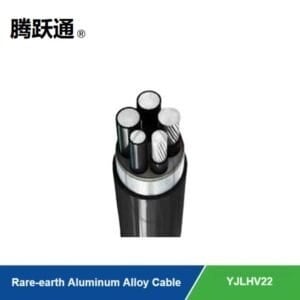
An aluminium-alloy cable cannot be approved as a copper replacement by cross-section alone. Current capacity, voltage drop, short-circuit duty and installation environment all influence conductor size. Do not substitute aluminum-alloy cable for a copper design based only on a headline cross-section comparison. The design must account for the material's electrical properties, permitted installation practices and compatible protection. A qualified electrical engineer should resolve these requirements before procurement.
Terminations are a critical detail. Lugs and connectors must be rated for the conductor material and size, and some applications require connectors intended for particular conductor constructions. Contact surfaces, stripping length, crimp tooling and tightening torque should follow the accessory manufacturer's instructions. A connection made with an unsuitable lug can appear tight at installation and still develop resistance and heating in service. Improvised adapters are not an acceptable substitute for a listed, compatible connection system.
Thermal movement also deserves attention. Conductors and accessories experience temperature changes under load, and different materials can respond differently. The selected termination system should be designed to maintain reliable contact through expected conditions. Where required, inspect connections using the relevant commissioning procedure and maintain records of tooling, installer qualification and measurements. Simply re-tightening terminals without reference to the prescribed method can create new problems.
Cable comparisons need conductor sizing, termination and installation method to be considered together. An aluminium-alloy conductor may need different cross-sectional area and correctly approved lugs to meet a circuit's electrical and mechanical requirements. Check voltage drop, fault duty, ambient temperature and the expected pulling conditions before choosing a replacement for copper. Connector compatibility and torque procedures are not optional details. Any claim about equivalent performance should cite the applicable cable standard and the actual design assumptions; a blanket one-to-one substitution can create problems that only appear after commissioning.
Electrical testing should be performed by competent people using appropriate procedures and equipment. A casual visual inspection is not a substitute for verifying the installed circuit under the relevant code. Record deviations from the approved drawings, especially changes to joint locations or accessory types. Those changes can matter in future fault investigation. Cable is a long-lived asset, and documentation should make the installation understandable to engineers who did not see it being built.
Cable routing affects long-term reliability. Bending radius, pulling tension, support intervals, moisture and mechanical protection all need consideration. An installation team should not treat a cable as a flexible rope that can be forced around any corner. Provide suitable pulling arrangements and protect terminations from strain. If the route passes through multiple environmental zones, the sheath and accessory specifications should reflect the conditions at each location.
Procurement can prevent many installation errors by specifying the entire accessory schedule alongside the cable.
When reviewing the accessory list with an Aluminum Alloy Cable Manufacturer, ask whether each lug and crimp tool is approved for the conductor construction.
Include compatible terminations, glands, supports and any special tools or consumables required by the approved system. If installers substitute whatever lugs are available in the warehouse, the original conductor design may no longer describe the installation. Review substitutions through the engineer rather than treating them as equivalent because the bolt holes line up.
Before energising, complete the prescribed inspection and testing programme under qualified supervision. Record cable identity, test results and any deviations from the plan. A well-specified alloy conductor is not a shortcut around engineering controls. Its benefits can only be realised when design, compatible accessories and installation quality are treated with the same care as the cable itself.
Commissioning records should identify the actual cable route and the installed accessories. This matters when maintenance teams revisit the circuit years later. Heat damage at a joint requires investigation of the complete connection and load conditions, not a blanket assumption that the alloy conductor is defective. Good traceability can prevent the same installation error from spreading across several similar circuits.