Private Hibachi Chef Tampa: Planning an Outdoor Dinner
By weiyi weiyi · 2026-11-02
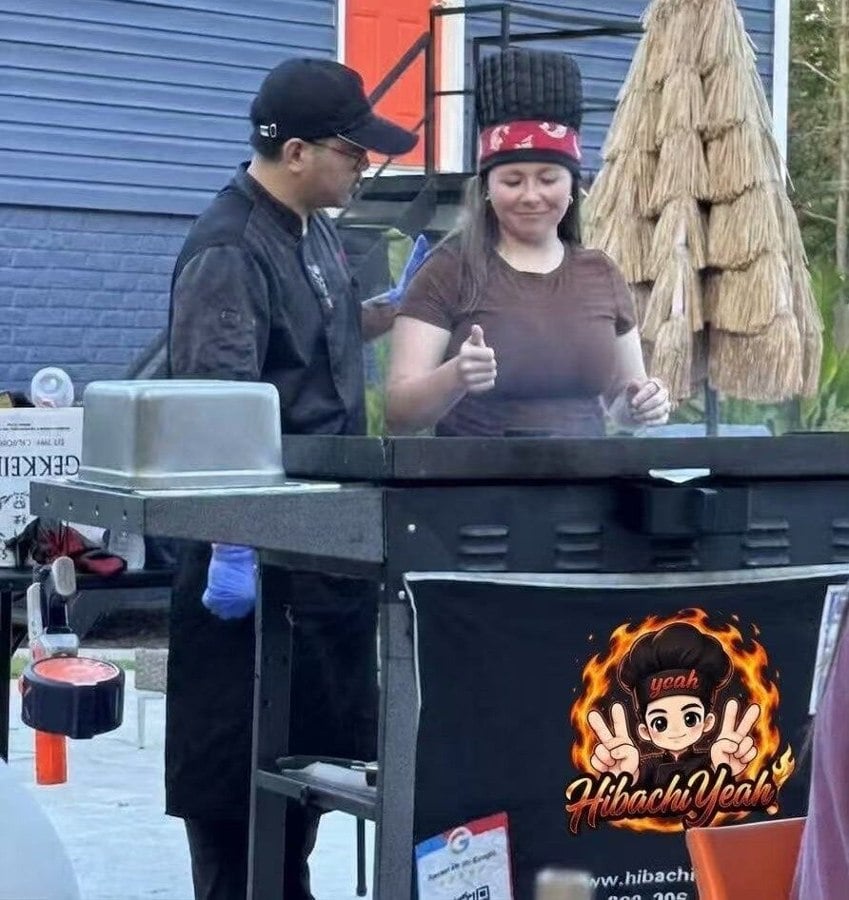
An outdoor hibachi dinner looks effortless in a short video. There is a chef at the grill, a few tricks with the spatulas, and everyone is laughing. The part that decides whether the evening actually works happens earlier. Someone needs to figure out where the equipment will go, how guests will be seated, whether there is safe access for setup, and what happens if the weather changes an hour before dinner.
The menu is usually the first thing a host plans. That is sensible, but the location deserves equal attention. A flat outdoor surface matters more than a photogenic corner of the patio. Walk the route from the driveway to the cooking position. Furniture, narrow gates, loose gravel and steps all make transporting equipment harder. If the event is at a rental property, check the host's rules before committing. An attractive pool deck does not necessarily allow open-flame cooking.
Seating also changes the pace of a hibachi event. Guests need a clear view of the cooking, without being placed so close that heat or movement makes anyone uncomfortable. A long straight row may be practical for one group; two smaller arrangements can work better for mixed ages. Leave space for the chef to move and for people to leave their seats. At a party with children, explain the cooking boundary before the show starts. The performance is fun, but the cooking area is still a working kitchen.
Ask for a written site plan rather than relying on a general promise that a chef can cook 'anywhere'. For a Tampa backyard, note the distance to the nearest building, any overhead covering, the proposed cooking surface, and the weather fallback. A covered lanai may be convenient for guests but unsuitable for a grill that needs particular ventilation and clearances. The event operator should confirm its equipment requirements and whether a given location is acceptable. Hosts should never make that safety decision from a social-media photograph.
Numbers are worth discussing before the invitations go out. Count children separately, identify any guests who will not eat the standard menu, and find out how late arrivals are handled. Some events work better with a defined seating time than a rolling dinner because cooking is a shared performance. Ask what the provider brings, which tables or utensils the host supplies, and when the cooking area will be cleaned and released back to the household. That avoids discovering after the meal that a rubbish bin, water access or additional table was assumed but never arranged.
Food preferences should be discussed before the day, not shouted across the table once the grill is hot. For a private hibachi chef Tampa booking, dietary restrictions need a direct discussion before the grill and ingredients are packed. A vegetarian guest may need a genuinely separate preparation plan, while a person with a seafood allergy may require more than a different plate. Ask the provider what separation is possible with its actual tools and workflow. Do not assume a booking form checkbox automatically solves cross-contact concerns. If an allergy is severe, request a direct conversation with the operator and decide whether the format is appropriate.
The simplest event schedule builds in some slack. If dinner is meant to begin at seven, guests should not still be arriving at seven fifteen. The chef may need an access window for setup, and a performance-driven meal has its own rhythm. A birthday cake, speeches or photographs can interrupt service if nobody has planned their place in the evening. A useful host's plan is one page: arrival, setup, seating, cooking, dessert and cleanup. It need not feel formal once the party begins.
When comparing proposals, look beyond the per-person headline. The booking terms should explain travel boundaries, minimum guest numbers, deposits, cancellations and arrangements for heavy rain. None of these need to make the gathering formal; they simply decide who changes the plan if circumstances change. A short message containing the date, location, guest count, access photos and food restrictions gives the chef much more to work with than 'How much for a party?'.
https://www.hibachiyeah.com