Security Patrol Robot Dog Trials in Real Facilities
By weiyi weiyi · 2026-11-02
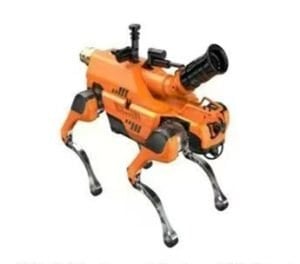
A robot that walks an empty corridor flawlessly has not proved it can patrol a busy site. Map the intended route before comparing models. Record ramps, thresholds, stairs, floor surfaces, narrow passages and places where a machine may lose traction. Identify what the patrol is supposed to observe, such as an open gate or a visible equipment anomaly. The robot's sensor package must be appropriate to that observation. A camera may show that a door is open; it cannot establish every security or safety condition behind the door.
Plan the response to a blocked corridor
Autonomy has boundaries. A robot may follow a planned path reliably in a controlled test but stop when a trolley blocks a corridor. Define what it should do when navigation confidence falls: wait, return, request human assistance or enter a safe state. Recovery procedures are as important as success-rate figures. An unattended machine that becomes stuck in a fire exit can create a new hazard while attempting to solve an old one.
Battery duration is frequently misunderstood. Running time depends on payload, terrain, temperature and activity. A quoted endurance value may not include repeated obstacle negotiation, intensive sensor use or time spent transmitting data. Plan recharging and safe docking as part of the patrol schedule. If the unit is meant to operate around the clock, account for charging windows and periods when a human team must cover the route.
An autonomous patrol is only as dependable as its exception handling. Test the route when a corridor contains an unexpected pallet, an open service door or a wet floor; these conditions are common in active facilities. Record where localisation fails and how the device requests human assistance.
A security patrol robot dog also needs a clear privacy policy for any camera or audio data it collects.
Battery charging, emergency stops and manual recovery should be documented before routine deployment. A demonstration in an empty showroom provides only a small part of the operational picture.
Robotic patrols should also be tested against changing site conditions. A route that works on a quiet weekend may become crowded with forklifts, carts and visitors on weekdays. Observe these conditions in the pilot and define the safe behaviour near people and moving equipment. Do not rely on an impressive obstacle-avoidance clip as evidence that every situation has been covered. The site remains responsible for a safe operational plan and human oversight.
Security and privacy questions need early answers. Camera and telemetry systems may collect images of workers and visitors. Organisations should review lawful basis, signage, access control, retention and security of recorded material under applicable rules. Remote control and software updates also create cybersecurity considerations. The system should log important events and preserve evidence of what an alert actually means, rather than generating a stream of unexplained notifications.
A patrol's value can be measured by the number of useful observations it produces, not the kilometres it walks. A field trial of a security patrol robot dog should count actionable alerts and false positives, not just the distance covered. If the system reports a hundred low-confidence events that security staff must manually dismiss, it may increase workload. Define which alerts justify attention and review false positives alongside missed events. Video quality, sensor placement and environmental lighting all influence that balance. The performance measure should reflect the site's security goals.
Pilot the robot during ordinary working conditions and invite the site's safety and operations teams to observe. Record interventions, navigation failures, false alerts and the time needed for maintenance. Then decide which tasks genuinely benefit from robotic mobility. A useful deployment may be narrow and repetitive. That is not a disappointment; a defined role is more valuable than broad promises about autonomous security.
Human handover needs rehearsal. When the robot stops unexpectedly or identifies something worth checking, staff should know where it is, how to approach safely and how to retrieve relevant data. If the network fails, the machine needs a tested safe response. Robot deployment is strongest when it supports a clear human procedure instead of assuming autonomy has removed the need for supervision.