Small Engine Parts Supplier and Correct Fitment
By weiyi weiyi · 2026-11-02
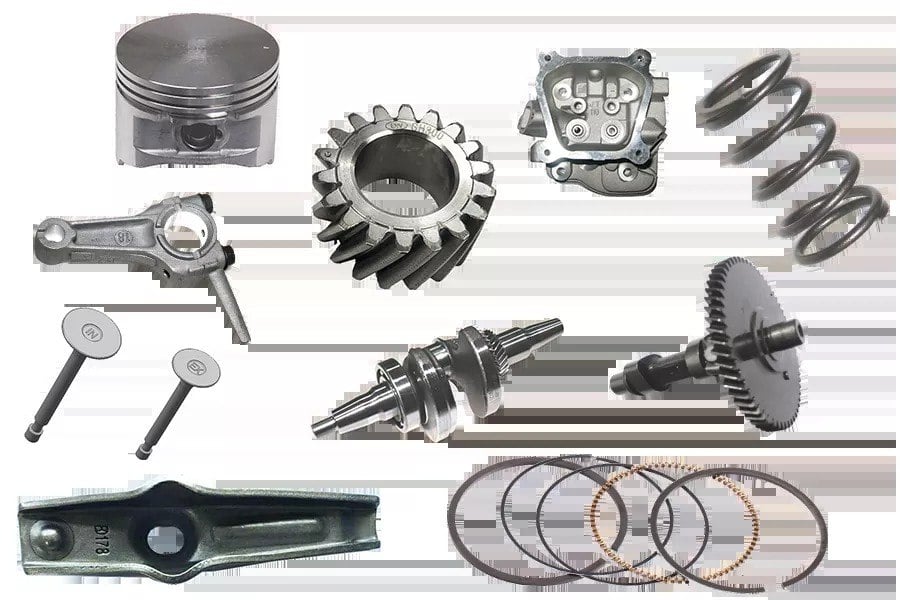
A replacement part is only as reliable as the engine identification used to order it. Record the engine model, specification code, serial or type information and any part number visible on the failed assembly. Engines that look nearly identical may have different mounting patterns, linkages or electrical connections. A product photograph should confirm the ordering decision, not replace the manufacturer's parts diagram. If the machine is a generator, pump or mower, its equipment manufacturer may also have specified a particular configuration.
A sensible diagnosis separates fuel, air, ignition and mechanical condition. Fuel that has been stored for a long period can create starting problems; a blocked filter or damaged line can restrict flow. Intake obstructions affect breathing. Ignition faults need appropriate inspection by a competent person following safe procedures, since high voltage and moving parts create hazards. Compression or valve problems may produce symptoms that look like carburettor trouble. The point is not to replace everything until the engine starts; it is to use the symptom pattern to choose the next test.
A workshop should also distinguish between a running fault and a safety defect. Fuel leakage, abnormal exhaust behaviour or damaged rotating components call for immediate attention, not an experimental operating test. When a repair is outside the technician's competence, seek qualified service. The value of troubleshooting is in reducing uncertainty safely, not proving that every machine can be made to run with the parts already on the shelf.
Part numbers are easy to misread on older engines, especially when one family has several revisions. Record the engine code, production variant and dimensions of the original component before ordering. Inspect related wear surfaces: a new starter or carburettor may not solve a fault caused by damaged wiring, contamination or poor compression. Repair shops benefit from recording why the first part failed and keeping photographs of the removed item. That history makes a later warranty conversation far more useful than a general complaint that a replacement did not fit.
Keep a record of what happened before the failure. Did the engine gradually lose power under load, stop suddenly, hunt at idle or fail only after warming up? Each observation helps narrow the search. A generator that produces no electrical output may have an alternator-side problem even if the engine runs normally. Conversely, a fuel-starved engine cannot be repaired by swapping an electrical output component. Diagnosing the complete machine matters more than matching a vague online description.
Part numbers are not enough
A common service trap is to accept a replacement that fits the bolt holes without checking operating compatibility. Look beyond appearance to shaft rotation, governing linkage, electrical ratings and the original equipment's safety functions. Keep removed fasteners and gaskets organised during repair; mixing similar components can create leaks or misalignment. The engine's service manual should control torque and adjustment procedures. Online product categories make discovery easier, but they do not replace the machine's identification and repair instructions.
Once a part is confirmed, check the physical interfaces. Compare shaft dimensions, connector types, gasket positions, linkage movement and service specifications. A replacement carburettor may bolt on but have the wrong control linkage. A coil can look correct while using a different connector. Never defeat a governor or safety interlock to make an incompatible replacement function. If fitment remains uncertain, supply the seller with the actual identification plate and a clear photograph of the assembly.
Before contacting a small engine parts supplier, photograph the identification plate and the control linkage so a near-match is not mistaken for a correct part.
One practical way to prevent incorrect orders is to keep a service note attached to each machine. Record the engine identifier, previous replacement parts and the symptoms that led to those repairs. If a component was replaced recently and the identical symptom returns, investigate whether the underlying cause was missed. Replacing the same part again may only restart the cycle. Photographs of connectors, levers and mounting points can be stored with the note for future reference.