The Safety Details Hidden in a Wooden Learning Tower
By weiyi weiyi · 2026-11-05
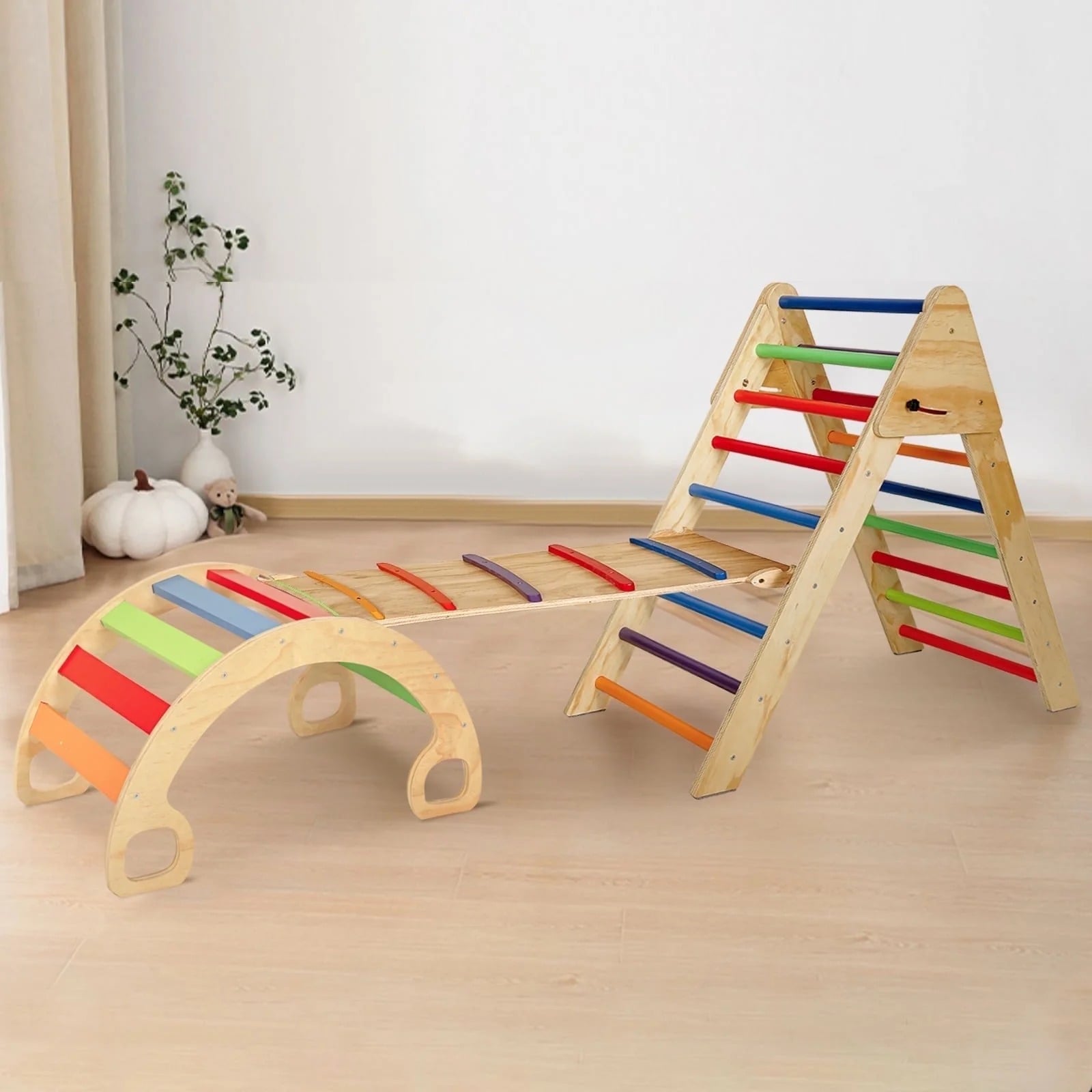
Overview
A learning tower can look beautifully simple: four legs, a platform and a set of rails. Yet the everyday risks are not decorative. A child climbs from the side, stands on one edge to reach the sink, or drags the unit across a kitchen floor with an uneven joint. Those behaviours should shape the design before a manufacturer talks about colour options. A buyer ordering children's furniture for retail needs to test a real sample with the intended age and use case in mind, while keeping local safety standards and product responsibilities in view.
Practical considerations
For a montessori furniture manufacturer, stability should be a design conversation rather than a photograph of a weighted base. Look at footprint, centre of gravity, opening dimensions and whether the platform height can be adjusted without creating an unsecured gap. The relationship between rail spacing and potential head, neck or limb entrapment also requires careful review against applicable standards. Rounded corners are useful, but a rounded edge does not compensate for an unstable structure.
A sample should be assembled and stressed as it will be by an actual household, not only displayed on a clean factory floor. For products that can be tipped or climbed, instructions must not be treated as the main safety control. The structure should be reasonably resistant to foreseeable misuse within the intended age group, and hazard warnings should describe real limits. Retailers should agree in advance how a production nonconformity will be traced back to a shipment and communicated to customers if necessary.
Material choice affects both appearance and durability. Plywood can offer dimensional stability, while solid timber has different movement patterns with humidity. Each construction requires sensible joint design. Ask about wood species, panel grades, adhesive, finish chemistry and the handling of splinters at drilled holes. Coatings must be evaluated for the target market's requirements; a vague description such as “eco-friendly paint” is not a substitute for test documentation. Buyers should also inspect the undersides of platforms and hidden cut edges, where finishing quality is often less visible.
A custom wooden kids furniture order usually goes through several sample revisions. Keep those revisions controlled. A change to rail thickness can alter a gap; a different foot pad can affect stability; a cheaper screw may loosen after repeated assembly. Put critical dimensions and approved materials on a signed drawing, then preserve the final sample as a reference for production. Photos alone are poor acceptance criteria for wobble, joint strength and finish feel. If the product ships flat-packed, include repeated assembly tests because consumers may tighten fasteners unevenly.
Wonfulity produces custom wooden products and displays children's furniture and learning towers within its range. A sensible private-label project starts with the target market, the relevant safety framework, a dimensioned drawing and a small pilot batch. Inspect samples after assembly and again after transport testing. The strongest product pitch is not a claim that the tower is perfect for every family; it is evidence that the supplier understands how children actually use it and how retailers will support it after delivery.
Packaging is part of product quality, particularly for furniture sold through ecommerce. Long wooden panels can rub against each other during transport and arrive with chipped corners even when they left the factory intact. Ask the packer to protect exposed edges and keep hardware in labelled bags. Clear instructions should show the correct order of assembly, the tools required and maintenance checks after use. Customers should not have to guess which bolt belongs in a safety-related joint. Batch identifiers also make after-sales troubleshooting far easier.